As a smart home expert with years of hands-on experience optimizing homes for efficiency, I've seen firsthand how the right devices can slash energy bills and simplify daily life. A centralized smart home setup gives you precise control over lighting, heating, and more, using apps and sensors to minimize waste.
One of the standout advantages is advanced energy-saving tech. In my installations, these systems have reduced consumption by up to 50%. Beyond savings, they promote sustainable living. For complementary tools, explore apps like those in our guide to 6 Smart Apps for Energy Efficiency.
Here are the best devices I've tested and recommended for real-world savings:
"Don't touch the thermostat!" was a common refrain in my childhood home. Now, as an independent homeowner, I've embraced smart thermostats for effortless climate control.
The Nest Learning Thermostat stands out among competitors. See our detailed guide: How to Install and Use the Nest Thermostat for Automated Energy Savings. In one client's home, it halved power use within a week by learning habits—like preferring 53°F on Wednesday evenings or 78°F Sunday nights.
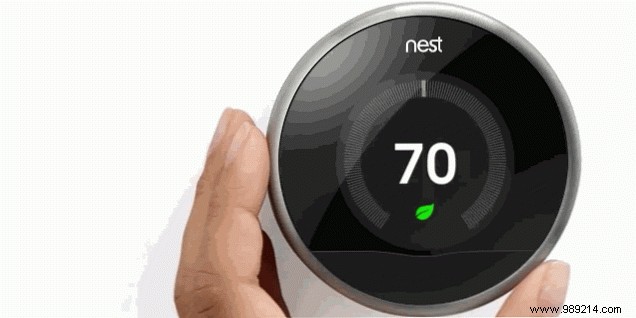
Feed it data, and Nest auto-adjusts heating and AC. Modify inputs to refine schedules. It integrates via the Works with Nest program.
Cost: $200+
Alternatives: Ecobee Smarter Wi-Fi Thermostat, Allure EverSense WiFi Smart Thermostat, LockState WiFi 3-Stage Programmable Thermostat
No single device dominates; combine them for optimal results. Check 5 Smart Hacks to Save Electricity in Your Smart Home for tips on targeting high-consumption areas.
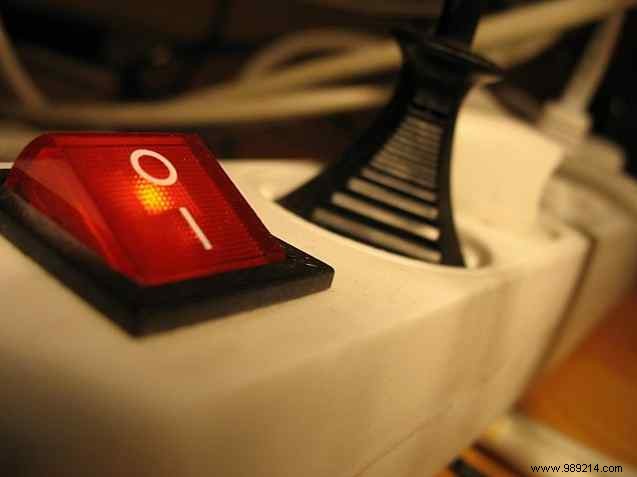
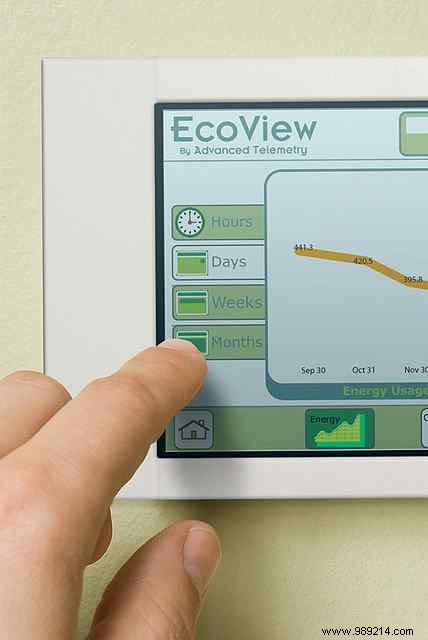
Monitor real-time usage against local energy rates and automate on/off times. Key options:
Choose hubs compatible with third-party apps for seamless integration.
Upgrade to LED bulbs compatible with dimmers—they're efficient, versatile, and long-lasting.
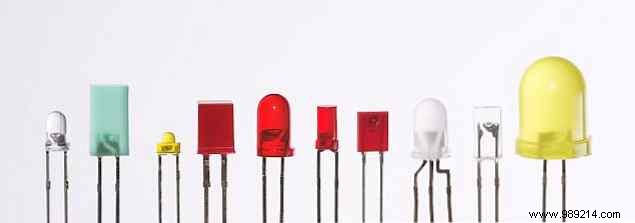
A simple change with big long-term savings.
Strategic solar panels or turbines reduce grid reliance. Initial costs pay off over time.
Modern hubs unify devices via WiFi, ZigBee, Z-Wave, and more, replacing scattered controllers.
Homey, a voice-activated spherical hub from Athom, controls everything hands-free. Released around summer 2015.
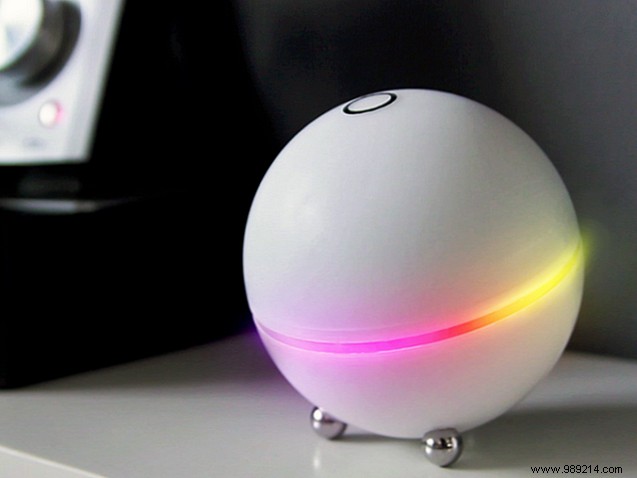
Cost: $299
Revolv (US-only, now Nest-integrated) handles lights, locks, and geofencing. Cost: Around $300.
Wink Hub supports vast devices like lights, sensors, and irrigation. See Wink Connects and Simplifies Your Smart Home. Cost: Starting at $100.
Extend smarts outdoors with irrigation control.
GreenIQ adjusts schedules via weather data, saving up to 50% on water. Multi-device compatible.
Cost: $200+
Alternatives: Rachio Iro 8-Zone Smart Irrigation Controller, IrrigationCaddy IC-W1.
This curated list jumpstarts your smart home. Prioritize high-ROI devices and pair with eco-apps from 6 Green Smart Apps for Efficiency. Assess costs, install strategically, and enjoy the rewards.
What's your top smart device? Share in the comments!
