Summer heat waves are intensifying, tempting us to blast the air conditioning. But with rising energy costs, there are smarter, proven alternatives to stay cool and save on bills.
These 12 expert-backed strategies, drawn from energy efficiency principles and real-world testing, help lower indoor temperatures effectively without AC.

Up to 30% of unwanted heat enters through sun-exposed windows, turning your home into a greenhouse. Closing shutters, blinds, or curtains during peak heat blocks this influx.
Studies show this simple step can cut your electricity bill by 7% and reduce indoor temperatures by up to 6°C.
Closing every door traps heat and blocks airflow. Keep strategic doors open to allow cool air to circulate, especially at night when temperatures drop.
Create natural drafts by opening windows on opposite sides of the house for optimal ventilation.
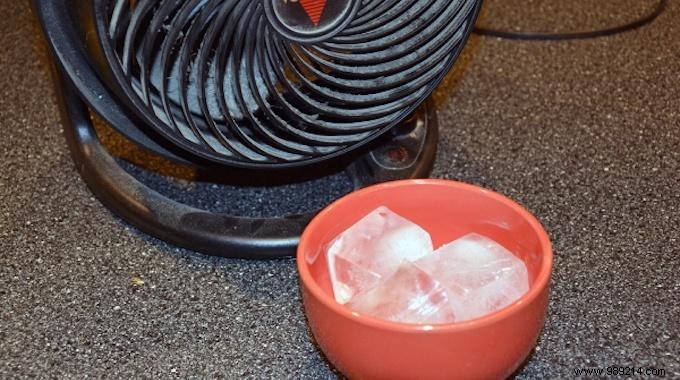
For an instant sea-breeze effect, place a bowl of ice cubes in front of your fan. Elevate the bowl slightly to direct chilled air outward—works best with larger fans.
This technique disperses cool mist effectively. Swap ice cubes for frozen packs if needed. Users report it feels like magic on hot days.
Switch to breathable fabrics seasonally. Ditch heavy flannel and fleece for summer; opt for lightweight cotton sheets that wick away moisture and heat.
Buckwheat hull pillows, with their natural airy structure, stay cooler than foam alternatives, promoting better sleep.
Most ceiling fans have reversible motors. Set to counterclockwise (summer mode) to push air upward, creating a wind-chill effect on your skin.
This enhances perceived cooling without extra energy use.
While cooling your home matters, regulating personal body heat is equally vital—our ancestors mastered this without modern tech.
Sip chilled drinks, apply cold damp cloths to pulse points like wrists and neck, and wear light-colored clothing. Skip close cuddling at night to minimize shared body heat.
Leverage built-in ventilation: Run bathroom VMC after showers to expel humid air, and kitchen extractor hoods post-cooking to remove heat buildup.
These systems efficiently refresh indoor air without added costs.
Invest in cooling pillows with phase-change foam that absorbs body heat via water's thermodynamics. For feet, freeze a water bottle and place it at bed's end.
Mist sheets lightly with a spray bottle for evaporative cooling—surprisingly effective and time-tested.
Nights often bring relief—open windows to capture cooler air, positioning fans to draw it indoors.
Close everything by morning to trap the chill against daytime heat.
Incandescent bulbs waste 90% of energy as heat. Switch to CFLs or LEDs for instant cooling benefits plus lower bills.
Avoid indoor cooking: Ovens and stoves add significant heat. Grill outdoors on your balcony or in the garden to keep kitchens cool.
For lasting results, apply plastic overglazing film to windows for year-round insulation. Add awnings or shade trees to south-facing exposures.
These affordable upgrades block solar gain effectively. For details on overglazing film, check our dedicated article.
Implement these tips to stay comfortable, cut energy use, and enjoy summer sustainably.
