Indoor air can be surprisingly more polluted than outdoor air, thanks to household cleaners, paints, furniture off-gassing, and more. The good news? Certain houseplants act as natural air purifiers, filtering out toxins and releasing fresh oxygen without any extra effort from you.
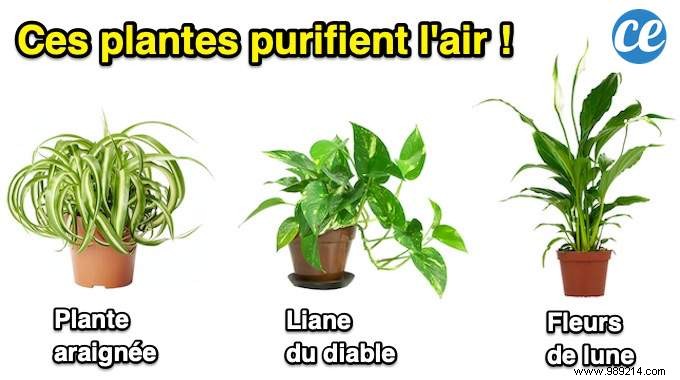
Here are 9 top houseplants proven to clean the air in your home. These selections draw from established research on indoor air quality.
For best results, place at least 2 of these plants per 30 square meters, in pots around 30 cm wide.
Pro tip: Avoid overwatering to prevent mold growth in the soil.
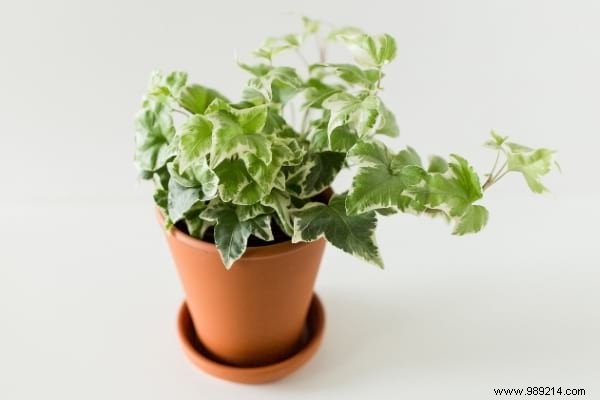
This vigorous climber thrives in small spaces and low-light rooms with minimal direct sun. It's incredibly low-maintenance.
Key benefit: Its dense foliage excels at absorbing formaldehyde—a common indoor pollutant from resins, wood glues, cleaners, smoke, and carpet dyes—according to research studies.

One of the few blooming air purifiers, this plant flowers year-round and tolerates low light with moderate watering. Note: It's toxic to pets, though they typically avoid it.
Key benefit: Spathiphyllum removes benzene (a carcinogen in paints and polishes) and acetone (from electronics and adhesives), tackling volatile organic compounds (VOCs) effectively.
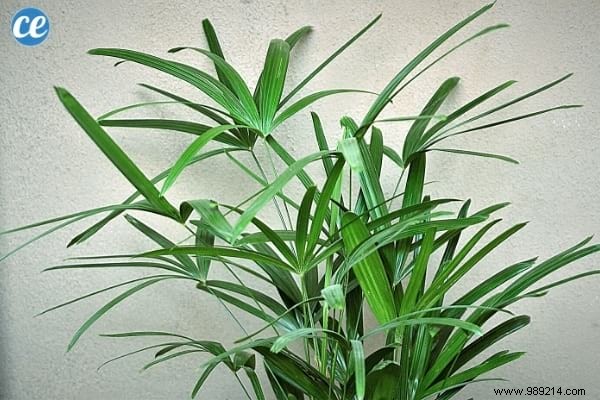
Easy to grow, this dwarf palm develops charming fan-shaped leaves over time, adding elegance to any room.
Key benefit: It targets ammonia, a respiratory irritant found in cleaners, textiles, and dyes.
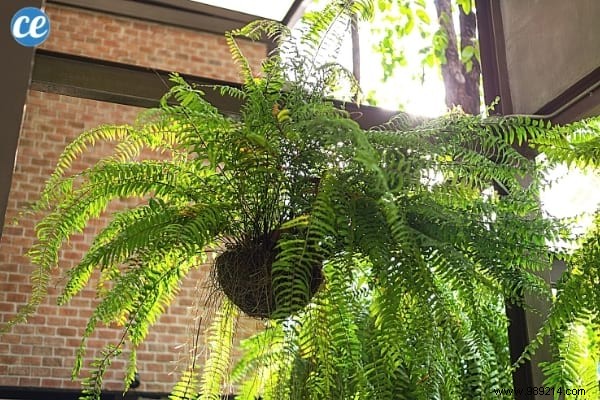
With its feathery fronds, this Victorian favorite shines in hanging baskets. It's a top performer for air cleaning but prefers high humidity.
Key benefit: Removes formaldehyde from glues in furniture; studies also indicate it filters toxic metals like mercury and arsenic.
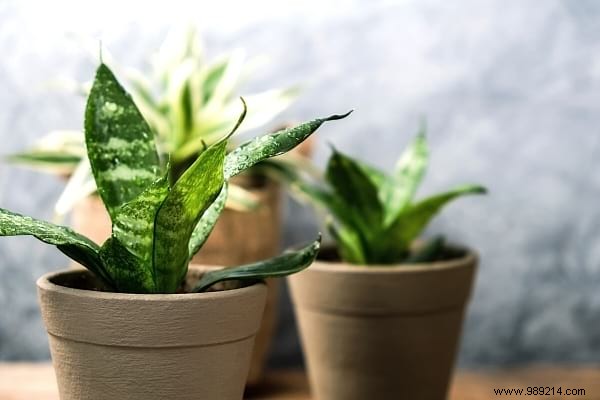
Tough and low-light tolerant, its upright leaves release oxygen at night—ideal for bedrooms.
Key benefit: Reduces CO2, formaldehyde, and benzene for fresher sleep air.
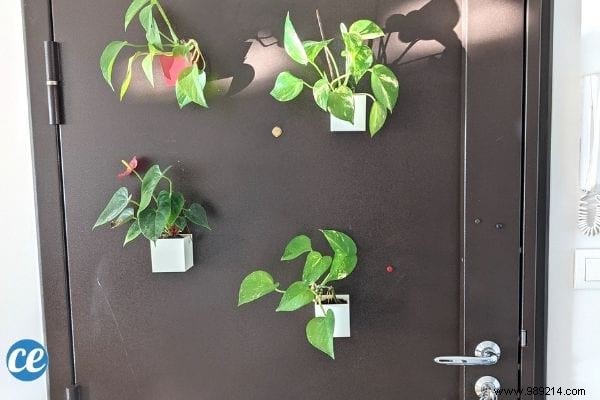
This fast grower climbs stakes or trellises, with striking dark green leaves. Easy to propagate from cuttings.
Key benefit: Filters formaldehyde, carbon monoxide, and benzene. Great near garages; I've used magnetic pots on entry doors for exhaust protection.
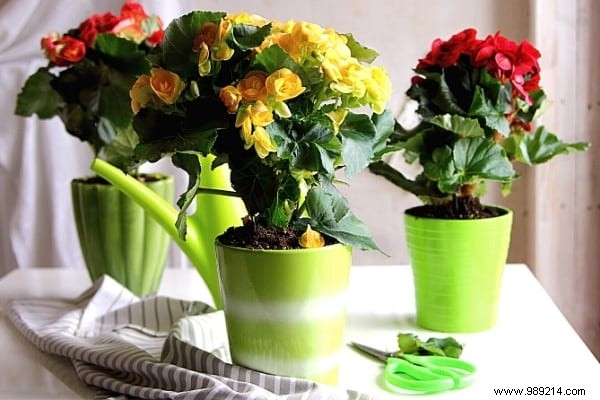
In bright spots, it produces summer blooms in white, pink, or red on thick leaves.
Key benefit: Effectively removes benzene and toluene from waxes and adhesives.
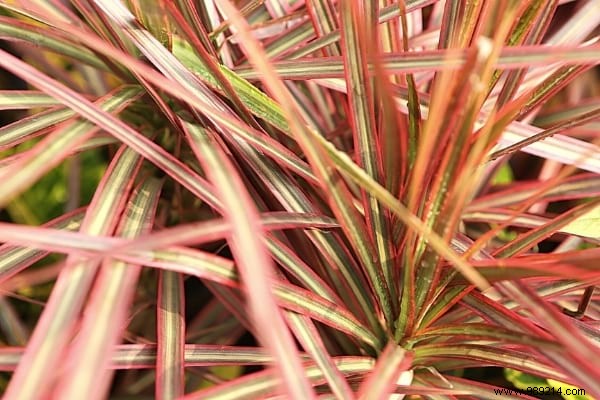
Compact yet tall-growing, it suits high-ceiling rooms with moderate light and weekly water. Red leaf edges add vibrancy.
Key benefit: Absorbs xylene, trichloroethylene, and formaldehyde from lacquers and sealants.
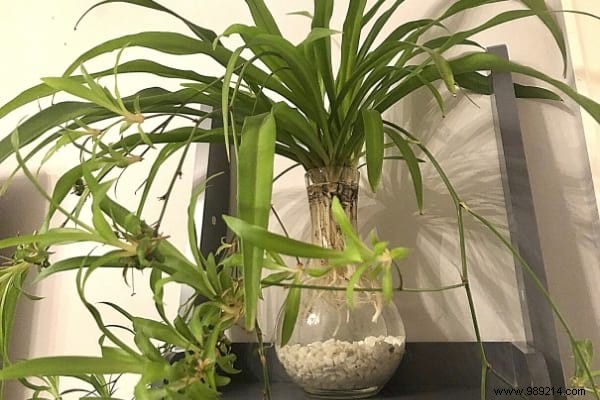
Beginner-friendly chlorophytum with 'pups' dangling from long leaves—perfect for shelves or hangers near windows.
Key benefit: Clears formaldehyde and benzene from the air.