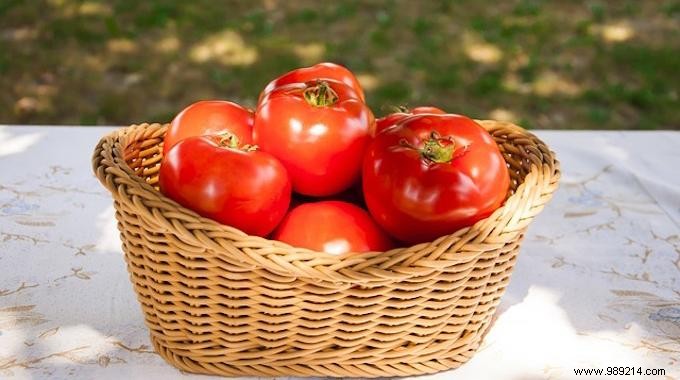
Dreaming of bumper crops of large, juicy, flavorful tomatoes? Whether you're a novice or seasoned gardener, these time-tested tips—drawn from decades of hands-on experience—will supercharge your yields and elevate taste.
Seed packets and labels offer basic planting advice, but they overlook the proven care techniques that expert growers rely on for exceptional results.

Many gardeners struggle with underwhelming tomato harvests due to suboptimal practices. Fortunately, these 13 expert strategies will deliver larger, more abundant, and tastier fruits quickly.
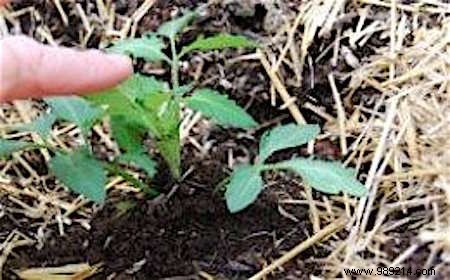
Plant tomato seedlings deeply, burying the stem up to the first leaves. This maximizes soil contact, spurring robust root development for better water and nutrient uptake.
Stronger roots anchor plants against wind and storms while ensuring consistent moisture access, fortifying overall plant health.
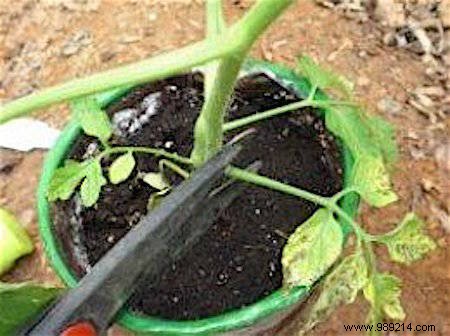
Once established, trim leaves from the bottom half of plants around 60cm tall. These shaded leaves contribute little to photosynthesis and risk splashing soil-borne diseases upward.
Use clean pruners to avoid stem damage. This redirects energy upward for faster growth, higher yields, and healthier plants.
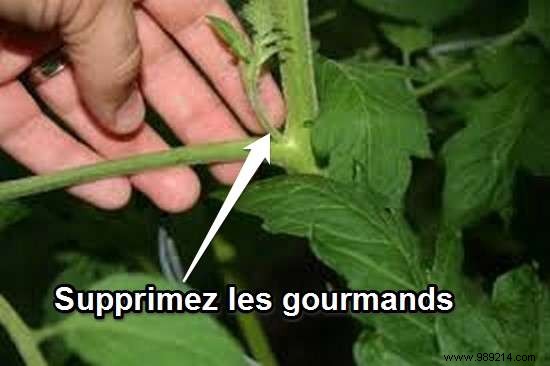
Suckers—those shoots between the main stem and branches—steal energy without producing fruit. Pinch them off early on plants over 80cm tall to maximize sunlight and airflow.
This yields sweeter, healthier tomatoes. Bonus: Root suckers as cuttings to propagate new plants organically.
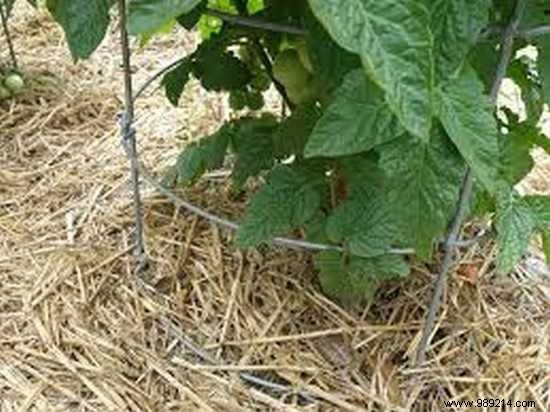
Apply mulch around bases to conserve water, warm soil, foster roots, and block soil pathogens from reaching foliage.
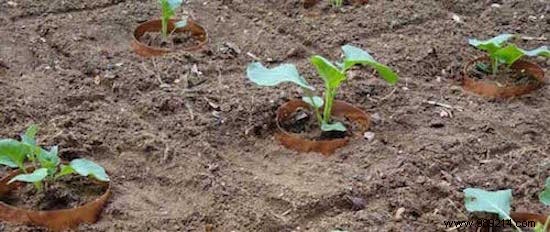
Copper strips or tape around plants trigger a reaction that deters slugs and snails without chemicals. Ideal for pots too.
Related: Tired of snails ruining your flowers? Try this repellent they can't stand!
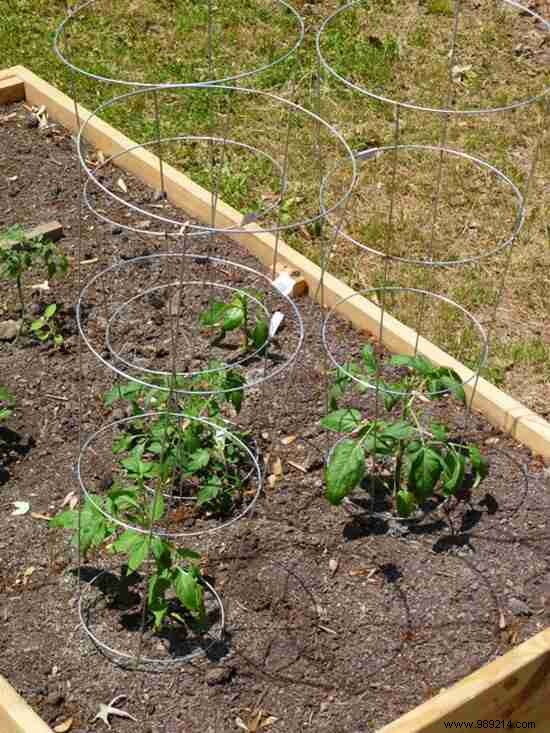
Stakes or cages keep plants upright, reducing stem stress and improving nutrient flow for abundant fruit. They also shield from wind.
If shopping, we recommend this reliable option.
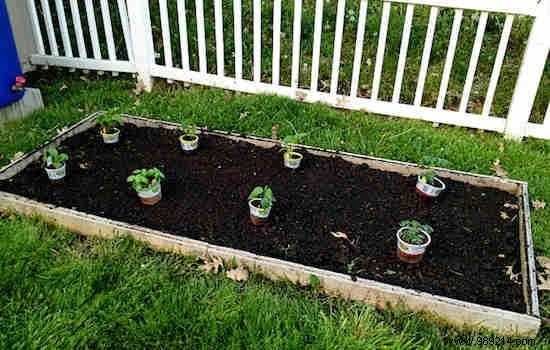
Space transplants 60-90cm apart for optimal sun exposure, airflow, and photosynthesis—key to vigorous plants and plump tomatoes.
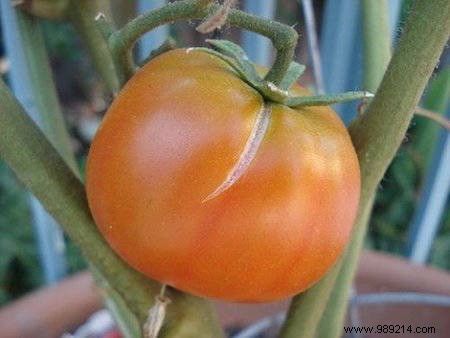
Hot weather splitting indicates irregular watering. See tip #10 for proper techniques to avoid rot.
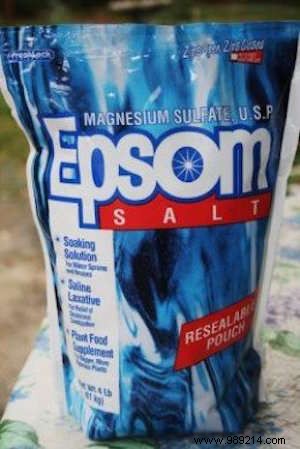
Generations of gardeners use Epsom salt for magnesium and sulfate to strengthen stems, green leaves, and extend seasons.
At planting: Mix 1 tablespoon into each hole.
As drench: 1 tablespoon per 3 liters for young plants; then 1 teaspoon per 3 liters every 2-3 weeks.
Cost-effective alternative to specialty fertilizers. Try this affordable option.
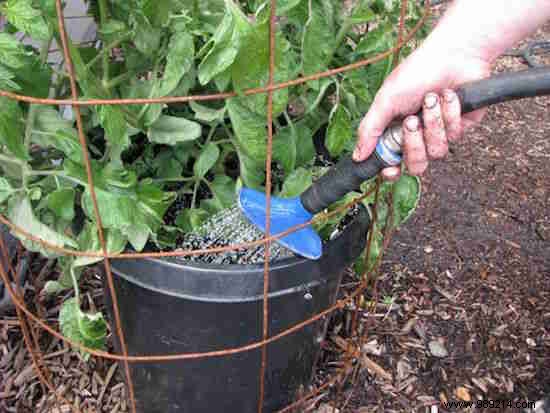
Water at soil level to avoid splashing diseases. Soak slowly for deep penetration—at least 6 inches moist.
Monitor and adjust; consistency prevents stress and issues like cracking.
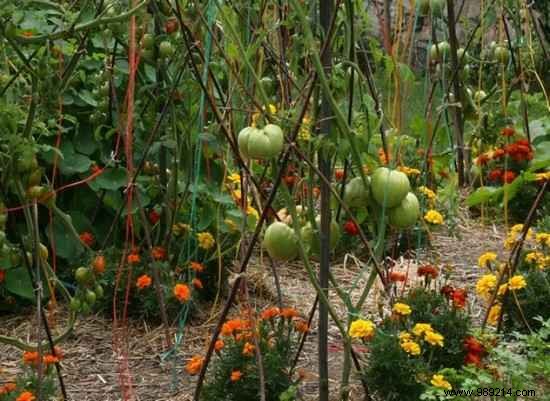
Interplant marigolds to repel root-damaging nematodes naturally, enhancing nutrient flow and plant vigor with their scent.
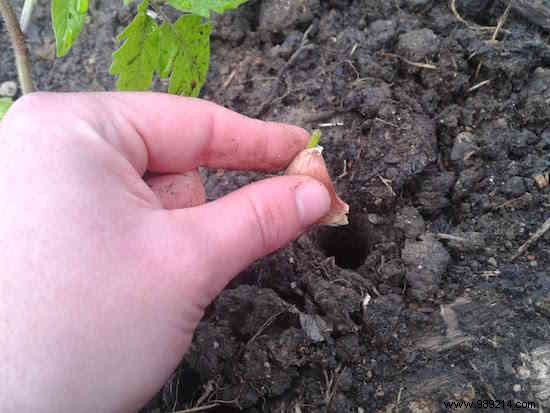
Plant garlic nearby or drench soil with crushed cloves in 3 liters water to deter fungi and amplify tomato sweetness.
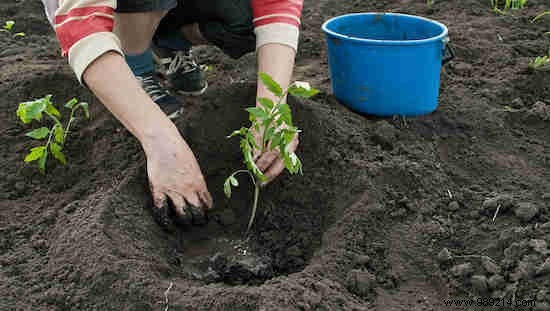
Change locations every 2-3 years max to maintain soil fertility and prevent disease buildup for sustained high yields.
