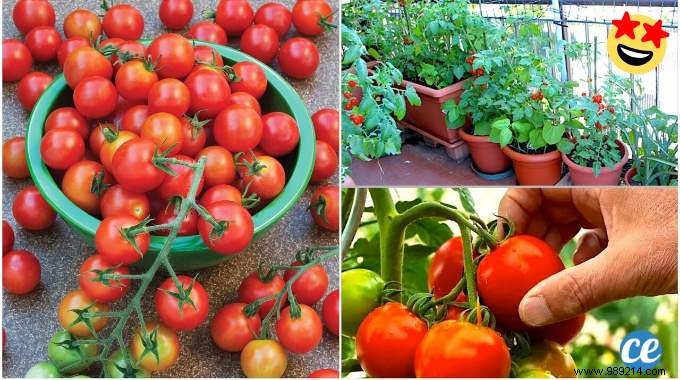
Tomatoes burst with flavor, making them ideal for summer salads. Nothing beats the taste of a freshly picked, sun-ripened tomato. Delicious!
Want to grow your own tomatoes?
You don't need a large vegetable garden.
These plants thrive on balconies in pots or planters, as countless urban gardeners have discovered through years of success.
Here are 23 expert tips for growing thriving tomatoes on your balcony. Watch:
Contents
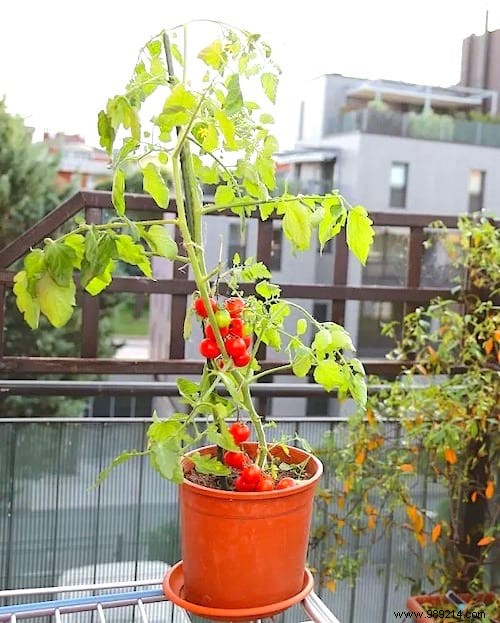
Plant tomatoes only after all frost risk has passed.
In most regions, wait until after mid-May; in southern France or milder climates, late April or early May works.
You can plant through June or early July, but later may not allow fruits to ripen before cooler weather.
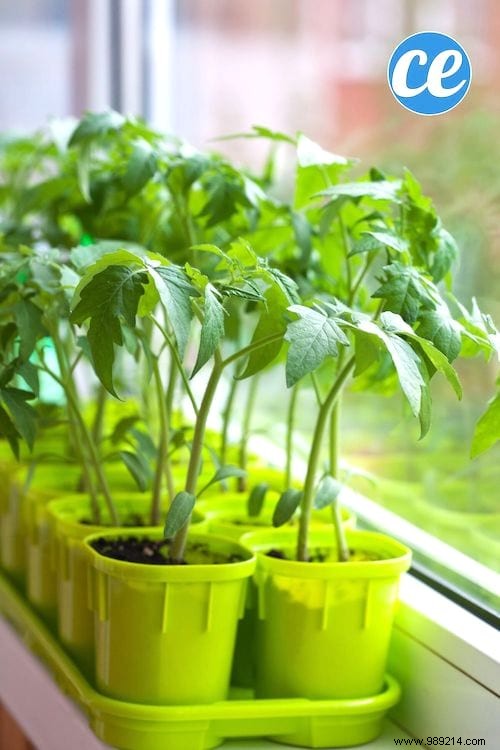
Tomato plants benefit from deep planting, unlike many others. The deeper the roots, the stronger the plant. Bury up to the first set of leaves.
For pots or limited space, select determinate varieties. These stay compact (around 1 meter) and take up less room. Many traditional and hybrid options exist.
Steer clear of indeterminate types in containers or tight spaces. They grow tall (up to 2 meters), needing sturdy stakes and regular pruning.
Determinate plants ideally need 60 cm spacing. Crowding reduces yields and spreads disease, but 45 cm minimum is safe.
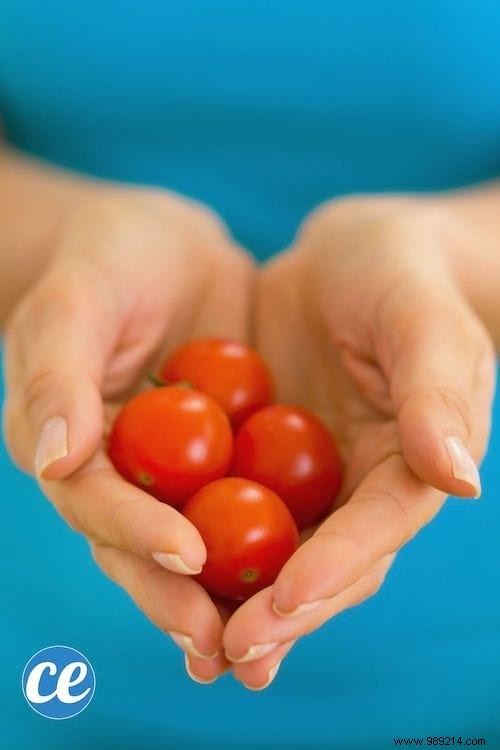
For tiny spaces, opt for cherry or cocktail tomatoes. Their compact size allows closer planting, but demands extra care: more water, fertilizer, and pruning for light access.
Related: The 20 Easiest Vegetables to Grow in Pots.
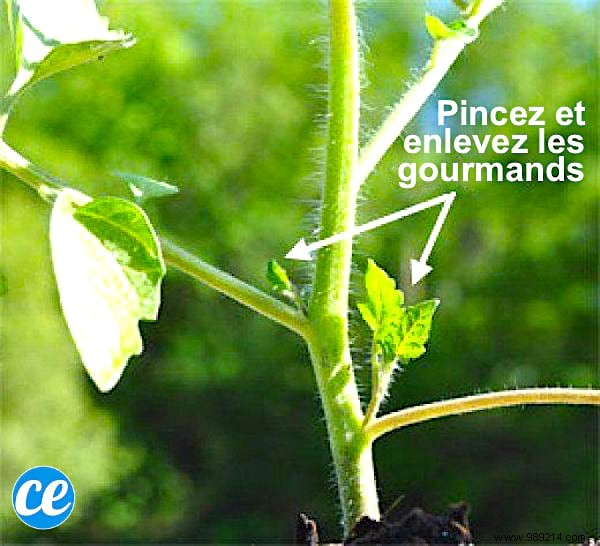
Pruning isn't always needed, but essential in tight spots. Remove tangled stems blocking light or air. Also pinch suckers (lateral shoots in leaf axils) from the bottom 15-20 cm.
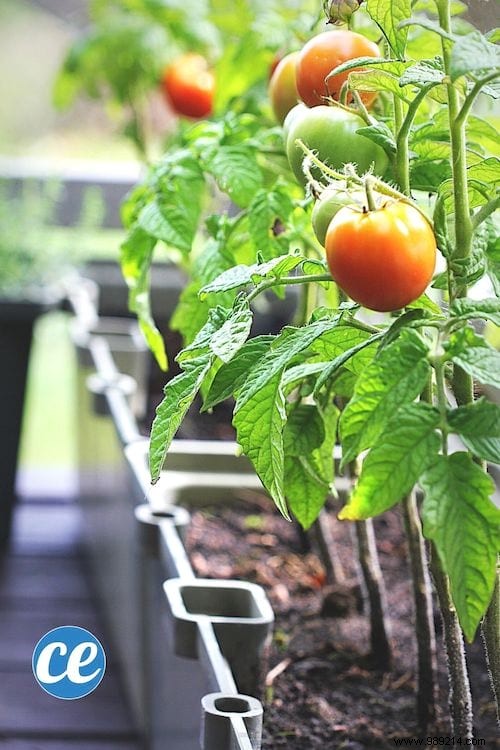
For determinate plants, choose pots at least 20 liters and 30 cm deep. Indeterminate types need even bigger. Grow bags or bins work too.
Deep roots require pots or planters at least 30 cm deep – 40 cm is better.
Cages take too much balcony space. Use sturdy stakes installed at planting, driven 30 cm deep to avoid root damage. Tie to railings if possible.
Upside-down methods are novel but inefficient for small spaces. Hanging pots suit small-fruited varieties like cherries.
Maximum sun yields the best, tastiest tomatoes – they need light and heat. Place in your balcony's sunniest area.
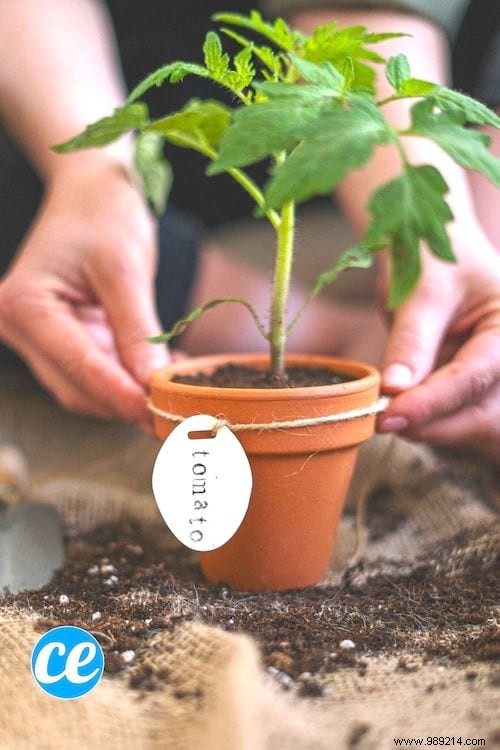
Tomatoes are heavy feeders. Choose nutrient-rich vegetable potting mix.
Related: 8 Ingredients to Mix into Soil for Superior Tomatoes.
Ideal pH is 6.0-6.8 (slightly acidic to neutral). Use test kits for accuracy.
Opt for organic compost like vermicompost over chemicals. Add worms for extra soil health.
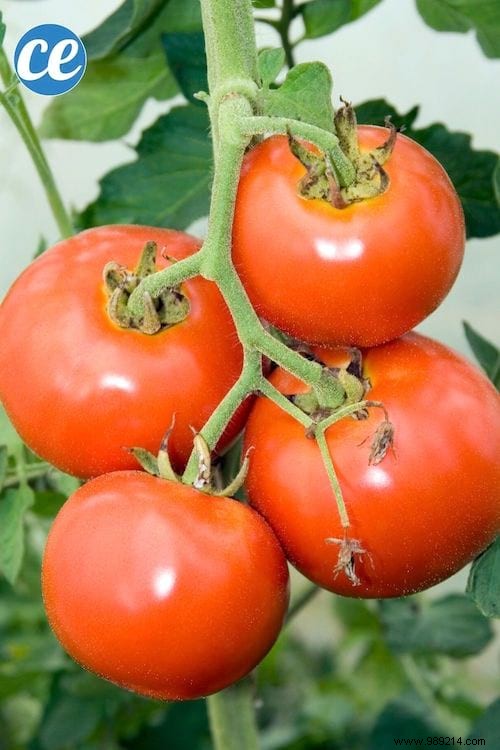
Keep soil consistently moist but not waterlogged. Sunny balconies may need daily watering, best early morning to minimize evaporation and fungal risk.
Water at the base to prevent fungal issues like mildew.
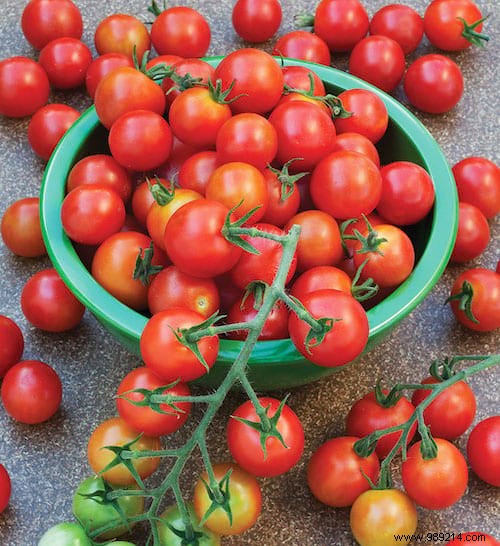
Apply 100% natural tomato fertilizer at half strength but twice as often for steady root and fruit growth.
Crush 2-3 shells into planting holes for calcium. It boosts nutrient uptake, heat tolerance, and prevents blossom-end rot (black bottoms).
Related: 10 Genius Uses for Eggshells.
Sprinkle bone meal (calcium- and phosphorus-rich) in holes for slow-release rooting and fruiting support.
Magnesium sulfate (Epsom salt) transforms tomato growth. See how to apply this natural powerhouse.
Related: 10 Steps to 15-30 Kilos of Tomatoes Per Plant.
Monthly top-dress with compost or nettle manure. Learn preparation and use here.
Mulch with wood chips, dry grass, eggshells, coffee grounds, or tea bags before heat peaks to cut evaporation.
