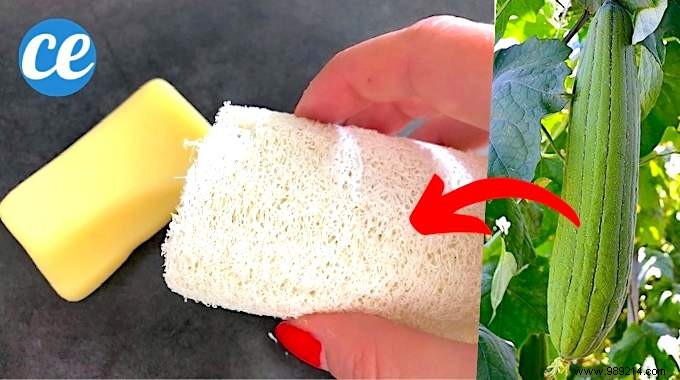
As an experienced gardener, I've successfully cultivated loofah plants for years, yielding natural, organic sponges right from my backyard. These eco-friendly alternatives outperform store-bought options in durability and sustainability.
By planting seeds from this zucchini-like fruit, known as loofah (or luffa), you can harvest dozens of high-quality sponges. Grow them in your garden or pots for bigger, longer-lasting results—without harming ocean ecosystems where wild sponges are overharvested.
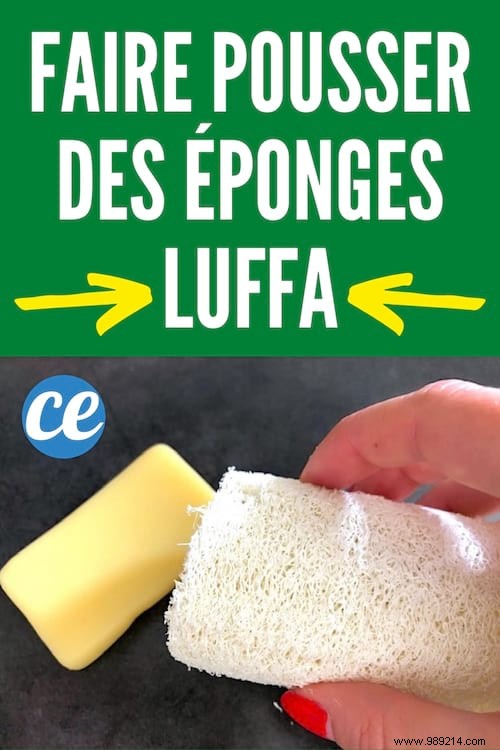
Follow this proven step-by-step guide to grow loofah sponges easily:
1. Source loofah seeds and plant them in well-drained soil.
2. Water regularly and allow plants to grow; fruits resemble large gourds.
3. Train vines on stakes or trellises for optimal growth.
4. Harvest when fruits are fully ripe.
5. Peel off the outer skin with a knife.
6. The fibrous interior is your natural sponge; remove seeds next.
7. Drill a hole in the wider end and shake out seeds. Note: Save seeds for future planting.
8. Slice into 3-4 sections based on desired sponge size.
9. Soak slices in warm, soapy water.
10. Dry thoroughly in sunlight.
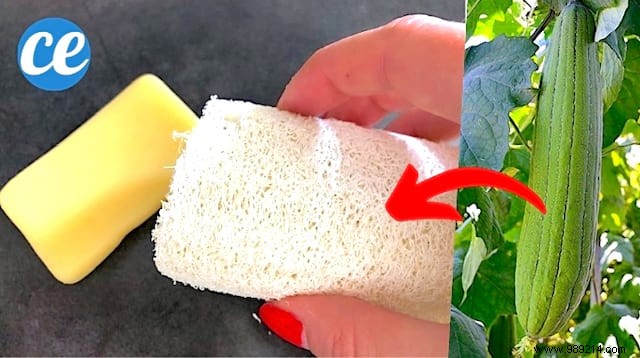
Perfect loofah sponges ready for use! This method is simple, quick, and yields versatile tools for showers, dishwashing, or cleaning glass and porcelain without scratches.
These sponges last up to three times longer than commercial ones, saving money and reducing waste. Mature loofahs develop strong fibers—rough enough for deep cleaning yet gentle on surfaces—benefiting both your home and the planet by avoiding ocean overharvesting.
- Germinate seeds indoors in paper cups for best results. When transplanting, soak the cup to soften it, dig a hole, and plant intact to protect roots.
- Ideal for cooler climates: Start seedlings indoors or in a greenhouse, transplant after last frosts (around mid-May in many regions).
- Hang fruits on trellises to ripen properly; provide sturdy supports as they grow large and heavy in warm weather.
- Loofah thrives in rich, well-drained soil, flowering in 3-4 months. Its blooms attract pollinators like bees.
Loofah belongs to the squash family, with various edible varieties. Historically, dried gourds served as egg nests, ladles, or salt bowls.
Fruits reach up to 20 cm, with vining stems, large sycamore-like leaves, and a melon-tough skin enclosing fibrous flesh and seeds—easily removed from the base.
The vigorous plant suits fences or trellises, adding decorative appeal to gardens.
