Hydrogen peroxide (H₂O₂) goes beyond household cleaning—it's a powerful ally for gardeners. That extra oxygen atom compared to water (H₂O) delivers real benefits to plants, from oxygenation to pathogen control.
Commonly used for cleaning, bleaching, sterilization, or disinfection, hydrogen peroxide (10 volumes) acts as an oxygen supplement in horticulture, helping plants thrive.
Discover these 6 practical applications:
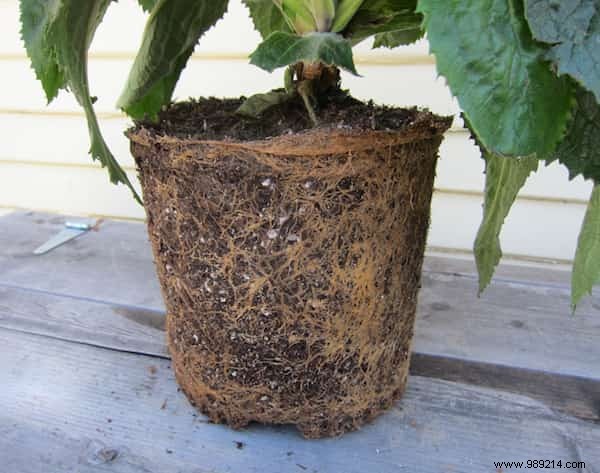
Overwatering deprives roots of oxygen as water fills air spaces, leading to rot in as little as 24 hours. Revive affected plants with a solution of 3 ml hydrogen peroxide per liter of water. The released oxygen boosts root recovery. Apply once, then allow soil to dry completely.
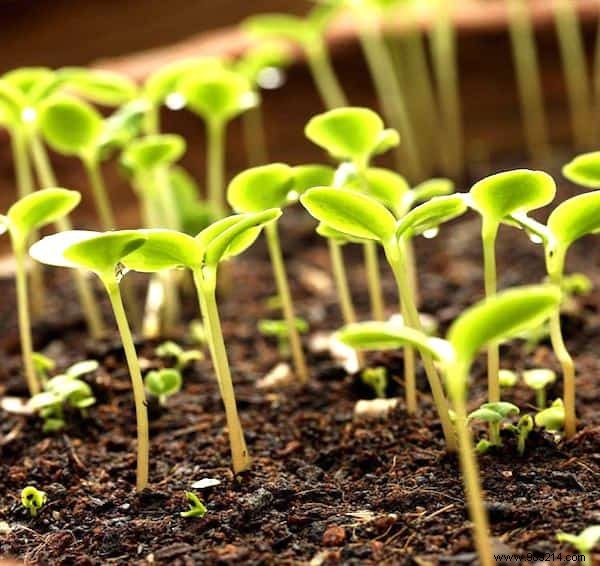
Soak seeds in 10-volume hydrogen peroxide for 30 minutes to soften their outer coating and kill bacteria. Rinse thoroughly and plant as usual—this accelerates germination rates effectively.
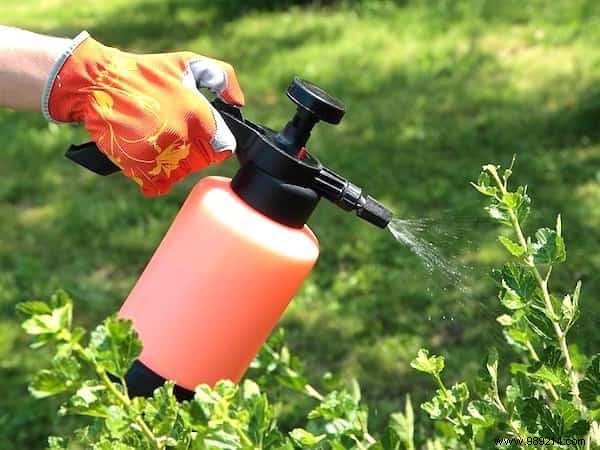
A favorite among horticulturists and rose growers, mix 10 tablespoons of 10-volume hydrogen peroxide in 1 liter of water. Spray on plants preventively or until fungi disappear.
The extra oxygen enhances root nutrient uptake. Mix 1 teaspoon hydrogen peroxide in 4 liters of water and apply occasionally to promote vigorous growth.
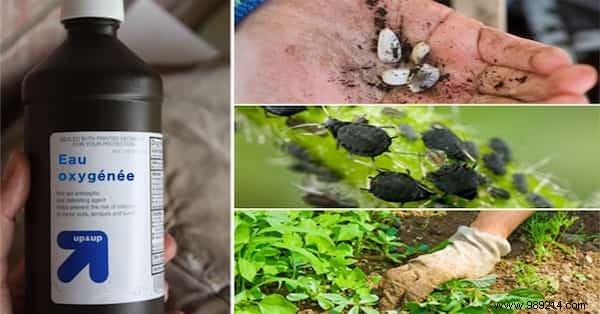
Spray plants with equal parts 10-volume hydrogen peroxide and water to target pests, eggs, and bacteria on produce. Highly effective against cabbage worms.
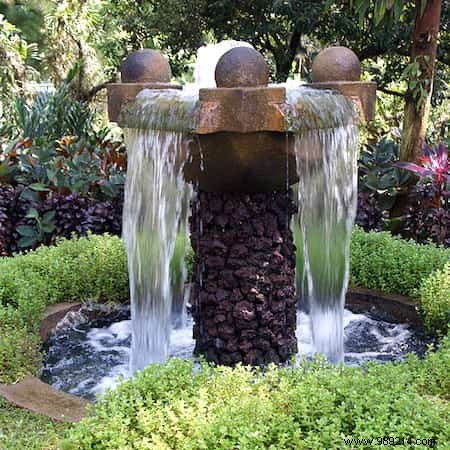
Add 250 ml hydrogen peroxide per 30 liters of pond or fountain water to inhibit algae and bacteria growth, keeping it clear and healthy.
