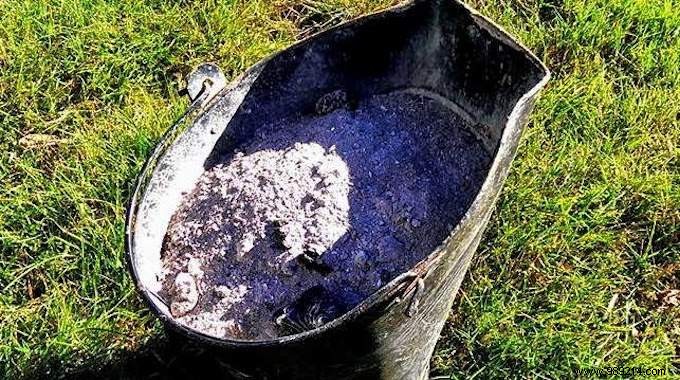
After enjoying a cozy fire in your wood stove or fireplace, you're left with a pile of ash. Rather than tossing it out, this nutrient-rich byproduct—packed with potassium, phosphorus, and calcium—offers dozens of practical applications. As experienced gardeners and homesteaders know, wood ash is a versatile, eco-friendly resource for fertilizing gardens, neutralizing odors, and more. Here are 25 expert-recommended uses for wood ash throughout your home and yard.
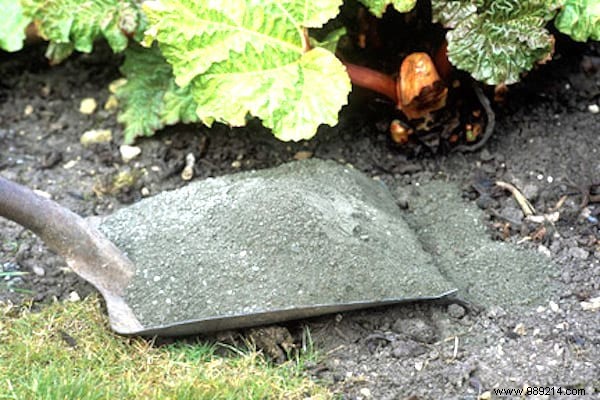
Gardeners dread slugs, snails, aphids, and cabbage worms that ravage plants overnight. Wood ash serves as an effective natural barrier. Sprinkle it around plant bases or create a perimeter around your garden bed. Avoid direct contact with foliage, and reapply after rain. The dry, abrasive texture and moisture-absorbing properties deter these pests from crossing.
A balanced compost thrives with the right nutrients. Add wood ash sparingly to increase potassium levels. Its alkalinity means moderation is key—overuse can harm microbial activity.
For soils with pH below 6, apply no more than 12 kg of ash per 100 m² to gently raise alkalinity and improve nutrient availability.
Calcium is essential for robust plant growth. Swap chemical fertilizers for wood ash or crushed eggshells on crops like potatoes, broccoli, cauliflower, tomatoes, carrots, beans, lettuce, celery, peas, cabbage, and garlic. Young fruit and apple trees benefit too.
In late fall, mulch plants with a layer of ash to shield roots from freezing temperatures.
Preserve ungerminated seeds in a clay or stoneware pot, covered with ash. This repels insects and wicks away excess moisture.
For surplus produce, bury it in a pit filled with ash, spacing items apart to prevent touching. Cover with wood and store for days or weeks without refrigeration.
Mix ash with water to loosen corn husks effortlessly. This traditional method also enhances flavor and nutrition.
Add 1 tablespoon per 3,000 liters of water to nourish beneficial algae while curbing overgrowth.
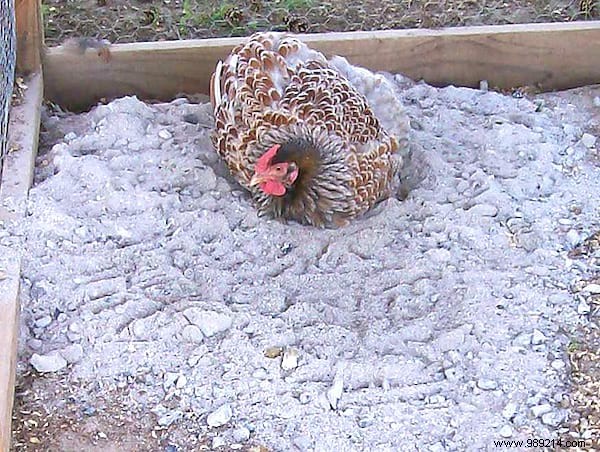
Blend ash with sand for a chicken dust bath. It cleans feathers and eliminates lice, mites, and parasites.
Rich in calcium, add 1% ash to feed for stronger shells, extended laying, and reduced ammonia odors from droppings.
Traditionally, mix hot water and ash to soak hides, loosening hair for easy removal without scraping.
Sprinkle ash on icy paths—its potassium carbonate melts ice effectively without salt's harm to plants, pets, groundwater, or surfaces.
Dust lawn with ash and water well. The nutrients promote lush, vibrant growth.
Quickly extinguish stubborn flames by blanketing them with ash.
Stuck tires? Ash fills ruts in snow or ice, providing traction for easy escape.
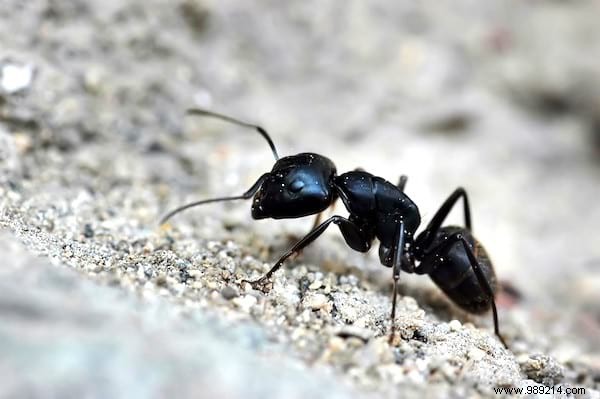
Dump ash into ant hills or along rodent paths. Pests avoid its texture and can't displace it, forcing relocation.
Mix ash with white vinegar into a paste for pets or chickens. Apply to fur/feathers, rinse as needed to banish fleas, ticks, and lice.
Dust stored clothes with ash to repel moths. Shake off before wearing.
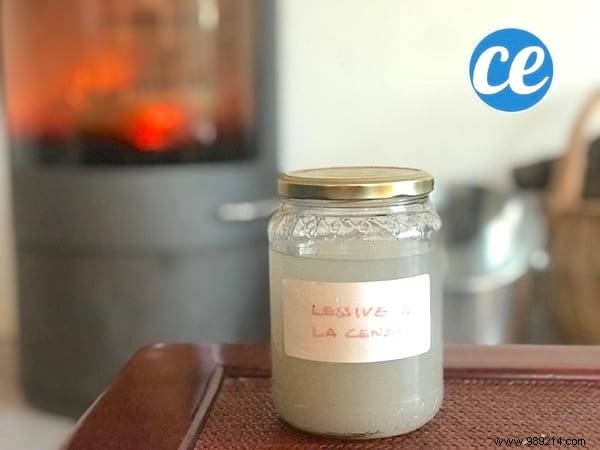
Create natural lye by mixing ash, animal fat, and water. Caution: It's caustic—handle with care. (See detailed method linked.)
Sprinkle on fresh paint, grease, or spills on porous surfaces like cement. Let absorb, then sweep away.
Dip damp newspaper in ash to polish glass, mirrors, fireplace doors, or silverware streak-free.
Place ash in litter boxes, damp rooms, or fridges to neutralize smells. Refresh as needed.
For fresh stains, apply ash, wait 4-5 minutes, then rub with breadcrumbs.
Historical remedies include ash pastes for wounds (antibacterial), birch ash in milk for liver issues, rowan for anemia/fatigue, oak for eye pressure, and aspen for swelling or colon irritation.
• Lye from ash is toxic—avoid skin, food, or pet contact.
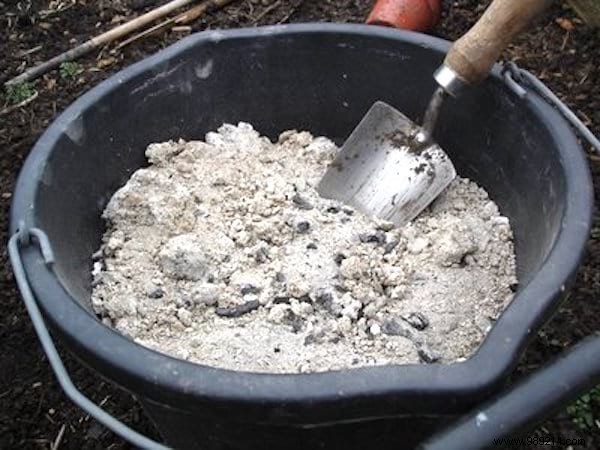
• Use only untreated hardwood ash (5x more nutrients than softwood).
• Store in metal on concrete; embers can smolder.
• Wear goggles, gloves, mask when handling fine particles.
• Limit near young plants due to salt content.
• Never mix with urea/nitrogen fertilizers to prevent ammonia gas.
