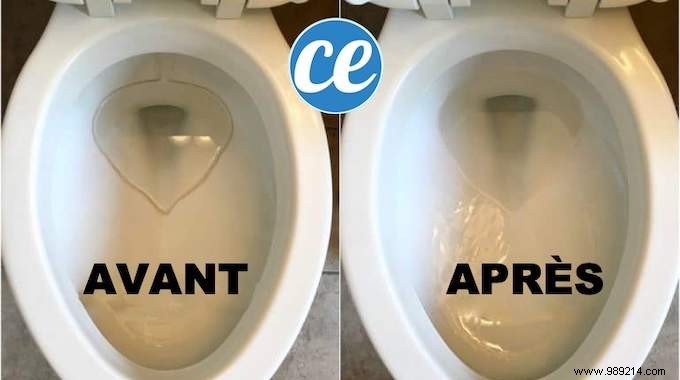
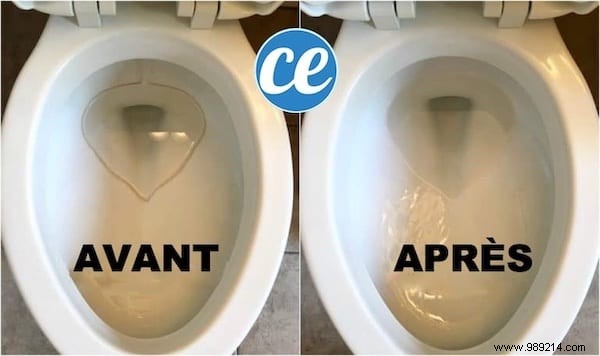
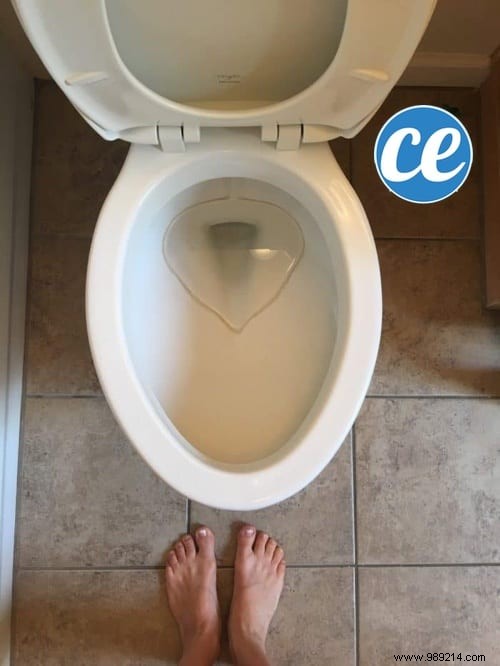
Tired of stubborn limescale buildup at the bottom of your toilet bowl? It can make your bathroom look unclean, especially with guests around.
Fortunately, there's a simple, effective method to restore a sparkling clean finish without scratching the porcelain. As someone who's tested numerous home cleaning solutions, this quick trick takes just minutes of active effort and delivers reliable results.
It whitens the bowl bottom in no more than 5 minutes of scrubbing after a short soak—no harsh chemicals needed.
- Soda crystals
- Sanding grid (or heavy-duty abrasive pad)
- Household gloves
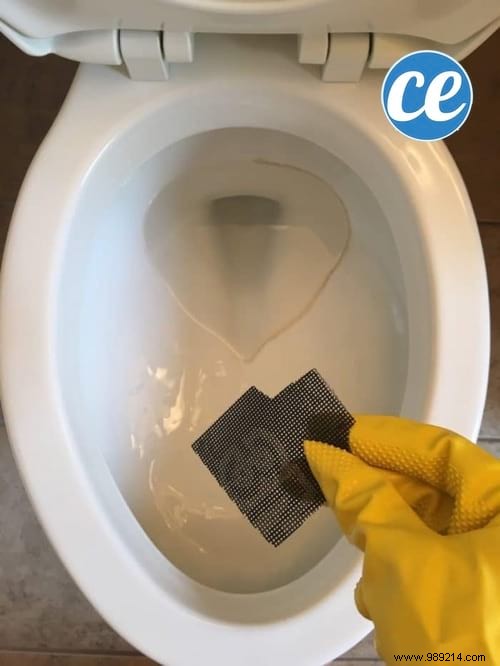
1. Cut two small squares of sanding grid and set aside.
2. Put on your household gloves.
3. In a basin, add three tablespoons of soda crystals.
4. Pour 1 liter of hot water over them.
5. Mix well with a spoon.
6. Carefully pour the mixture into the toilet bowl, avoiding splashes.
7. Let it sit for 15 minutes to break down the scale.
8. Using gloved hands, gently scrub the limescale stains with the sanding grid in small circular motions.
9. Flush the toilet and enjoy the pristine result.
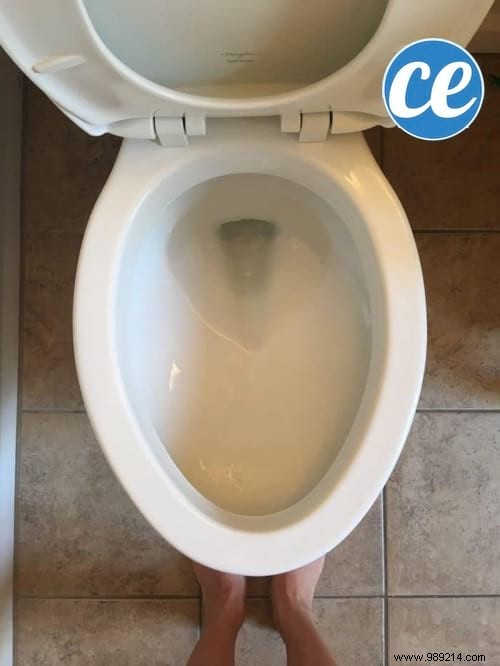
Your toilet bowl bottom is now perfectly clean and white. This method is easy, fast, and highly effective—no more black marks!
It's guest-ready, budget-friendly, and 100% natural, outperforming commercial cleaners.
Avoid pressing too hard while scrubbing; the goal is to lift limescale without damaging the porcelain.
Hard water contains high levels of dissolved minerals like calcium and magnesium.
Soft water has fewer minerals, or they've been replaced with sodium, as in treated rainwater.
As water percolates through soil and rock into waterways, it picks up minerals like chalk, lime, calcium, and magnesium.
Hard water provides essential minerals beneficial for health and taste, but it has downsides for your home.
It can clog appliances like dishwashers and washing machines, increase energy use due to scale buildup, and leave tough-to-remove stains.
Primarily hard water limescale, though other factors can contribute. If your toilet shows these dark rings, hard water is likely the culprit.
- Bleach
- Domestos-type toilet cleaning gels
- Blue toilet tablets
These often fail against stubborn limescale. Bleach can even worsen stains, making them permanent.
