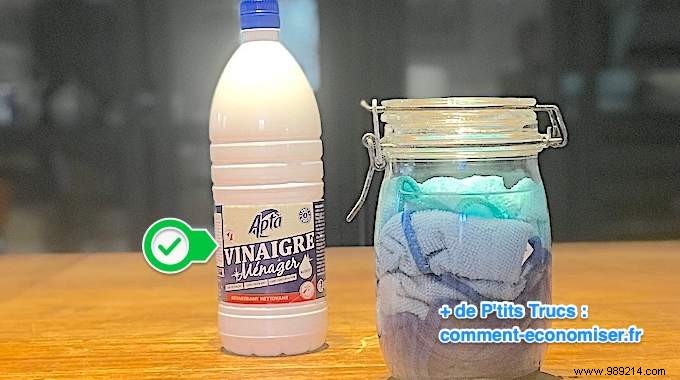
Multi-purpose wipes are a cleaning essential, but store-bought versions often contain harsh chemicals that can impact health and drain your wallet.
Luckily, as someone who's tested countless homemade cleaning solutions over years of managing a busy household, I've perfected a simple recipe for effective disinfectant wipes you can make in 1 minute. It's economical, natural, and perfect for daily house cleaning. Here's how:

- White vinegar
- Boiled water
- 10 drops of tea tree essential oil
- An old sheet or rags
- Jar or airtight container
1. Boil about 500ml of water (adjust based on jar size).
2. Cut an old sheet or rags into your desired wipe sizes.
3. Place the pieces in the jar.
4. Half-fill with white vinegar.
5. Top with boiled water to fill the jar.
6. Add 10 drops of essential oil.
7. Seal the jar.
8. Let it soak for a few minutes.
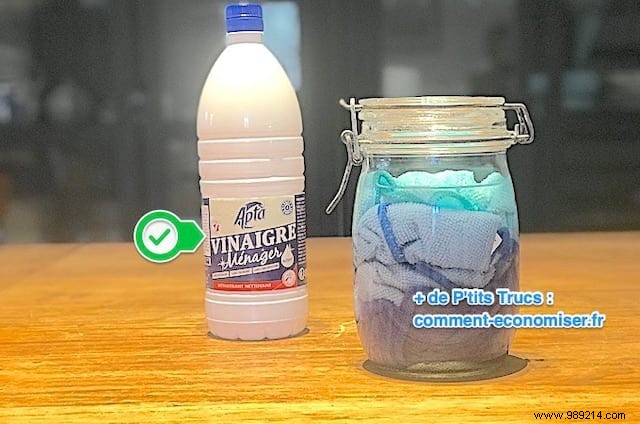
Your homemade disinfectant wipes are ready! Quick, affordable, and effective—no need for store-bought options like those at Carrefour.
These DIY wipes are 100% natural, eco-friendly, and reusable, tackling messes throughout the home without extra products.
Grab a wipe, wring it out, and wipe surfaces clean. Don't return dirty wipes to the jar—wash them in the machine and reuse.
Ideal for countertops, kitchen, bathroom, and toilets—clean the whole house effortlessly.
One swipe and surfaces are spotless and disinfected. My family relies on them daily, especially in high-traffic areas like bathrooms—truly convenient for quick cleans.
Vinegar's acidity makes it a proven disinfectant and antibacterial agent, also degreasing and deodorizing effectively, as backed by cleaning science.
Essential oils boost antibacterial power. Note: Most are not suitable for pregnant women—use gloves when handling.
I recommend tea tree oil, but alternatives like lemongrass, marjoram, eucalyptus, ravintsara, cinnamon, or lemon work great for their antibacterial properties.
