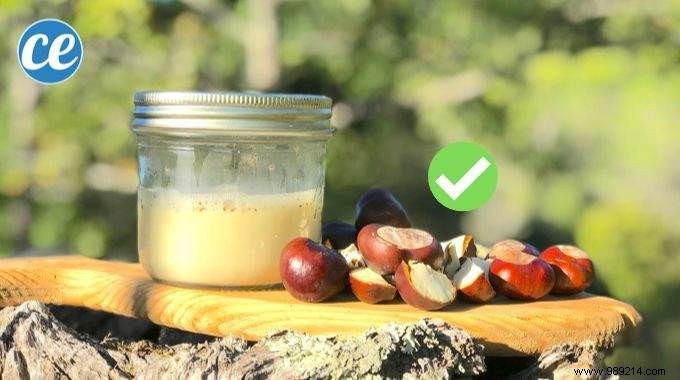
Searching for a chemical-free, budget-friendly laundry detergent? I've been there—tired of pricey commercial products loaded with harsh ingredients, even the 'eco-friendly' ones. After years of experimenting with natural cleaners, I discovered horse chestnuts make an incredibly effective homemade alternative. Abundant in fall, they're free to forage and packed with saponins, nature's own soap.
This simple recipe yields a milky liquid detergent that's gentle on sensitive skin (perfect for kids), zero-waste, and highly effective. Here's how I do it:
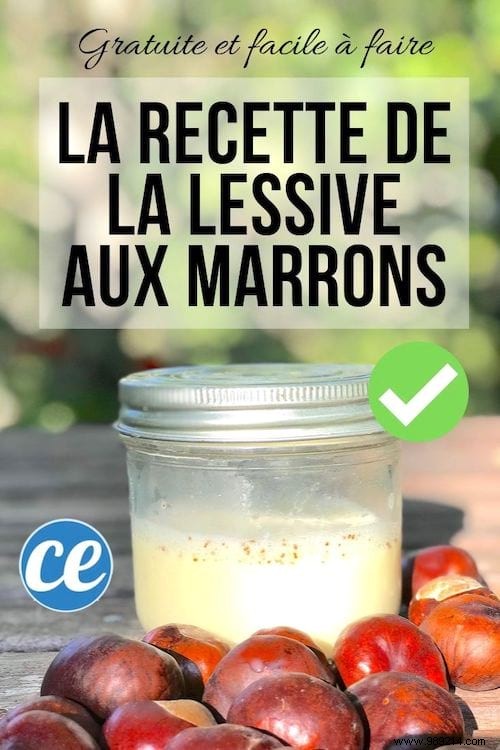
1. Forage ripe horse chestnuts from the ground under trees (avoid edible sweet chestnuts—more on that below).
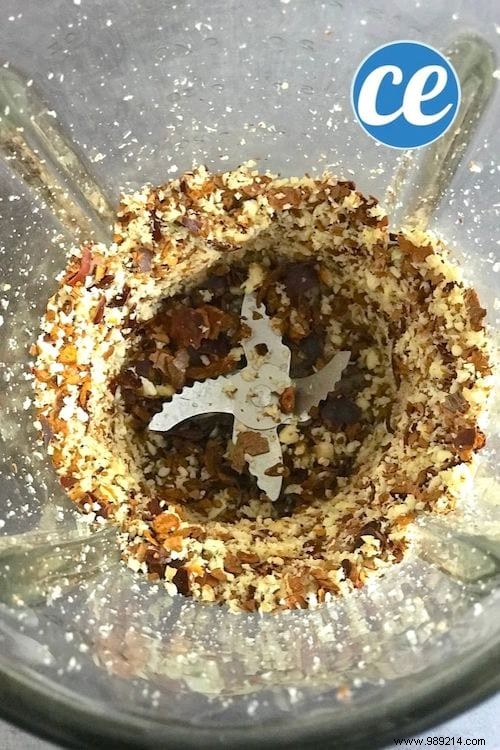
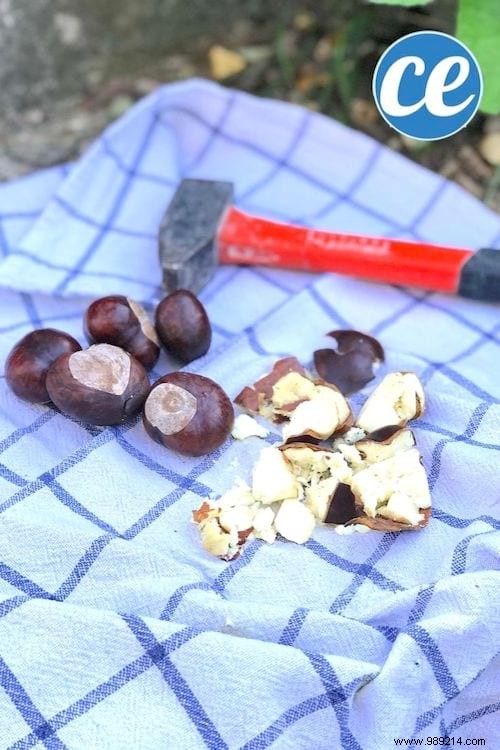
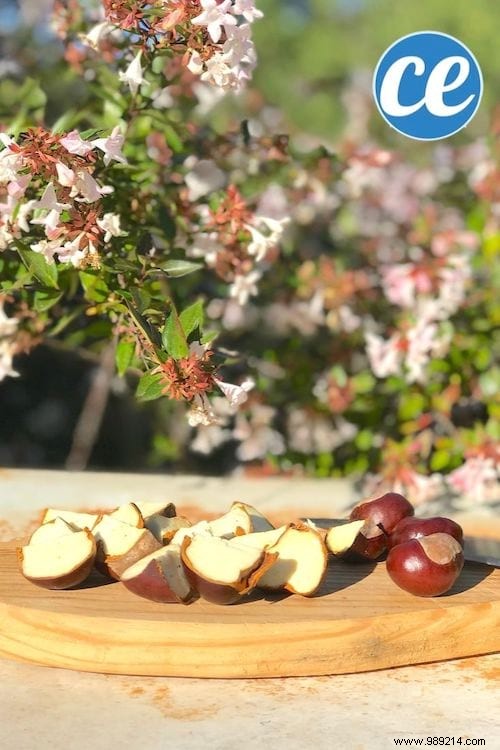
2. Blend them into a pulp. No blender? Crush in a tea towel with a hammer or chop finely with a knife.
3. Place the pulp in a jar and add 200 ml water.
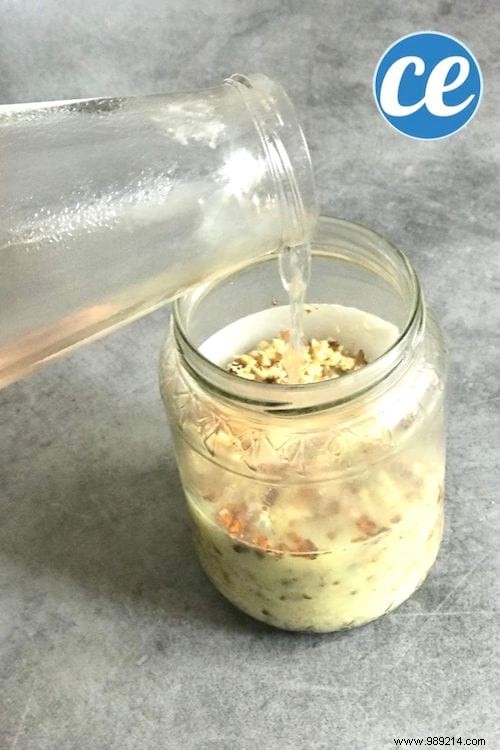
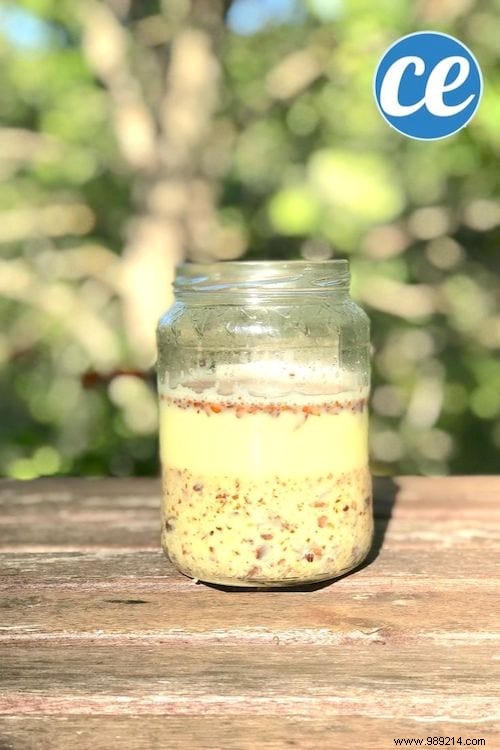
4. Let sit for 30 minutes (or overnight if coarsely chopped) until the water turns milky.
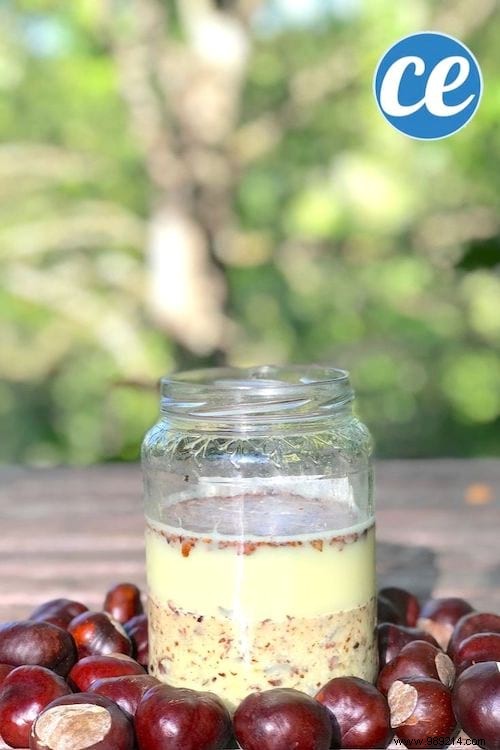
5. Strain through a colander, squeezing out the liquid.
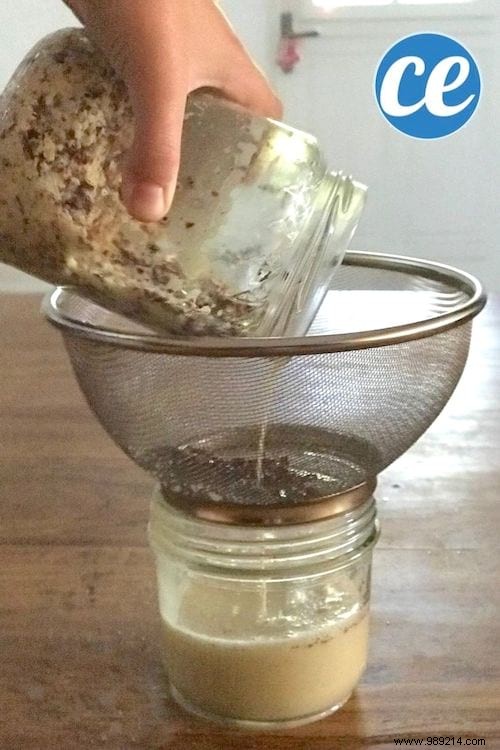
6. Use 60-90 ml per load, just like any detergent. Refrigerate for up to a week.
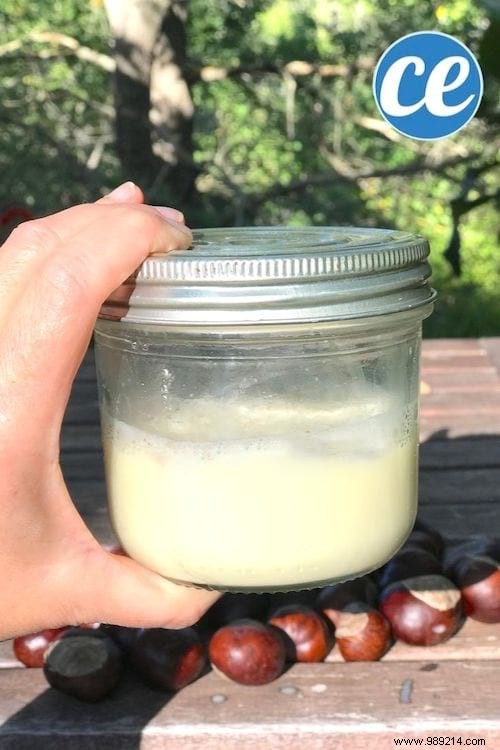
My laundry comes out clean, fresh, and free of chemical residues—no more allergies or odors. Compost the pulp.
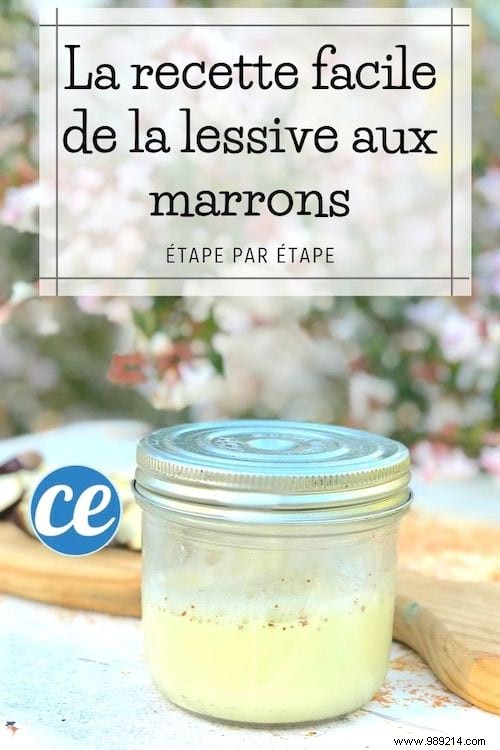
Horse chestnuts contain saponins—natural surfactants like those in soap (from Latin 'sapo'). They create suds and lift dirt effectively in water. Reuse pulp twice if needed, but make fresh batches weekly.
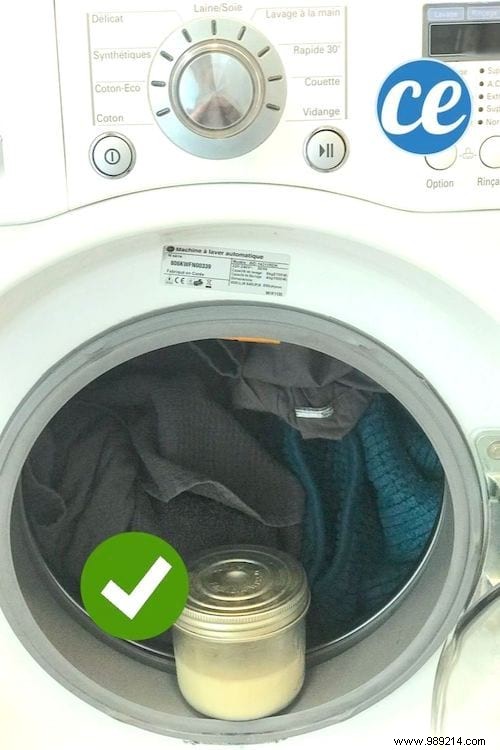
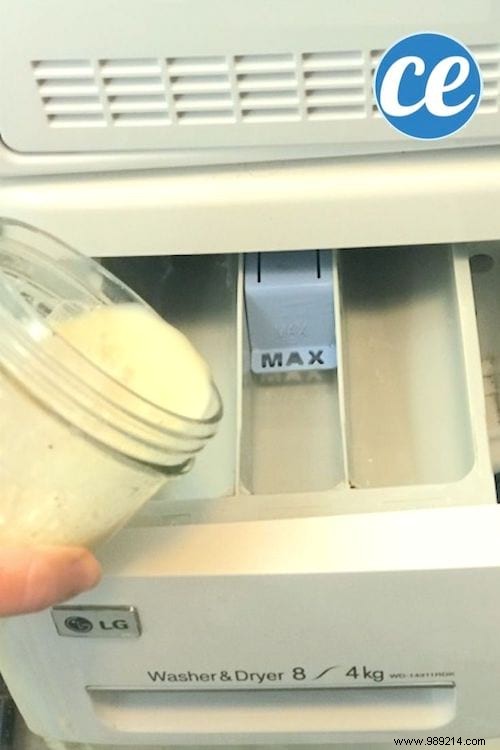
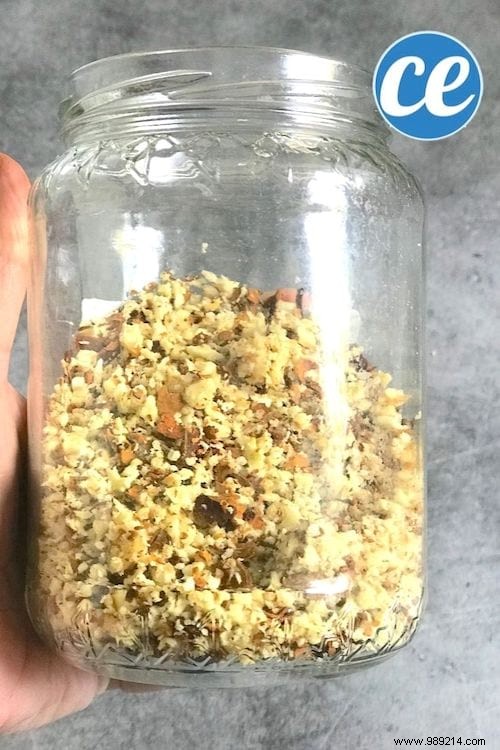
Soap nuts are great but imported, pricey, and high-carbon. Local horse chestnuts are sustainable and free in many areas.
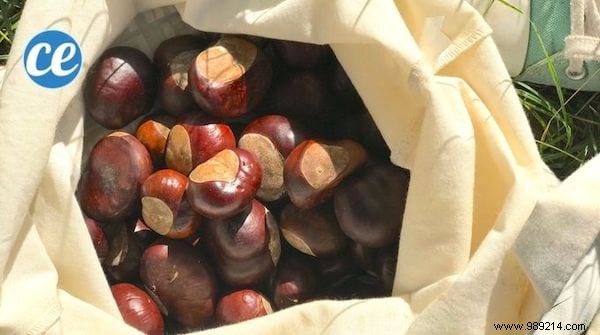
Common under Aesculus hippocastanum trees in fall across France and similar regions. Can't forage? Buy pre-ground granules.
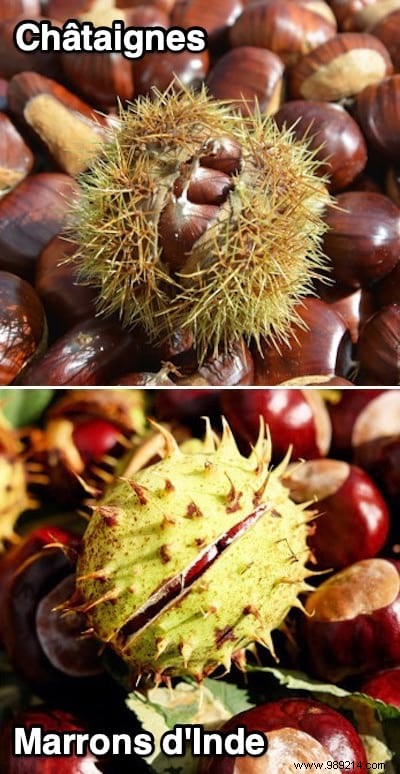
Warning: Use only NON-EDIBLE horse chestnuts. Clean tools thoroughly. Differentiate by husk: horse chestnut husks are spiky like sea urchins; edible ones have fewer, coarser spikes. Horse chestnuts are round/shiny; edibles are triangular/flattened.
Have you made chestnut detergent? Share your results in the comments—I'd love to hear!
