
As someone who's maintained lawnmowers for over a decade, I know the frustration of grass-clogged decks and blades after mowing. Today, I'll share a straightforward, proven method to clean your lawnmower effectively—in just minutes.
Grass buildup can lead to rust and premature wear, especially given the cost of quality mowers. The good news? A simple household item makes it easy.
Use pure white vinegar to wipe down the housing and blades. Watch how:
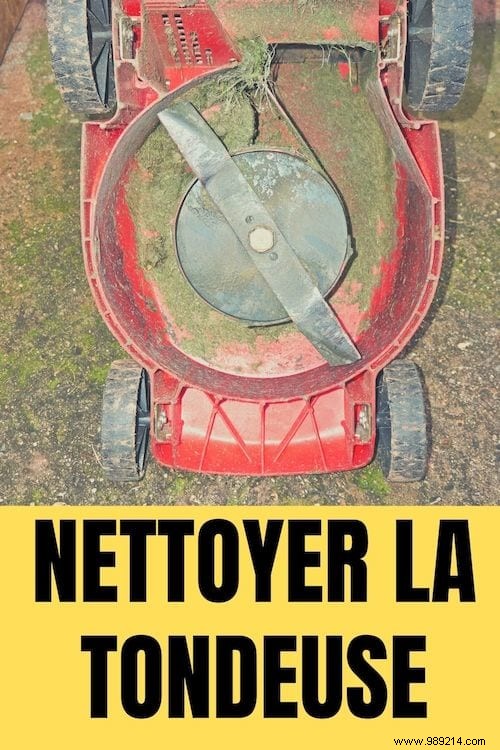
- Brush
- White vinegar
- Rags
1. Brush off loose grass from all parts.
2. Soak a rag in pure white vinegar.
3. Wipe the blades and housing thoroughly.
4. Let it air dry.

Your mower is now spotless and ready to store! Simple, fast, and highly effective.
Regular cleaning prevents rust from rotting grass. Proper maintenance extends your mower's life—at the cost of just a bottle of vinegar.
This works on blades and decks for manual reel, electric, hover, petrol (towed or push), and brands like Husqvarna, Honda, Alpina, Stihl, Toro, and Remington.
Clean immediately after mowing while grass is fresh—not dried and stuck.
Avoid pressure washers like Kärcher, especially on electrics. Check for water-safe symbols (tap icon). No water on engines or fuel systems.
White vinegar's acidity dissolves tough grass stains, dirt, and insect residue naturally—making it the ideal, eco-friendly cleaner for mowers.
Tilt to access the underside: backward onto handlebars or sideways.
For petrol mowers, keep the air filter upright to avoid flooding. Tilt toward the exhaust side.
Always: Engine off, unplug electrics or remove battery, cool thermal engines, disconnect spark plug wire.
Wear cut-resistant gloves—blades are sharp. Never rotate blades by hand.
