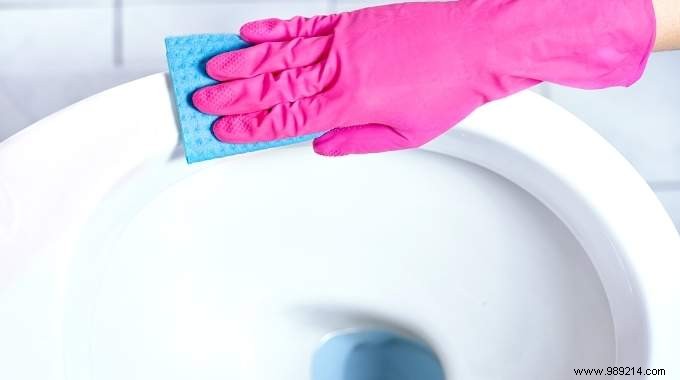
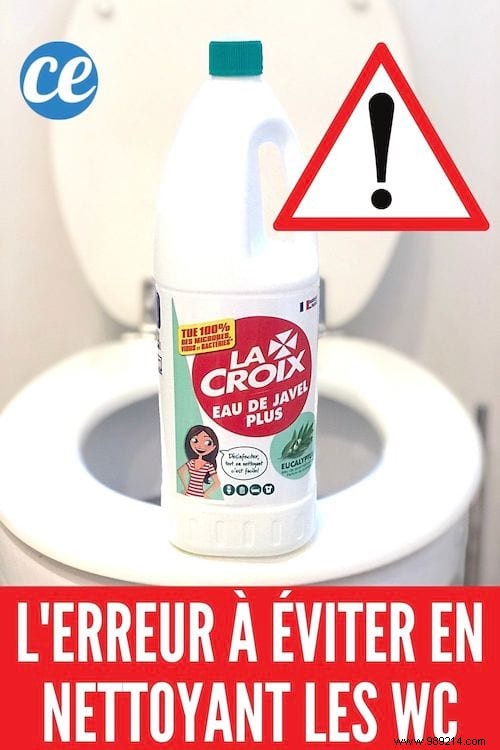
Like many homeowners, I once relied on bleach to clean my toilets—until research and experience showed me it was a major error. Bleach offers no real cleaning power, poses serious health risks, and damages the environment.
Here's why experts recommend ditching it, backed by scientific insights from chemists and studies.
 Contents
 Bleach excels at whitening, bleaching, and disinfecting surfaces. However, it lacks surfactants—the key agents that lift dirt, grime, and limescale from surfaces.
When you pour bleach into your toilet bowl, it merely bleaches the limescale, giving a false illusion of cleanliness. The buildup remains hidden under the white coating and quickly reappears as yellow or brown stains after just a few uses.
Bleach, or sodium hypochlorite (chlorine in a potash solution), can burn skin on contact and cause severe eye damage. Even with gloves and goggles, risks persist.
Cécile Pebay, chemist at CNRS specializing in chemical risk prevention, warns that mixing bleach with ammonia or acids produces toxic chloramine and dichlor gases—highly irritating to eyes and respiratory tract (as noted in France 5's La Quotidienne).
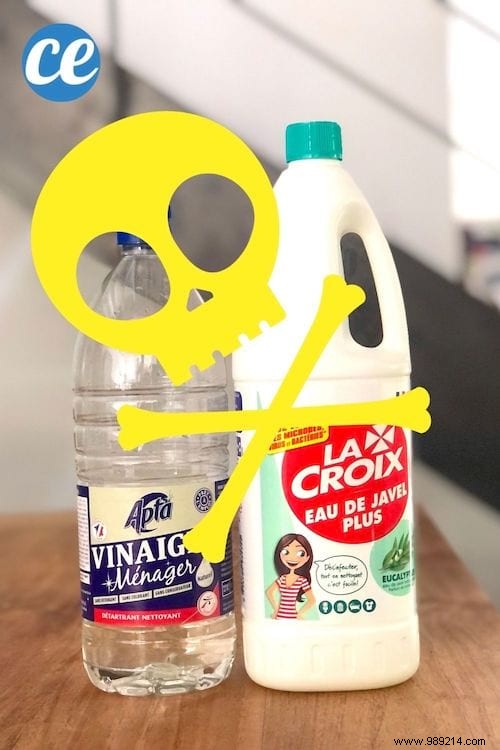
Many cleaners contain ammonia or acids, and urine is ammonia-rich, creating hazardous gases in uncleaned toilets. Never mix bleach with white vinegar (acetic acid) or drain cleaners either—these reactions release persistent toxic gases that linger in indoor air for years.
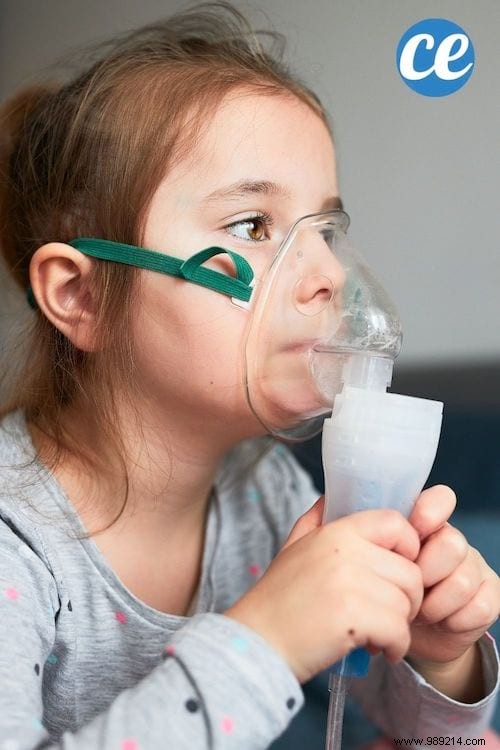
Regular bleach use affects more than just cleaners. A 2016 study in Occupational and Environmental Medicine linked it to higher respiratory and ear-nose-throat infection risks in children aged 6-12.
"High frequency use of cleaning products, driven by the myth of germ-free homes, creates public health issues," said researcher Lidia Casas in Ouest-France.
Anti-poison centers reported more bleach-related poisonings and accidents during the COVID-19 pandemic, as its virucidal properties led to overuse. While effective against viruses, it must be handled cautiously—safer daily options exist.
Related reading: Coronavirus: 5 Mistakes Everyone Makes With Bleach.
Bleach harms waterways, pets, and septic systems. Flushed down toilets, it evaporates into organochlorines—neurotoxic compounds polluting air and soil.
In septic tanks, it kills essential bacteria, rendering the system ineffective. Opt for septic-compatible cleaners instead.
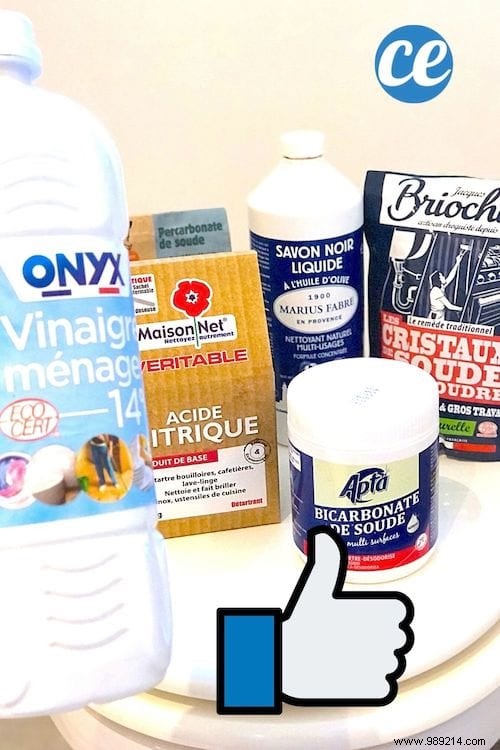
Ditch bleach for proven natural methods that truly dissolve limescale:
These eco-friendly options remove limescale effectively, prevent buildup, and keep your toilet sparkling without health risks.
For chlorine inhalation: Move to fresh air, rest, and contact poison control, ER, or a doctor immediately. Symptoms include eye irritation, cough, breathing pain, nausea, vomiting, cyanosis, glottis edema, or spasms.
Eye contact: Rinse 15-20 minutes with eyes open, remove lenses, call poison control.
Skin contact: Remove clothes, rinse 15-20 minutes; seek medical help for burns.
Ingestion: Call poison control or ER—do not induce vomiting or give food/drink unless advised.
