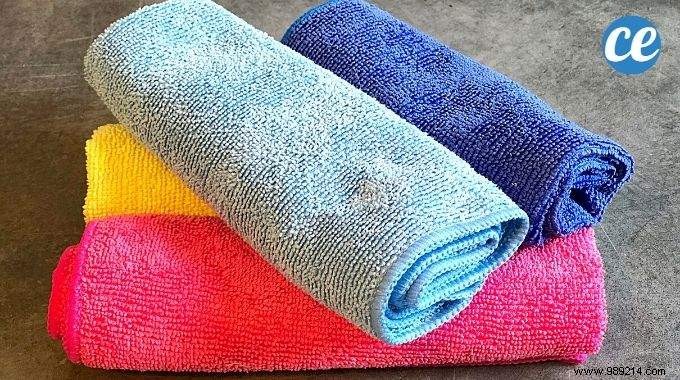
Do you know the proper way to wash microfiber cloths? It seems straightforward, but improper cleaning can ruin their absorbency and effectiveness.
From years of hands-on cleaning experience and time-tested advice—like the wisdom shared by my grandmother—I've confirmed that high-temperature washing is a common pitfall that damages these versatile tools.
I made this mistake myself until I learned better. Let's dive into expert methods to clean microfiber cloths without compromising their performance. Watch this:
The top recommendation from cleaning professionals: Avoid hot cycles entirely.
Opt for a gentle program at 30°C or 40°C maximum. This preserves the cloth's structure and absorbency over hundreds of uses.
High heat shrinks and degrades the synthetic fibers, stripping away their key properties.
Additional pro tips: Skip powdered detergents, as residues can embed in fibers. Avoid fabric softeners too—they coat and clump the material, reducing effectiveness.
Instead, choose a clear, fragrance-free liquid detergent—use only half the recommended dose. Never use bleach or starch.
For softening, add white vinegar to remove limescale without harm.
Finally, wash microfiber separately from lint-shedding fabrics like cotton or wool. If mixing is unavoidable, use a mesh laundry bag.
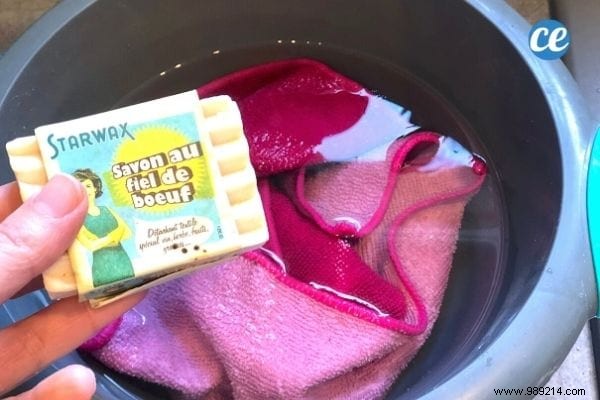
For precise control, hand-washing microfiber cloths is an excellent option.
First, shake out loose dust over a trash bin or outdoors.
Fill a basin with lukewarm water (30-40°C). Add a mild detergent like dish soap, natural laundry soap, Marseille soap, or black soap. Aleppo or ox gall soap are outstanding natural degreasers.
Soak for 15 minutes, gently scrub, rinse thoroughly, and hang to dry.
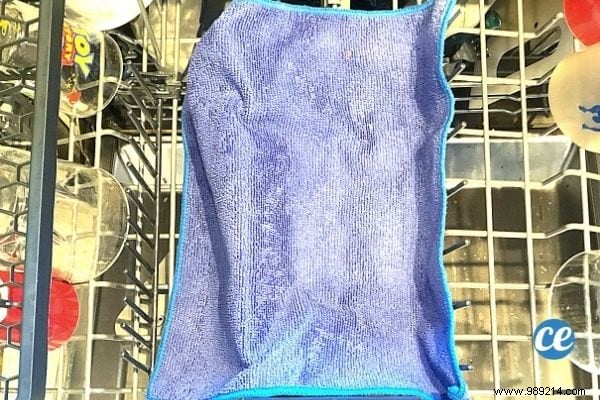
A surprising yet effective pro trick: Toss microfiber cloths in the dishwasher with your dishes.
Lay them flat on the top rack and run a standard cycle—but stick to 30-40°C to protect the fibers.
Air dry afterward for best results.
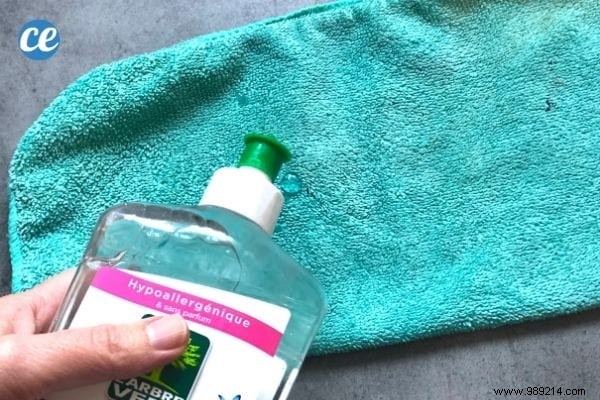
Low-temp washes handle everyday dirt, but grease needs extra attention. Pre-treat stains with white vinegar or a few drops of dish soap, then rub gently before washing. Ox gall soap excels here too.
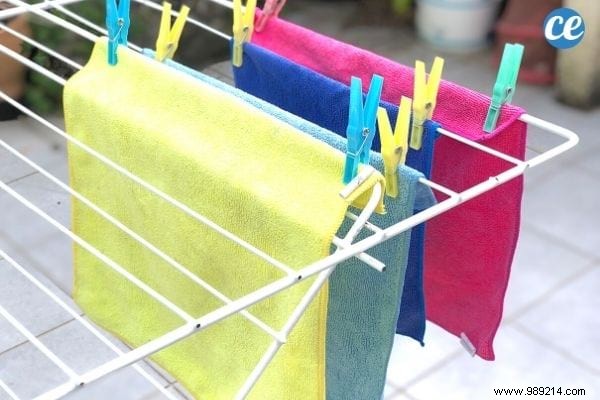
Air-dry outdoors or indoors to maintain integrity. Skip the tumble dryer—high heat damages synthetics, and lint clings to the fibers, defeating their purpose.
Never iron microfiber cloths.
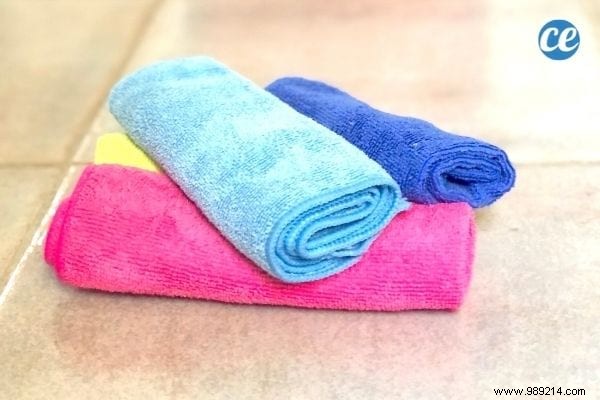
Microfiber cloths are made from a blend of polyester (cleansing action) and polyamide (absorbs moisture, grease, dust). This duo delivers exceptional softness and absorbency—up to 7 times their weight in water.
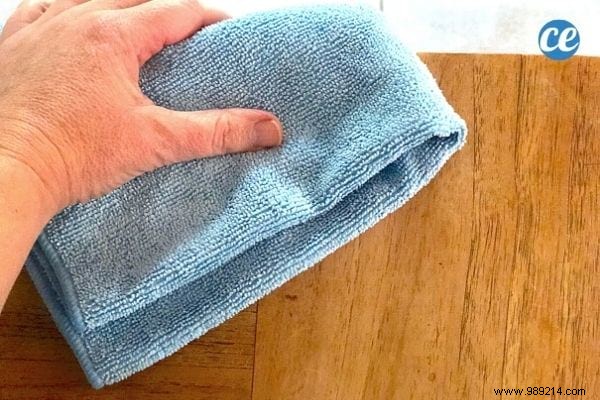
Dampen with water for most tasks, or pair with white vinegar or all-purpose cleaners. They're ideal for streak-free windows, countertops, and dust-free furniture thanks to their electrostatic properties.
These eco-friendly, economical alternatives to paper towels and sponges last 100+ washes when cared for properly. Replace when they feel rough.
