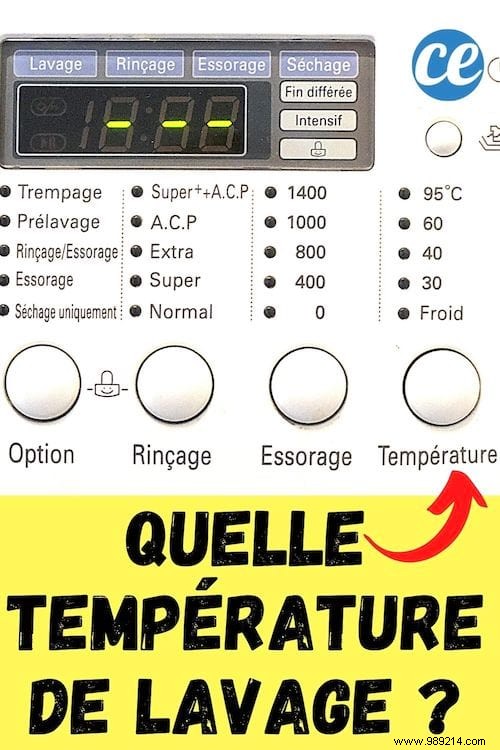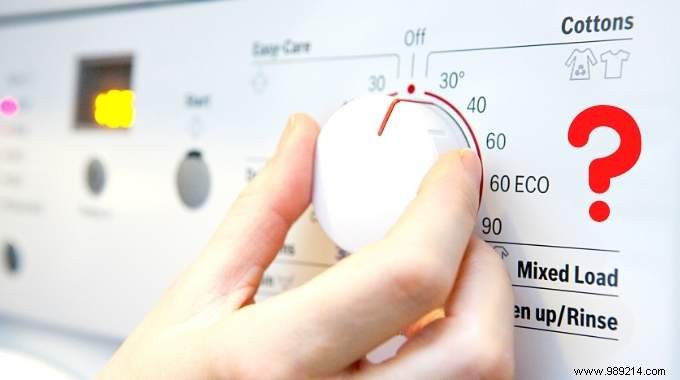
Discover the ideal washing temperatures for your laundry. Heating water consumes most of a washing machine's energy, so selecting the right setting saves money while protecting fabrics and tackling stains effectively. Factors like fabric type and soil level guide the choice. As laundry care experts, we've compiled this straightforward guide based on manufacturer standards and care label symbols.
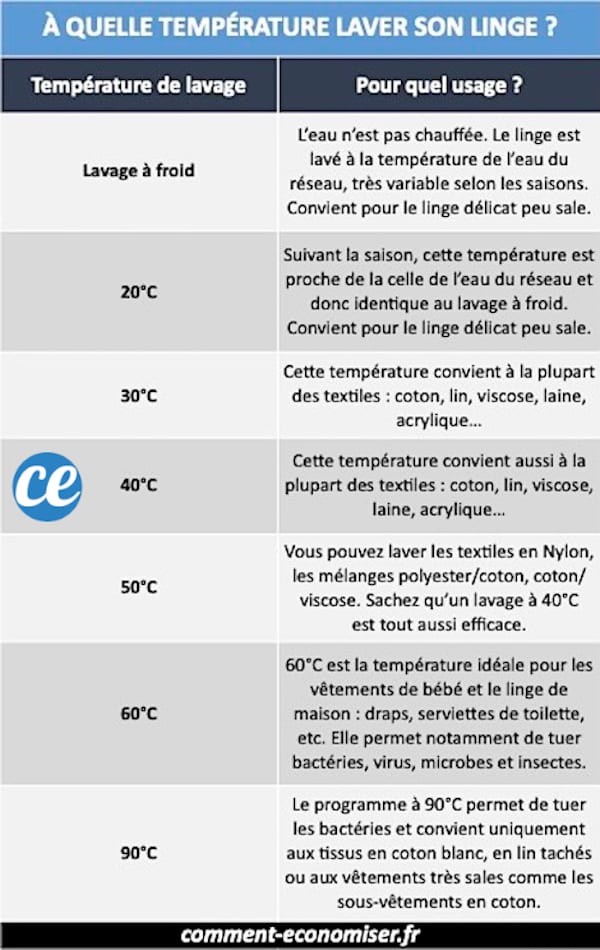
Click here to print this table in PDF format.
Cold wash: Uses unheated tap water, which varies by season. Best for lightly soiled delicates.
20°C wash: Similar to cold in many regions; suitable for lightly soiled delicates.
30°C wash: Ideal for most fabrics like cotton, linen, viscose, wool, and acrylic.
40°C wash: Works for cotton, linen, viscose, wool, acrylic; effective on moderate stains.
50°C wash: Suitable for nylon, polyester/cotton, cotton/viscose blends. Note: 40°C often performs equally well with less energy use.
60°C wash: Perfect for baby clothes and linens like sheets and towels; eliminates bacteria, viruses, and insects.
90°C machine wash: For heavily soiled white cotton or linen like underwear; kills bacteria effectively.
These guidelines apply to all brands, including Vedette, Whirlpool, Indesit, Haier, Brandt, Bosch, Faure, and Electrolux.
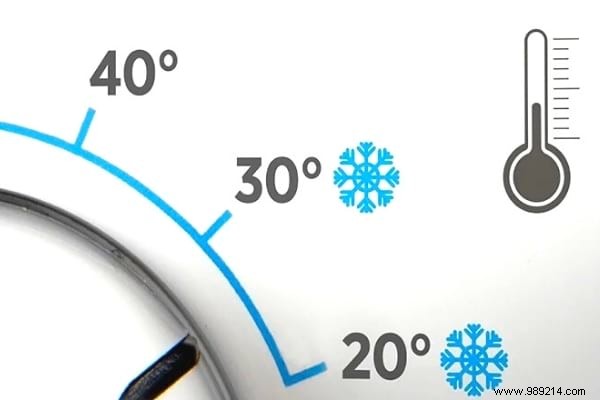
For lightly soiled delicates, opt for a cold wash—no heating required, using tap water temperature that fluctuates seasonally.
Always check garment labels. Ideal for silk, wool, and lace. Represented by a snowflake symbol, it's the most energy-efficient option since water heating dominates energy use.
Modern detergents perform well at low temps, preserving colors and fabric integrity while reducing wear.
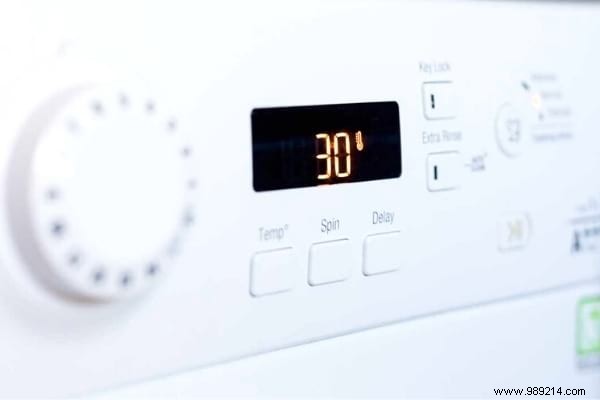
Suitable for most fabrics—cotton, linen, viscose, wool, acrylic—this temperature cleans effectively without risking shrinkage or fading, especially for colors and synthetics.
Prevents cotton fibers from contracting, keeping your clothes in shape.
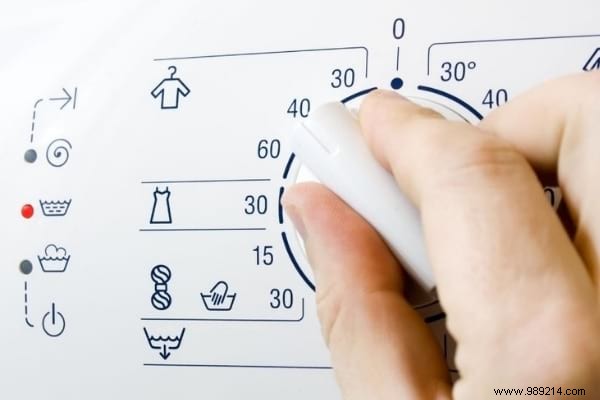
The 40°C cycle suits cotton, linen, viscose, wool, and acrylic, outperforming 30°C on stains like grease, as hotter water dissolves dirt more readily—much like hot dishwater.
Great for moderately soiled non-delicates. The 50°C option works for t-shirts, jeans, nylon, and blends but is fading from machines, as 40°C delivers similar results more efficiently.
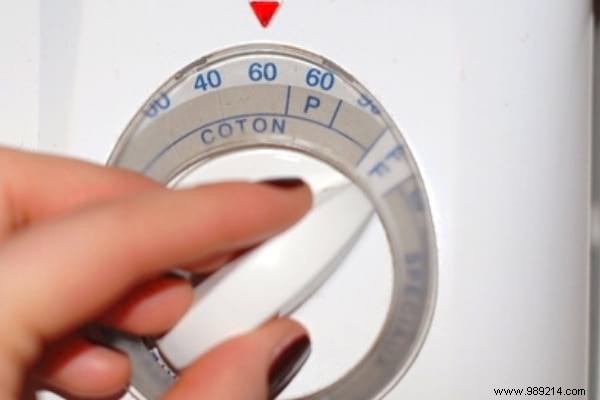
A 60°C wash excels for baby clothes (pajamas, bibs, bodysuits) handling tough stains from food, mud, or waste.
Essential for household linens: sheets, duvet covers, towels. It eradicates bacteria, viruses (including COVID), fungi, fleas, lice, and bed bugs when sustained for 10+ minutes.

Reserve 90-95°C for heavily soiled white cotton or linen like underwear and socks. It tackles stubborn stains (e.g., blood) and fully disinfects by destroying microbes.