Most people check expiration dates on milk or medications, and we know beauty products have a shelf life. But what about pillows, toothbrushes, or bras? As home safety and hygiene experts recommend, many common items degrade over time, losing effectiveness and potentially harboring bacteria or posing risks.
Discover the expiration timelines for 19 everyday items you might overlook. This guide, based on manufacturer guidelines, dental associations, and product safety standards, helps ensure your home stays safe and healthy.
Contents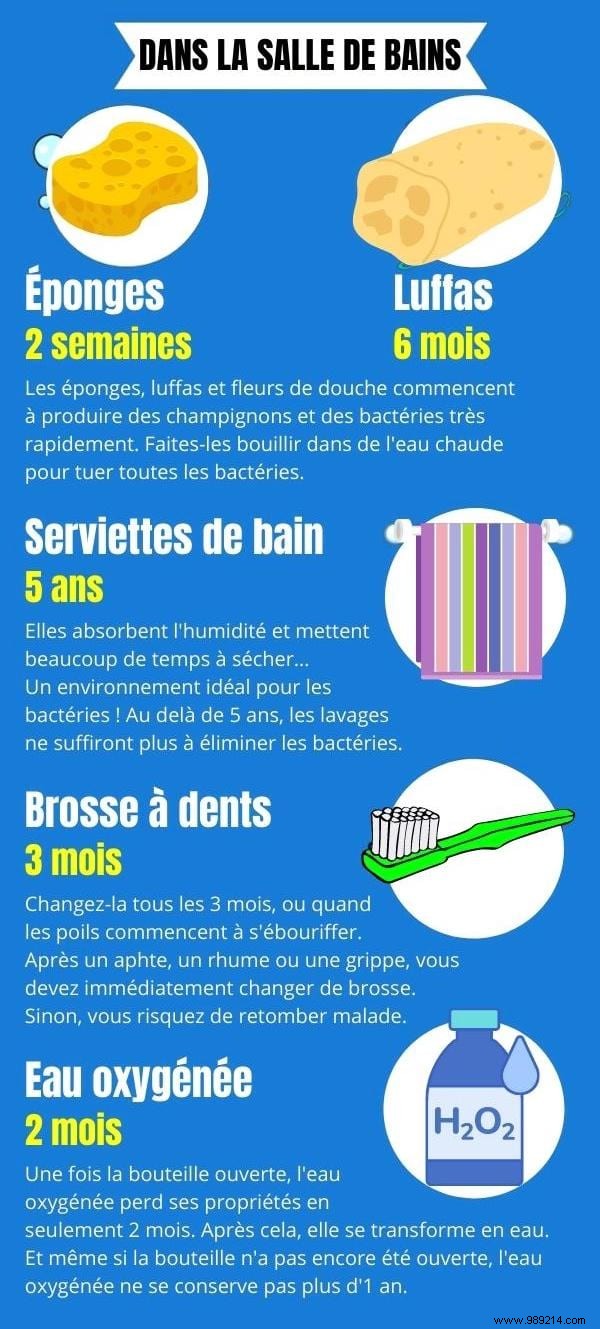


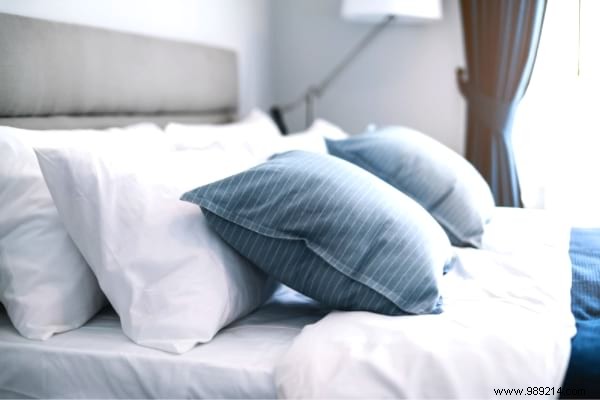
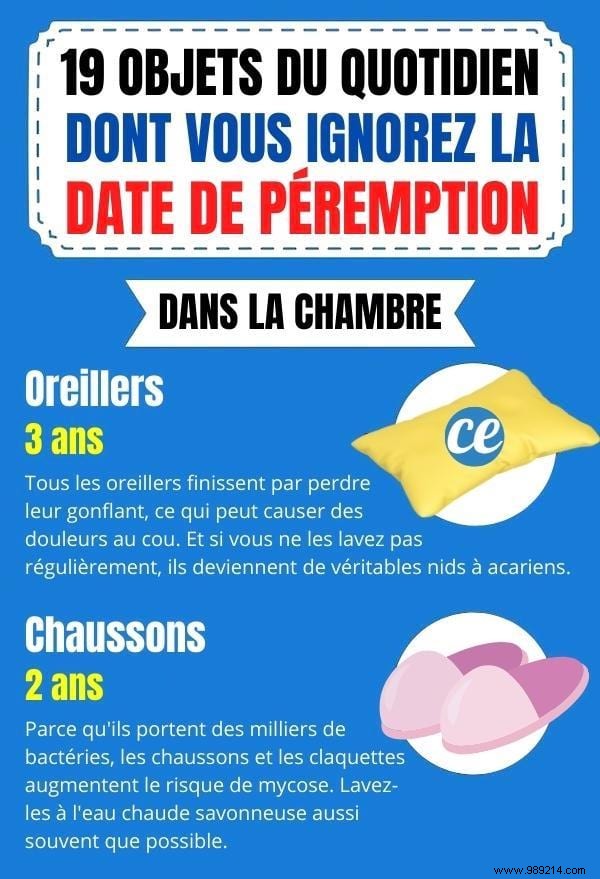
Pillows lose shape over time, leading to neck discomfort, and accumulate dust mites if not maintained. Experts estimate an average lifespan of 3 years, though high-quality feather pillows can last up to 10 years with daily fluffing and regular washing (without bleach).
Synthetic pillows flatten faster, often needing replacement every 6 months. Test yours: fold in half, place a shoe on top. If it doesn't spring back, replace it.
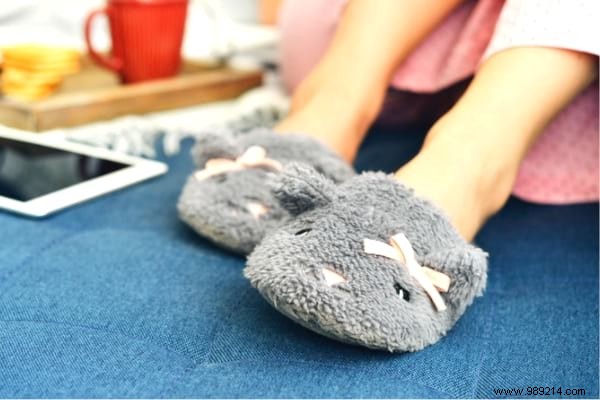
Slippers and flip-flops harbor thousands of bacteria from sweaty feet, increasing risks of fungal infections. Wash by hand with soapy water and disinfectant spray on insoles, then air dry. Replace every 2 years for hygiene.
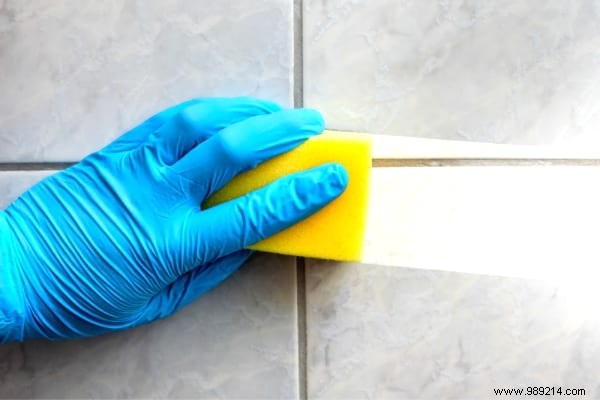
Kitchen sponges are bacteria hotspots. Replace every 2 weeks as they lose cleaning power. Avoid microwaving; instead, run through dishwasher, washing machine, or soak overnight in vinegar, baking soda, or salt.
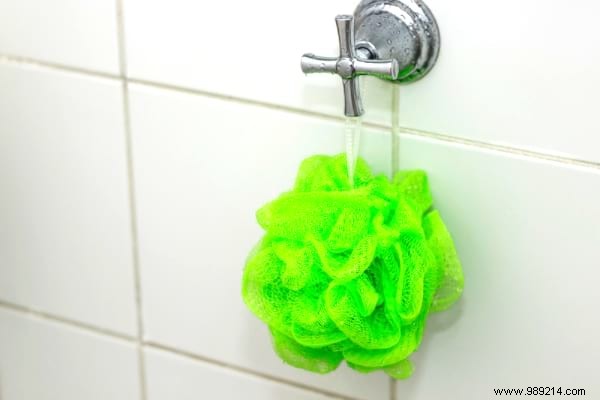
Humid bathrooms breed bacteria on these items. Boil in hot water to disinfect. Replace every 6 months; doctors often advise discarding synthetic poufs promptly for safety.
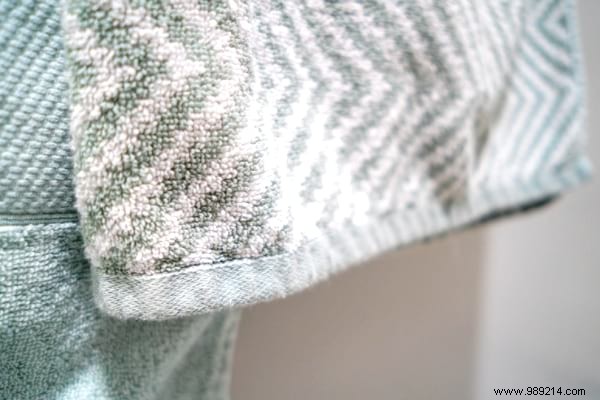
Towels retain moisture, fostering bacteria. After 5 years, even frequent washing can't eliminate them fully. Wash regularly to extend life.
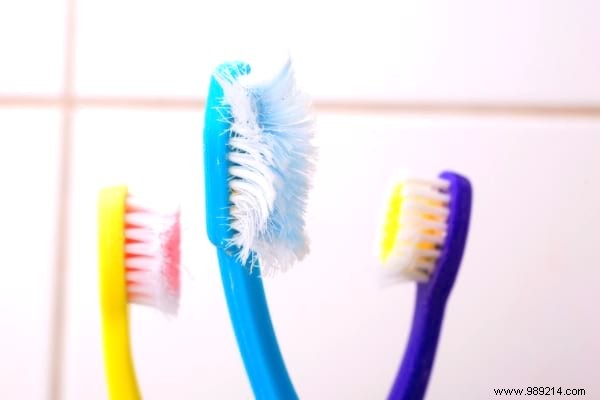
Dentists recommend replacing every 3-4 months, sooner if bristles fray or after illness to avoid reinfection. Boil for 1 minute to refresh temporarily.
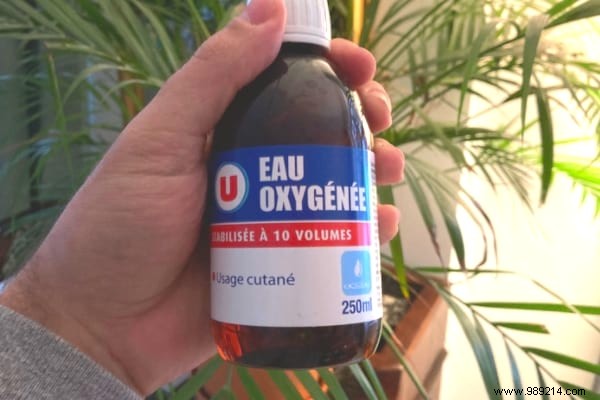
Once opened, it loses potency in 2 months, turning to water. Unopened, lasts 1 year max. Versatile for cleaning and first aid.
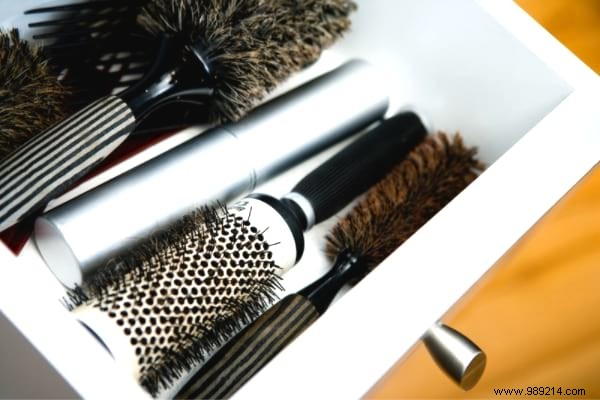
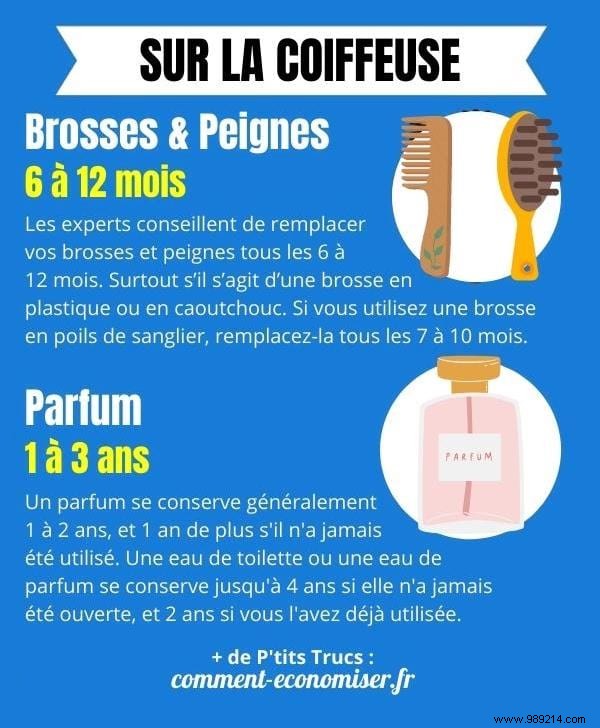
Hair tools accumulate sebum, pollution, and products. Clean weekly; replace plastic/rubber every 6-12 months, boar bristle every 7-10 months. Signs: split, limp bristles.
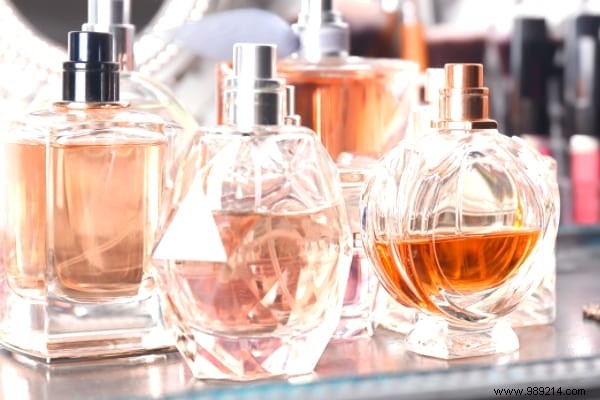
Perfumes last 1-2 years opened (3 unopened); eau de toilette up to 4 years unopened, 2 opened.
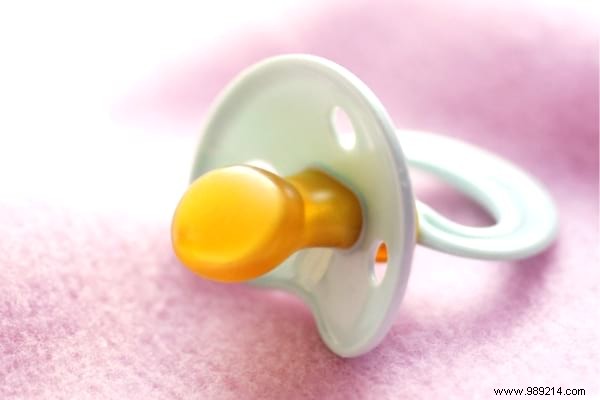
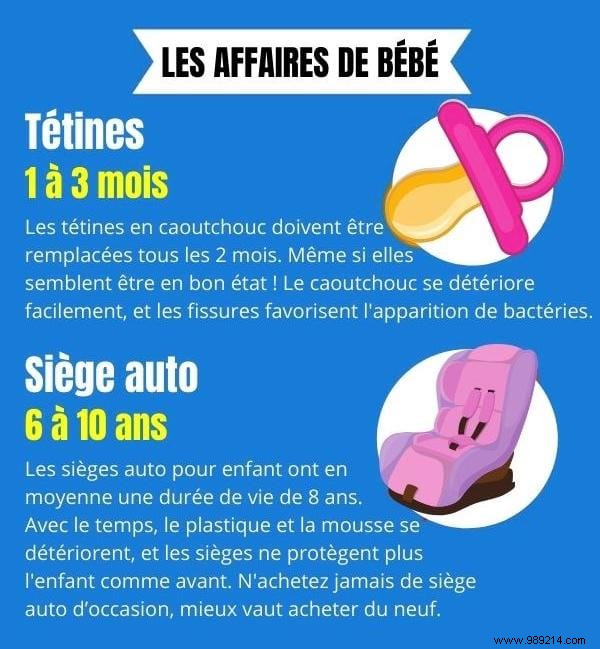
Silicone every 3 months, rubber every 2 months, even if intact, to prevent bacterial growth in cracks.

Materials degrade after 6-10 years (average 8), reducing crash protection. Avoid used seats due to unknown history.
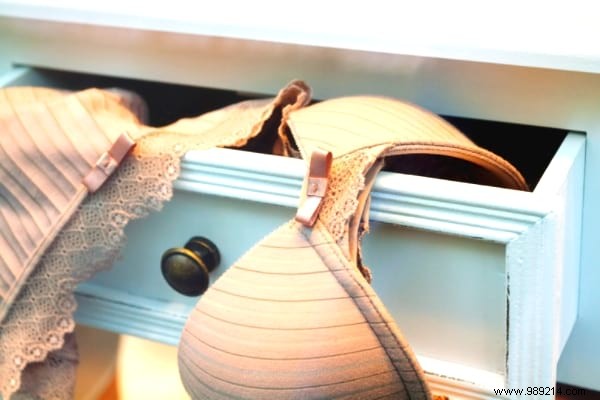
Replace if elastic fails, support weakens, or fit changes.
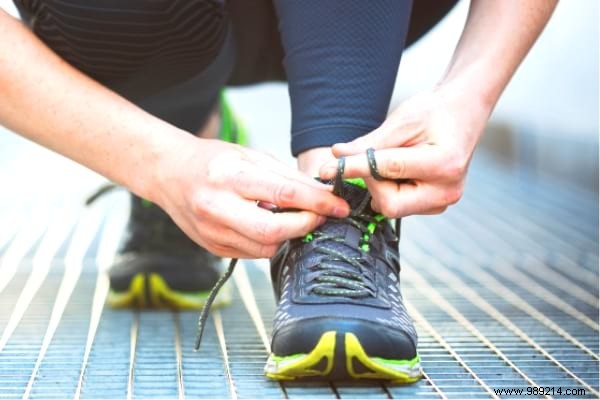
Cushioning wears out, stressing joints. Compare old and new in-store for differences.

Ground: 2-3 years; herbs: 1-3; blends: 1-2; whole: 4. Store cool, dark, dry.
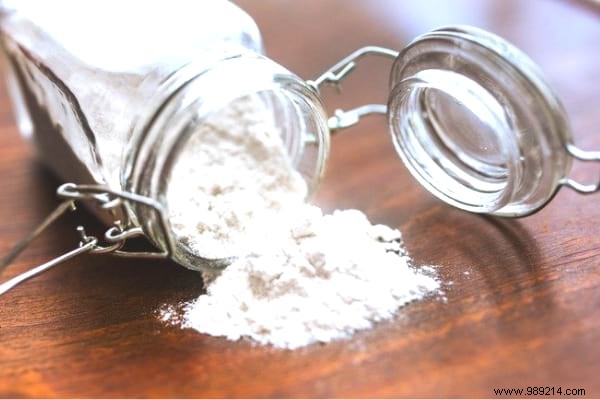
Best before 1 year (DLUO); still safe but loses baking rise. Store away from light/heat.
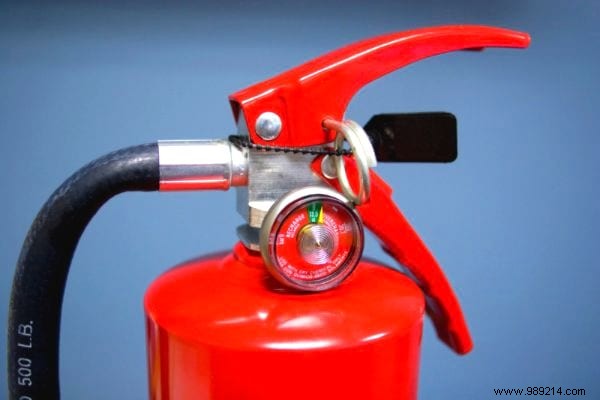
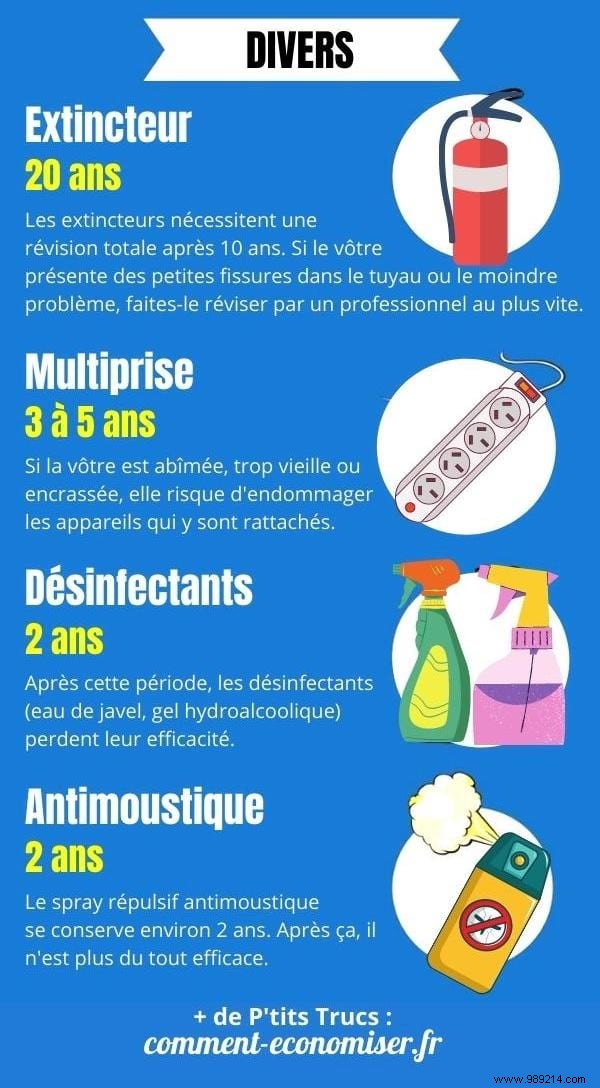
Average 20 years; service after 10. Check for cracks professionally.
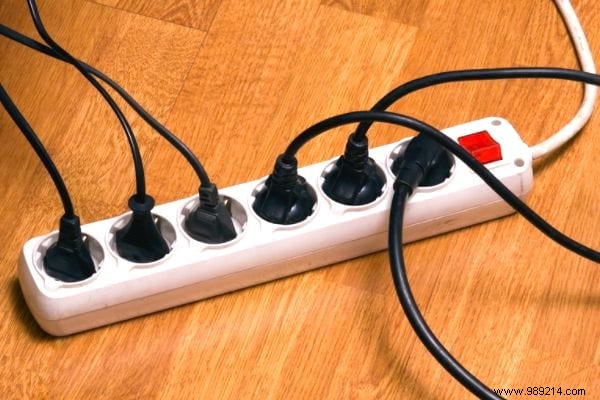
Wear increases fire risk. Keep clean, especially in kitchens.
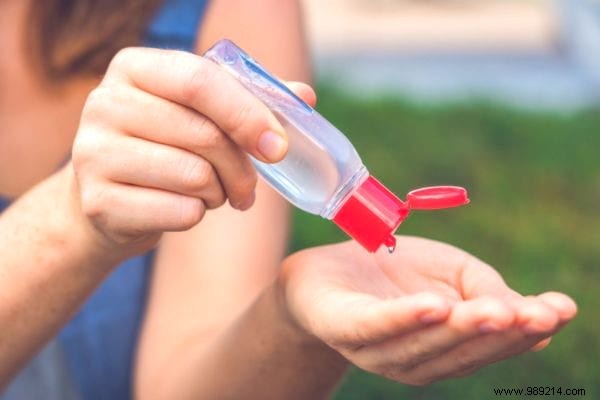
Active ingredients degrade; unlike cleaners, disinfectants expire.

Check date; ineffective after.
Replace if warm or discolored to prevent electrical fires.
