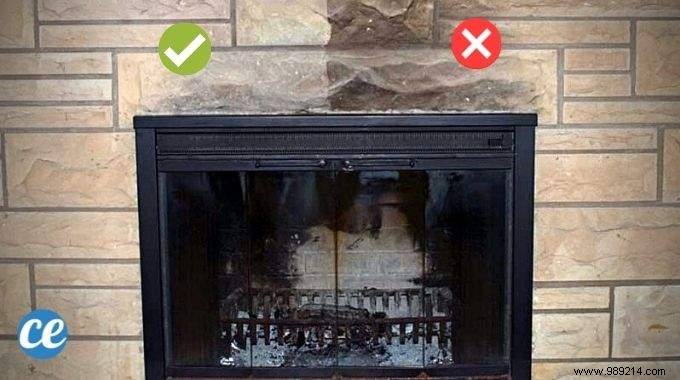
Tired of soot-blackened fireplace stones and bricks? These stubborn stains can make your hearth look neglected, but with the right techniques, you can restore them effortlessly.
As a seasoned home maintenance expert drawing from years of hands-on experience and time-tested family remedies—like those passed down from my grandmother—I've compiled 12 reliable methods to banish soot from your fireplace floor, walls, and stones. These tips prioritize safety, effectiveness, and natural ingredients where possible. Let's get started:

The simplest yet essential first step: use your vacuum cleaner. This removes loose soot and reveals the true extent of the stains. Keep the nozzle slightly off the surface to avoid scratching. For best results on fresh soot, vacuum regularly before it sets in—often, this alone does the trick.
Residue remains? Skip the damp sponge—it's a common mistake that smears soot everywhere, especially on light walls. Instead, gently wipe with a dry sponge or soft cloth. This lifts stains without spreading them.
For embedded soot, talcum powder works wonders due to its absorbency. Sprinkle generously over stains using a soft brush or cloth, let sit for 5 minutes, then vacuum or wipe away with a dry sponge.
A surprising yet effective old-school trick: fresh bread. Knead a slice into a ball—its starch absorbs soot like talc. Dab gently on stains for quick, water-free removal.
Soda crystals are a powerhouse degreaser for tough grime. Mix 1 cup into 1 liter of hot water (wear gloves), dip a nylon brush, scrub stains, and rinse thoroughly. Ideal for heavily soiled surfaces.
White vinegar cuts through stains naturally. Combine 3 glasses with 1 liter lukewarm water (add dish soap for extra power on tiles). Wipe with a cloth, rinse well. Avoid on bricks due to acidity.
Baking soda tackles stubborn spots while neutralizing odors. Wet a stiff brush with lukewarm water, sprinkle baking soda, scrub, and rinse. It's gentle, versatile, and leaves no residue.
A staple in my cleaning arsenal, black soap degreases effortlessly. Dilute a few drops in hot water, apply with a stiff brush or sponge (sponge for metal), scrub, and rinse promptly.
Clay stone (or silver stone) is a game-changer for stone surfaces. Wet a sponge, rub against the stone to load it, wipe fireplace stones, then rinse and dry. Pro tip: make your own with a simple recipe.
For deeply soiled bricks and stones, this DIY paste rivals commercial cleaners: 1 cup baking soda, 2 tbsp soda crystals, 1 tbsp citric acid, 1 tsp dish soap, and ½ cup water. Mix into a paste, scrub with a stiff brush, and rinse.
Last resort only: bleach is effective but harsh. Dilute a few drops in cold water, apply with a sponge, scrub lightly, and rinse thoroughly. Use sparingly for health and environmental reasons.
Oven spray cuts heavy soot—wear gloves, ventilate well, spray, wait 15 minutes, brush, and rinse. Not for bricks; toxicity makes it a cautious choice.
Always ensure the fireplace is cold and off before cleaning. Test solutions on a small area, wear gloves, and ventilate.
End-of-season deep clean: 1. Brush pure bleach on stones. 2. Mix boiling water with 1 capful black soap per 0.5L. 3. Scrub when cooled. 4. Add 10cl ammonia per liter if needed, apply, and let sit hours. 5. Pumice stubborn spots. 6. Re-scrub with soap mix. 7. Rinse clean.
