Dish soap is a versatile household essential, ideal for hand-washing dishes and even some unconventional tasks. However, as experienced cleaners know, it's unsuitable for certain surfaces and items due to residue risks, damage, or poor results.
Discover 10 things you should never clean with dish soap to keep your home spotless without mishaps:
 Contents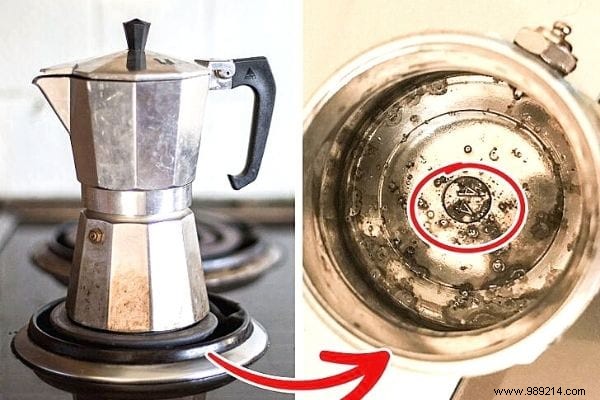
Cleaning a coffee maker with dish soap isn't advisable, especially for an Italian Moka pot. It's hard to rinse completely, leaving soapy residue that ruins your morning brew's flavor.
Thorough rinsing multiple times can wear out the equipment. Instead, rely on proven vinegar-based methods for safe descaling.
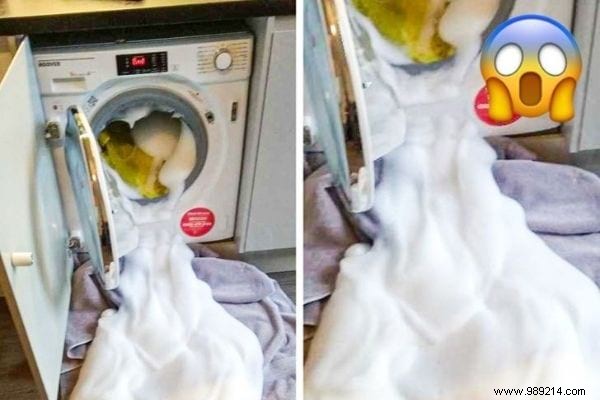
Your washing machine needs regular maintenance, but never use dish soap—loaded or empty. The excessive suds will overflow, creating a soapy mess and potential machine damage.
Opt for specialized cleaners or white vinegar for effective, foam-free results.
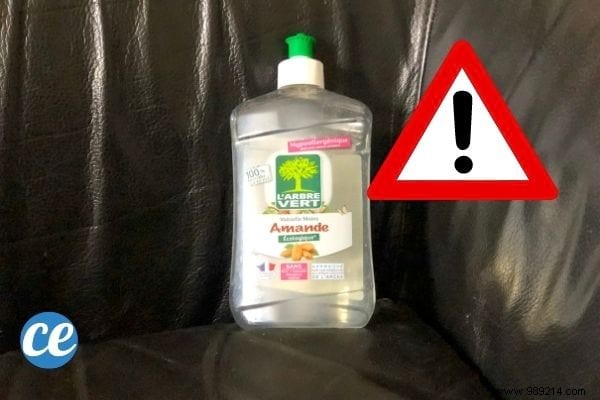
Leather sofas, jackets, or upholstery demand gentle care. Dish soap is too harsh, stripping natural oils and causing it to lose suppleness and shine.
Rinsing requires excess water, risking water spots. Use conditioning cleaners or time-tested natural recipes to clean and nourish leather properly.
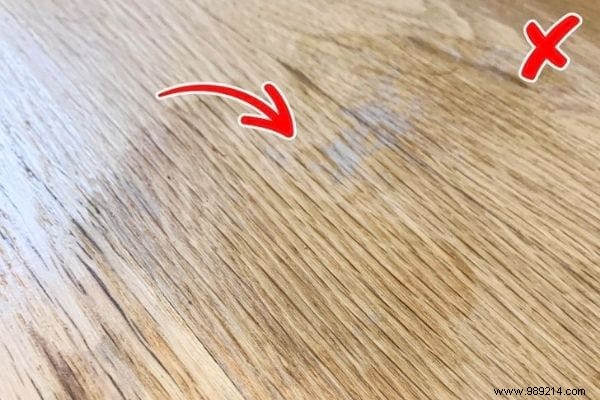
Dish soap works on tiles or vinyl, but raw wood floors? It can cause discoloration and stains by penetrating the wood.
Dust first with a broom or vacuum, then mop lightly with water. For varnished floors, try a gentle homemade polish.
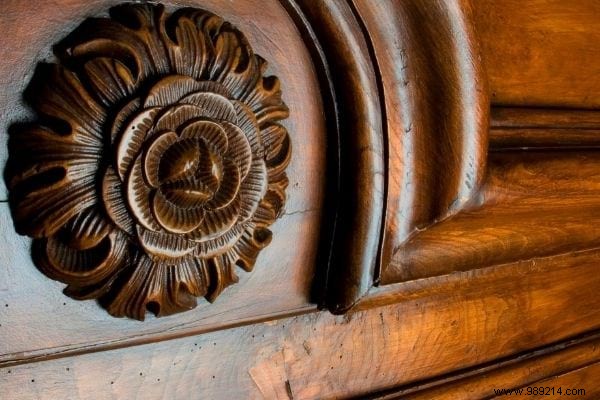
Skip dish soap on wooden furniture unless it's kitchen-grade and durable. Fragile pieces can dry out or strip.
Choose wax-based or natural cleaners to preserve and nourish wood's beauty over time.
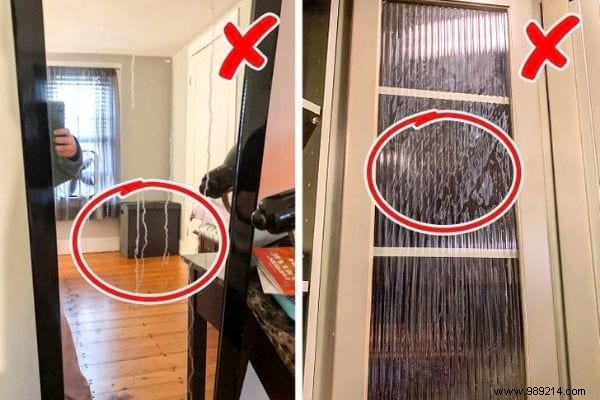
Dish soap degreases well but often leaves streaks, requiring endless rinsing for streak-free shine.
A diluted homemade solution with just a drop of soap mixed with vinegar delivers professional results without residue.
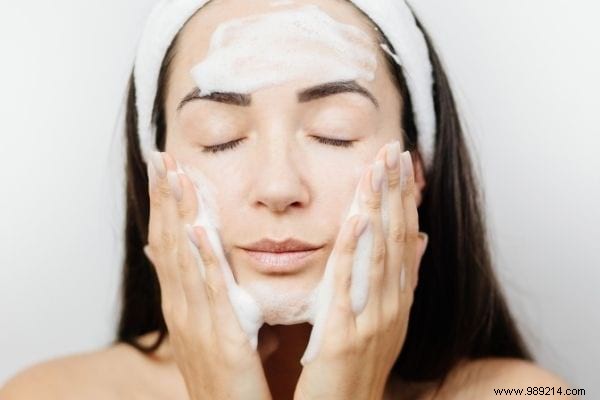
Avoid dish soap on hair, body, or especially your face. Its strong detergents create a harsh stripping effect on delicate facial skin.
Stick to pH-balanced skincare formulated for gentle cleansing.
Dish soap tempts for tough grease, but it strips the prized seasoning that makes cast iron nonstick.
Scrub with coarse salt and hot water daily; reserve soap for occasional deep cleans to maintain performance.
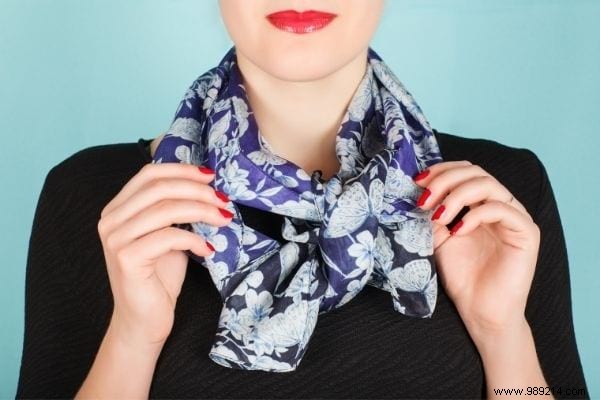
Silk garments or scarves are too delicate for dish soap, which can dull fibers and cause irreparable damage—especially costly for luxury items.
Mild shampoo or specialized silk cleaners are safer bets.
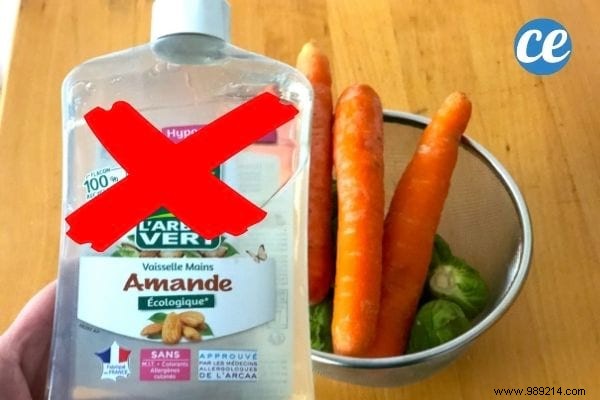
Pesticide concerns are valid, but dish soap isn't food-safe. Residue can seep into produce, altering taste and posing health risks.
Use a vinegar-water soak or baking soda solution for effective, safe pesticide removal.
