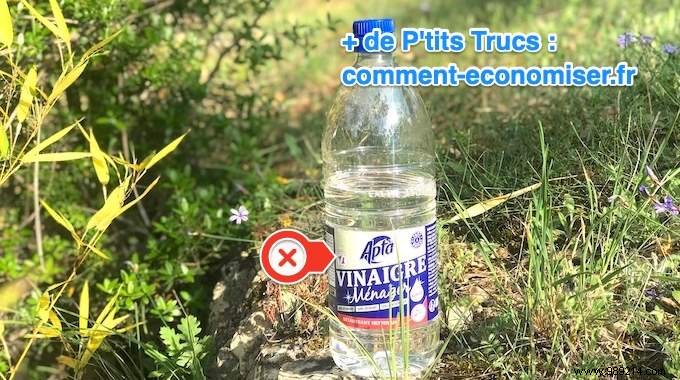
White vinegar is a powerhouse multi-purpose cleaner—economical, effective, and all-natural. As cleaning enthusiasts at comment-economiser.fr, it's our go-to for homes and gardens. But even this versatile staple has limits. Here are 8 things you should never clean with white vinegar to avoid damage. Watch out:

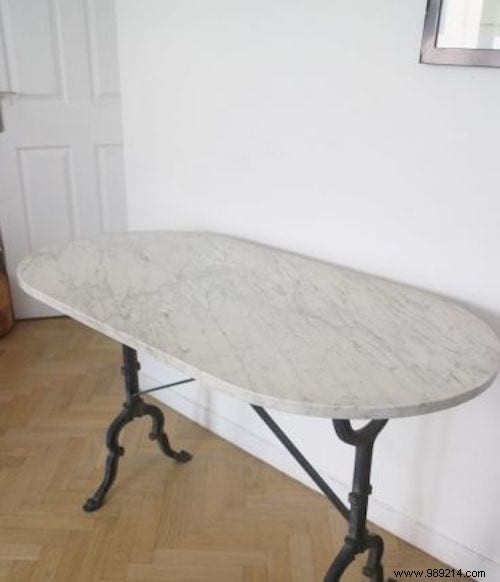
Acidic cleaners like white vinegar can etch the polished surface of granite or marble countertops and tables, leading to dullness or discoloration. Based on real-world testing, opt for this safer natural mix instead: 5 drops of dish soap, 8-10 drops of rubbing alcohol, and 200ml of water. It cleans, shines, and restores stained marble or granite without harm.
To discover: Tarnished marble? How to Restore All Its Shine Easily.
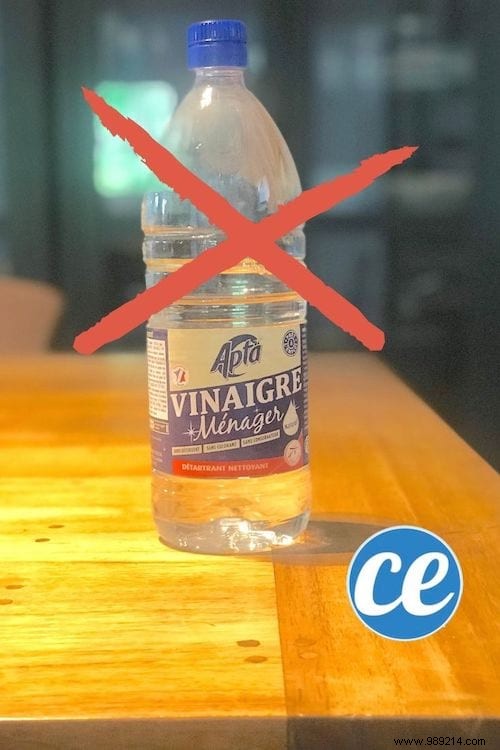
Vinegar dissolves the protective wax layer, leaving wood raw and dull. Preserve your investment with a homemade wax-based cleaner. Discover the recipe here.
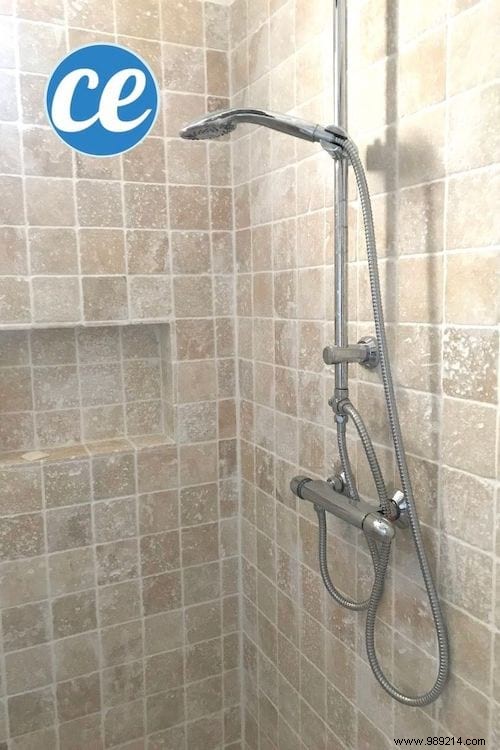
Skip vinegar, lemon, or ammonia on stone tiles—they etch and tarnish the surface, with costly polishing repairs to follow. Use this proven trick for stone, concrete, marble, sandstone, or ceramic tiles instead.
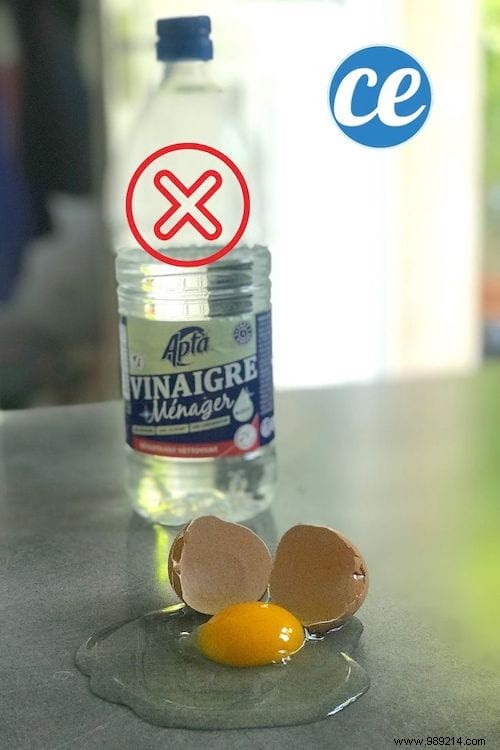
Vinegar coagulates egg proteins on contact, making stains tougher to remove. For floor messes, hot water and liquid soap (like black or Marseille) work best. On clothing, try this simple yolk stain remover.
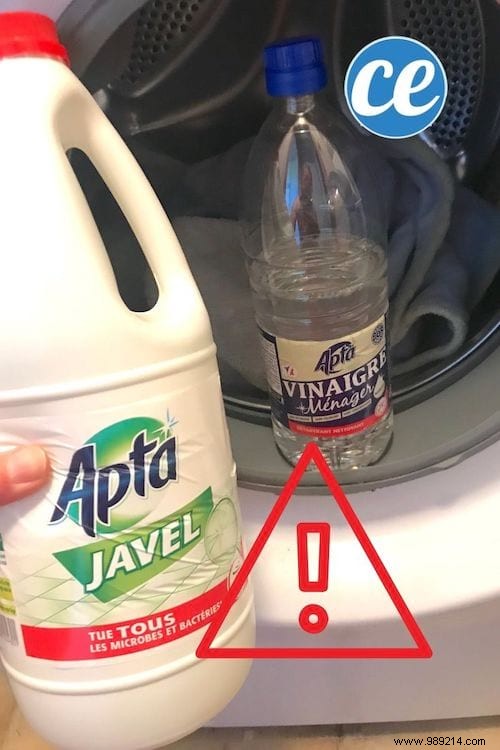
Vinegar shines in laundry by banishing odors and grime—but never mix it with bleach. The combo releases toxic chlorine gas, endangering health and ruining fabrics. To discover: 4 Natural Products You Should NEVER Mix!
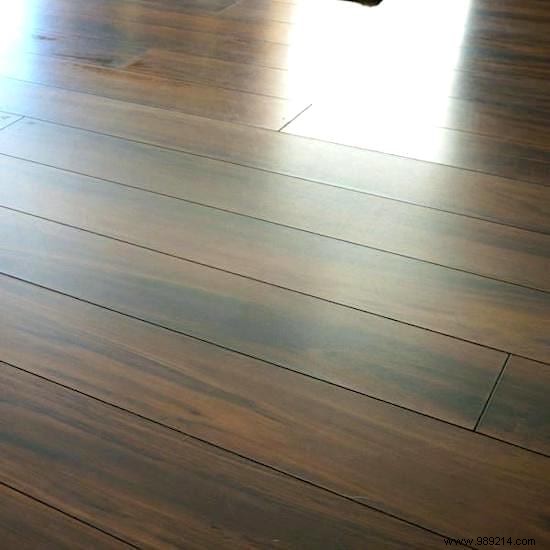
Vinegar may strip finishes on certain wood floors. Stick to wood-specific cleaners, or dilute vinegar heavily per this homemade recipe for sparkling, undamaged results. For zero risk, use black soap (tip #2). Master any floor with our pro cleaning guide.
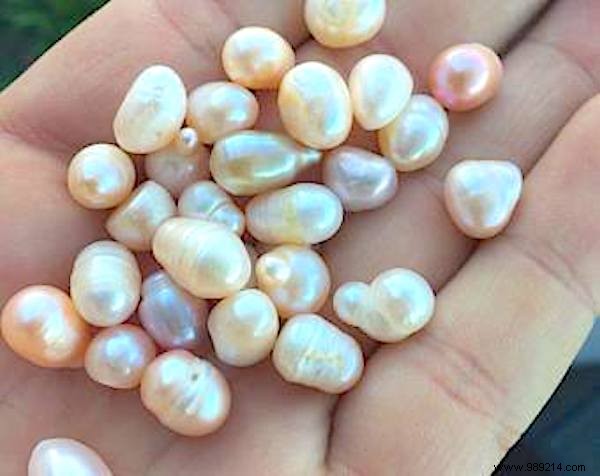
Pearls' calcium carbonate reacts with vinegar's acid, causing irreversible damage. Gently wipe with a damp soft cloth. Polish 1-2 times yearly with olive oil on a cloth—for necklaces or rings.
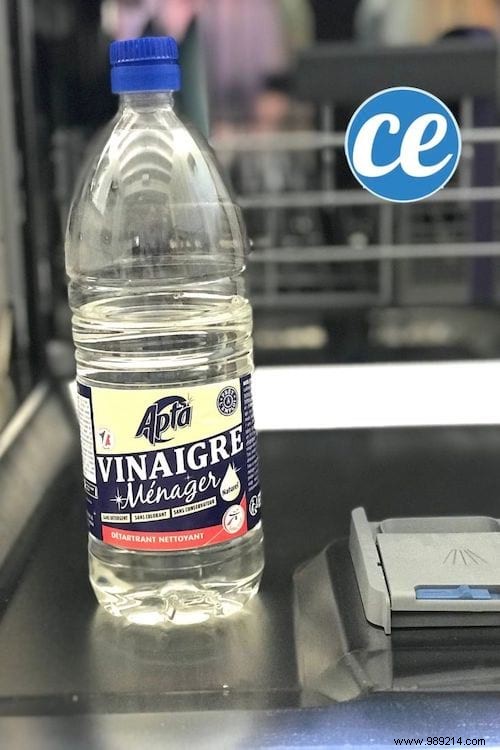
We love vinegar for descaling dishwashers (and washers) naturally. It's safe for most seals like natural rubber, silicone, or Teflon in Samsung, Whirlpool, etc. Avoid on polyacrylate, fluorosilicone, or Buna-N—prolonged contact can degrade them. Rinse cycles dilute it anyway, minimizing risk—just don't let it sit.
Know other no-gos for white vinegar? Share in the comments—we'd love to hear from our community!
