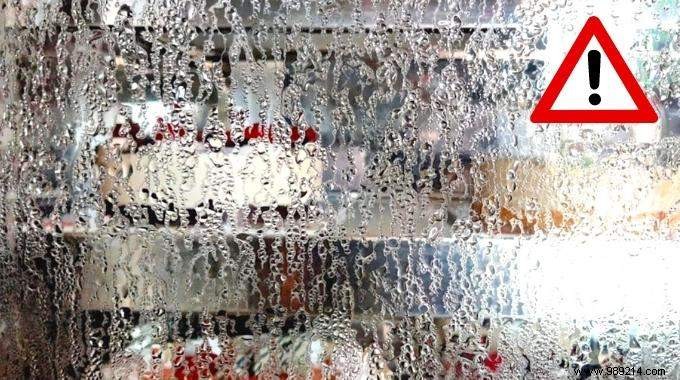
Noticed condensation building up in your fridge, with water trickling down the walls? As a homeowner who's tackled this issue firsthand—thanks to advice from my trusted fridge technician—I'll show you how to eliminate it and prevent it from returning. Excess moisture harms fridge performance and food hygiene, so addressing it promptly is essential.
Here are 8 proven, quick fixes to stop condensation inside your fridge:
 Contents
 Condensation typically forms due to temperature differences. When warm outside air meets the cold interior, moisture in the air condenses into water droplets. This happens in any fridge—classic, frost-free, or American-style—and must be addressed to maintain efficiency and hygiene.
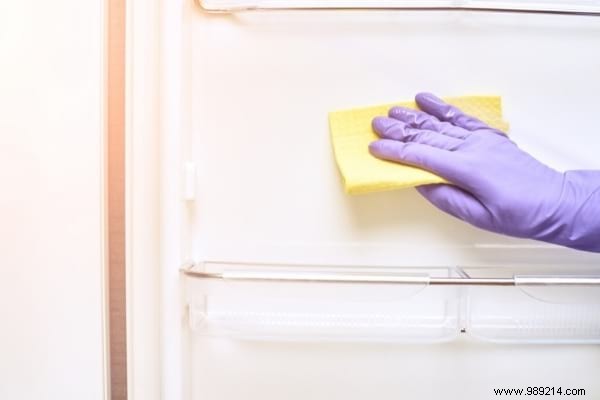
Water often pools along walls or under the vegetable crisper. Start by wiping it with a clean, dry cloth. Remove the crisper drawers and thoroughly dry the area and walls. This prevents frost buildup, which raises energy use and strains the compressor.
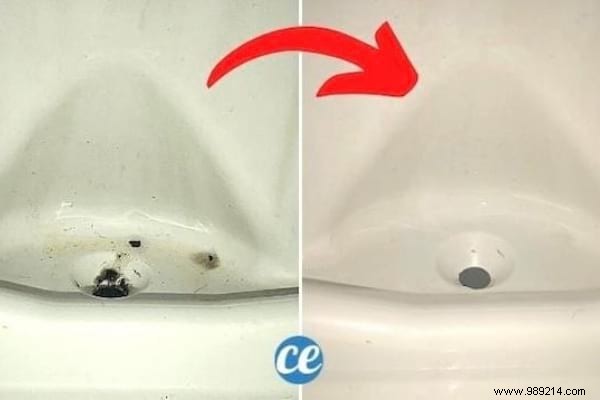
That small hole at the fridge's back or bottom? It's the drain for condensed water. It often clogs with debris or mold. Use a pipe cleaner, cotton swab, or warm water flush to clear it—a simple fix I've used successfully for years.
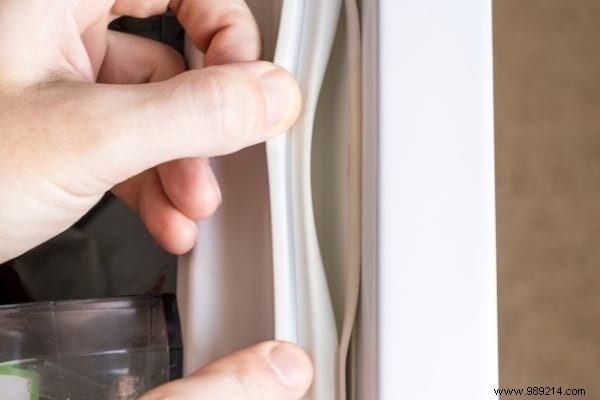
Temperature fluctuations from poor seals worsen condensation. Inspect the gasket for cracks, dirt, or wear. Clean it thoroughly, then test for airtightness by closing a dollar bill in the door—if it pulls out easily, replace the seal. New ones are affordable and easy to install.
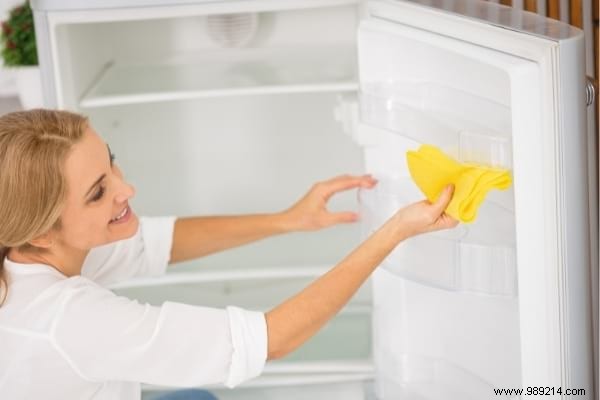
For frost-free models, defrost and deep clean twice yearly. Empty the fridge, then wash shelves and interiors with a baking soda-water solution. This routine, recommended by technicians, removes residue that promotes moisture.

When cooking, grab everything at once instead of repeated openings. Each time, warm air rushes in, causing condensation. Close doors promptly to minimize this common issue.

Never store hot leftovers directly in the fridge—it introduces steam and spikes humidity. Let them cool to room temperature first on the counter, preserving fridge efficiency and food quality.
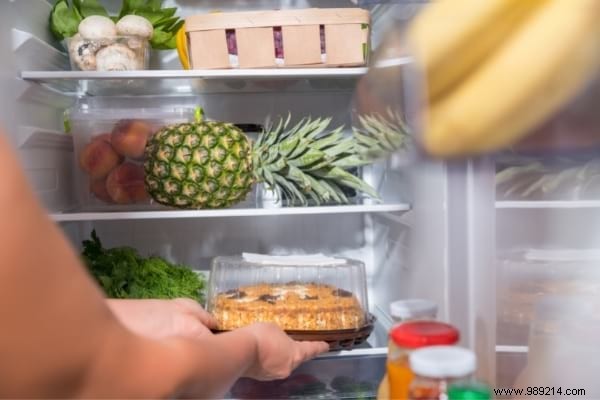
The back wall generates cold air, so avoid direct contact—it overworks the cooling system, freezes items, and creates thaw water that fuels condensation. Leave space for airflow.
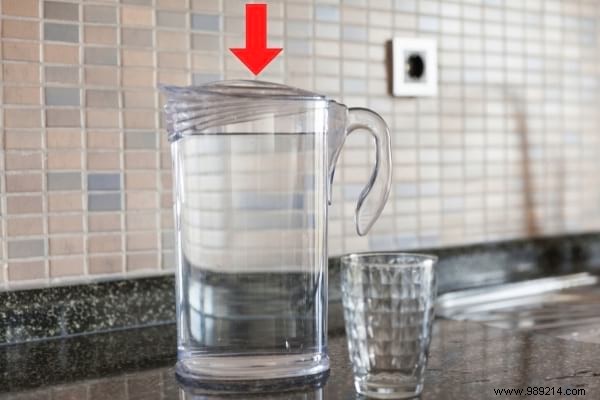
Wet foods or open containers evaporate, adding humidity. Wipe everything dry before storing and cover pitchers or bowls. These habits drastically reduce interior moisture.
