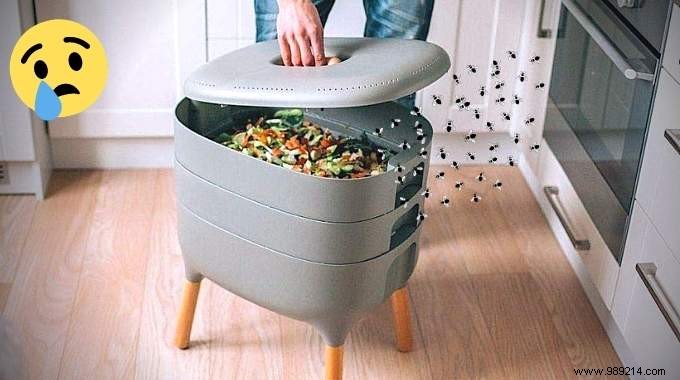
Noticed gnats or flies buzzing around your vermicomposter? It's a common issue, especially when you lift the lid. Even if you're following best practices, these pests can still appear.
Recycling kitchen waste with worms is rewarding, but nobody wants flying intruders. The good news? Simple, effective strategies can prevent and eliminate gnats in your compost bin.
Here are 15 practical tips for a healthy, insect-free vermicomposter. Read on:
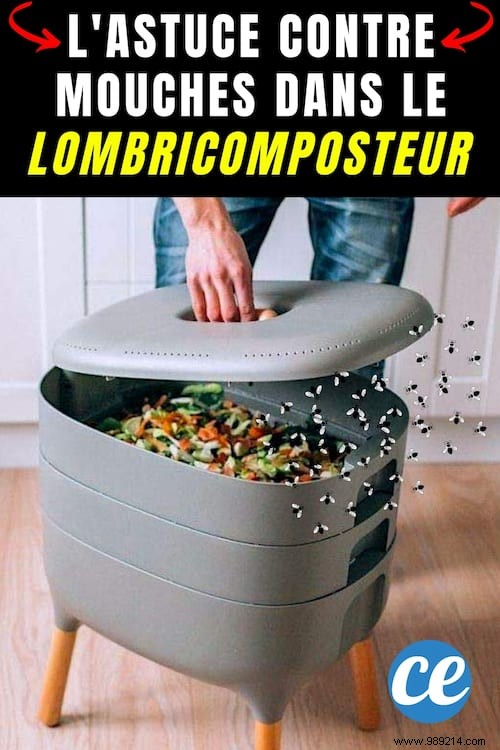
Proactive steps are key. Deny flies any chance to lay eggs by following these preventive measures.
This straightforward habit works wonders. A sealed lid prevents flies from entering and laying eggs. Make it routine after every use.
Don't let scraps sit on the counter—flies can lay eggs quickly, especially in warm weather. Feed your worms immediately.
Cover fresh waste with cardboard or bedding. Flies prefer exposed food, so this hides it effectively. Bonus: Cardboard is compostable.
If gnats have invaded, don't worry—these targeted fixes will clear them out fast.
Excess humidity fuels fly breeding. Balance it by adding shredded paper, cardboard, or sawdust, which also neutralizes odors.
Wipe surfaces with a vinegar-soaked sponge to remove fly pupae and disrupt their lifecycle.
Place a tea towel or fabric over the top. Infuse it with lavender or lemongrass essential oils for natural repellency.
Hold off on additions for 2-3 weeks. Starved of food, flies won't reproduce, and the population will dwindle naturally.
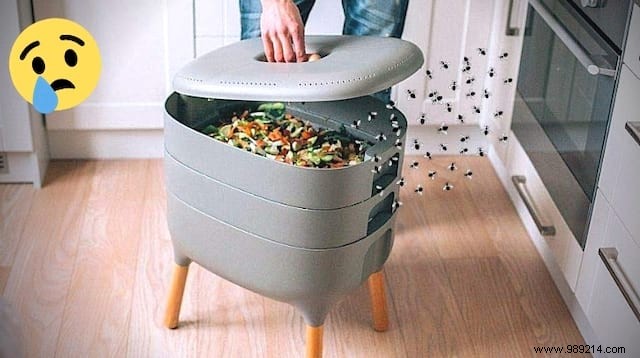
Position a bottle with wine residue (or apple cider vinegar) nearby. Gnats are drawn in and drown—simple and effective.
This absorbs excess moisture between levels, creating a drier environment that deters breeding.
Relocate to a cellar, garage, or shaded outdoor area. Cooler temps slow gnat activity. Check building rules for shared spaces.
For wooden bins, mix black soap, water, and lavandin oil. Brush it on—the scent repels flies effectively.
Sprinkle straw over the top layer to wick away moisture and block access.
Collect leachate from the bottom—use undiluted as weed killer or diluted as fertilizer. Worms are multitaskers!
Hose down trays, lid, and collectors with water and a brush. Add vinegar for extra sanitation against larvae.
Replace worn mats promptly. Fresh ones absorb better and smother eggs/larvae.
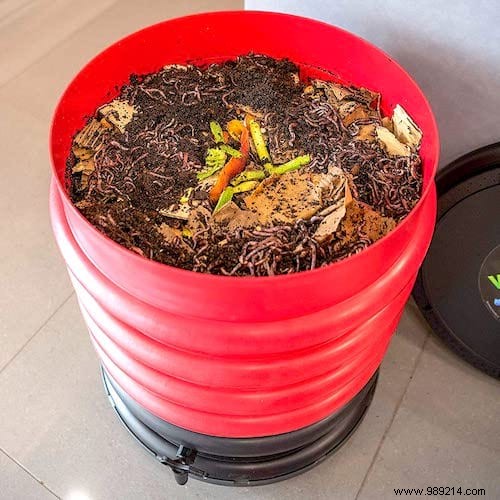
As a vermicomposting enthusiast with over 3.5 years of experience running one in my Annecy apartment, I can vouch for its benefits—gnat-free, that is!
The model shown above has been my daily go-to: compact, efficient, and user-friendly. Highly recommended for beginners and pros alike.
