As experienced gardeners know, consistent watering is essential for a vibrant garden. But during dry spells or intense heat, how do you maintain healthy plants without wasting tap water?
Fortunately, proven techniques allow you to irrigate efficiently, preserve soil moisture, and slash your water bill. Drawing from decades of practical gardening wisdom, here are 23 expert tips to save tons of water:
 Contents
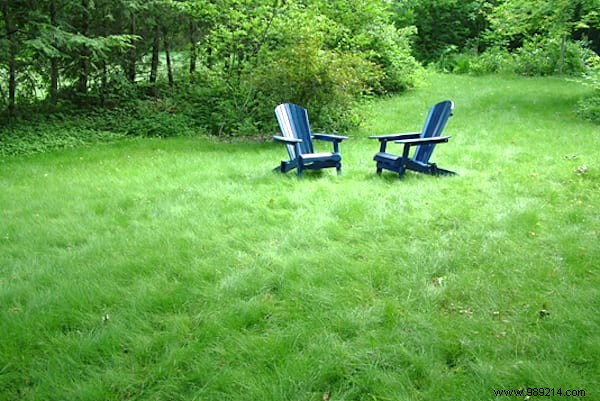
Lawns are notoriously water-hungry, especially in dry seasons. Switch to a clover lawn for better results—Clover is hardier, thirstier-resistant, and needs less mowing than grass.
In scorching summers, let it go dormant; it will rebound with fall rains.
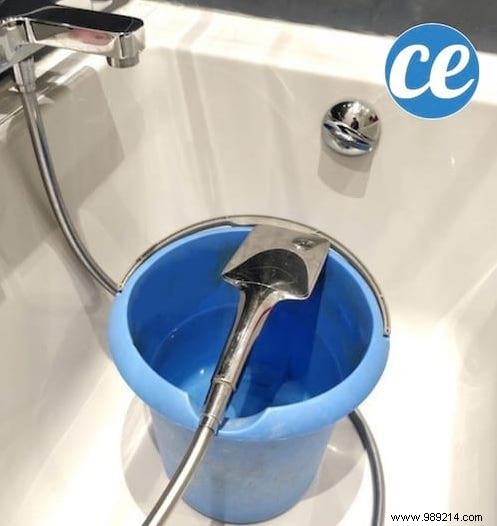
Reuse greywater from showers, vegetable rinses, or kitchen sinks to irrigate patio plants or garden beds. Even soapy water works for cleaning tools, patios, or pet bowls.
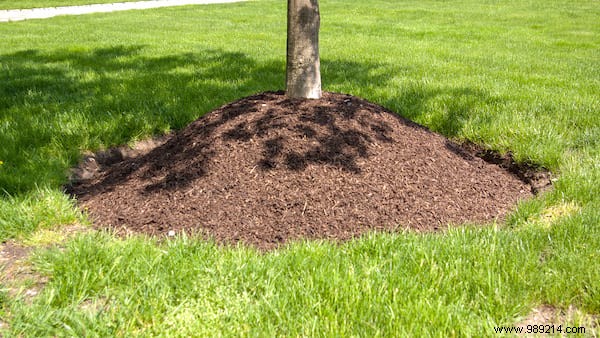
Apply a 7 cm layer of mulch—straw, pine bark, grass clippings, cocoa shells, flax, compost, or sand—to lock in moisture, reduce evaporation, space out waterings, and suppress weeds.
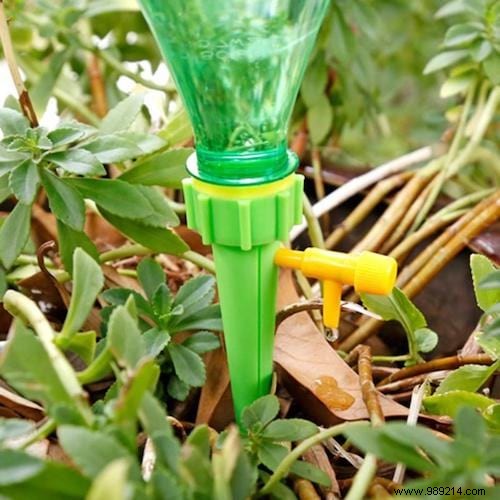
Attach a bottle teat to plastic bottles, fill with water, invert, and plant in soil for slow, steady release. Perfect for vacations—plants stay hydrated effortlessly.
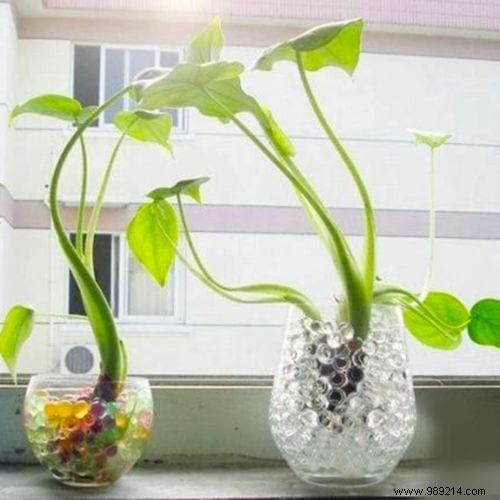
Mix hydrogel or gelatinous balls into soil; they absorb water like a sponge and release it gradually during dry periods. Ideal for potted plants.
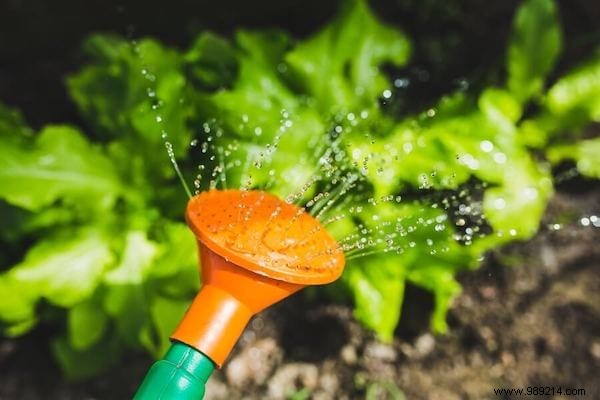
Avoid daytime watering—sun evaporates it quickly and can scorch leaves. Evening sessions let water soak in overnight without loss.
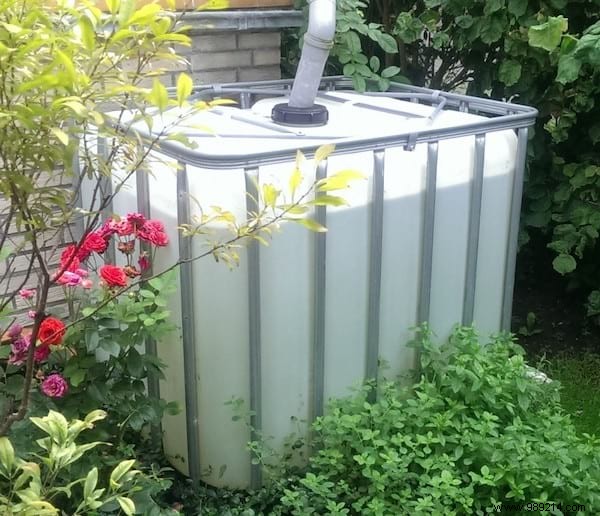
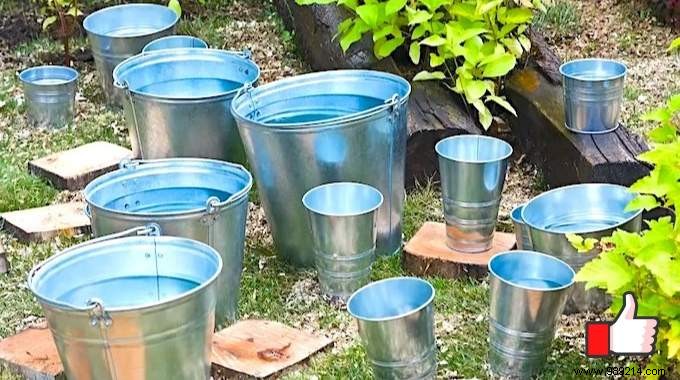
Capture free rainwater with gutter-connected tanks or cisterns. This reliable source ensures you'll never run short, even in dry months.
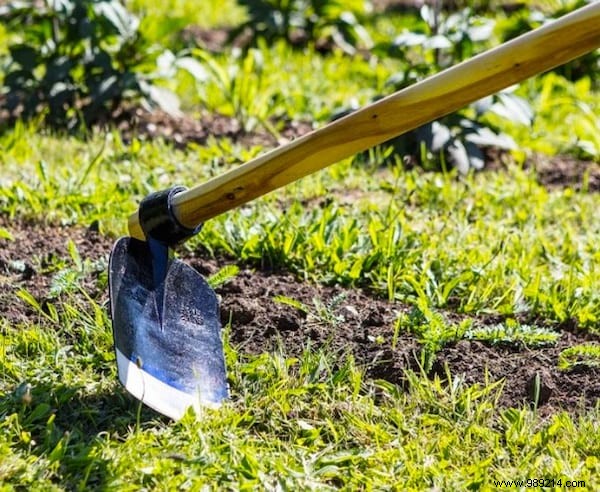
Regularly hoe the soil to break surface crusts, improving water penetration and retention. As old gardeners say, "One hoeing equals two waterings."
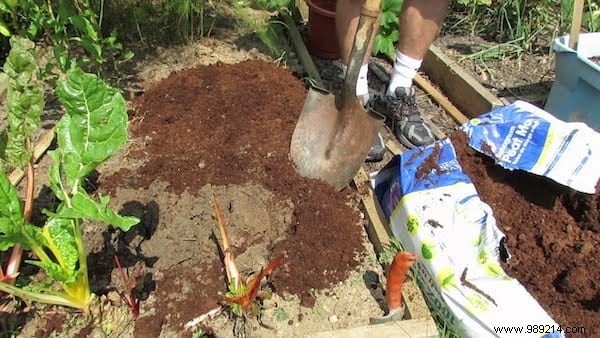
Boost soil with organic matter like compost or peat, which acts as a natural sponge to hold moisture longer and reduce watering frequency.
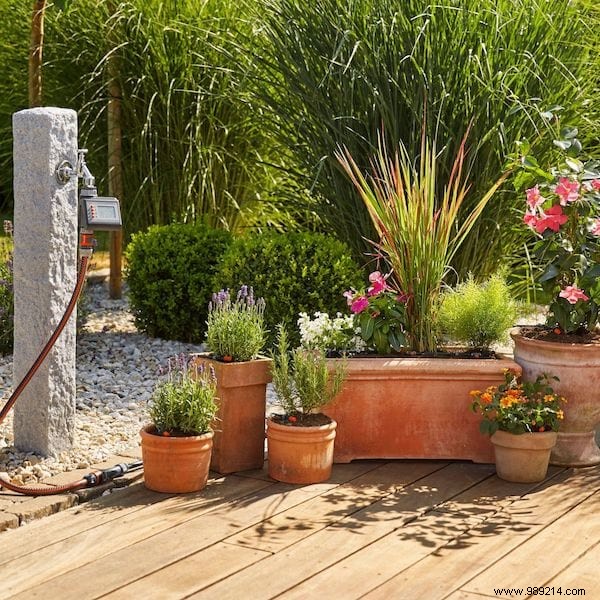
Repot into bigger containers—larger soil volumes retain moisture better, meaning less frequent watering.
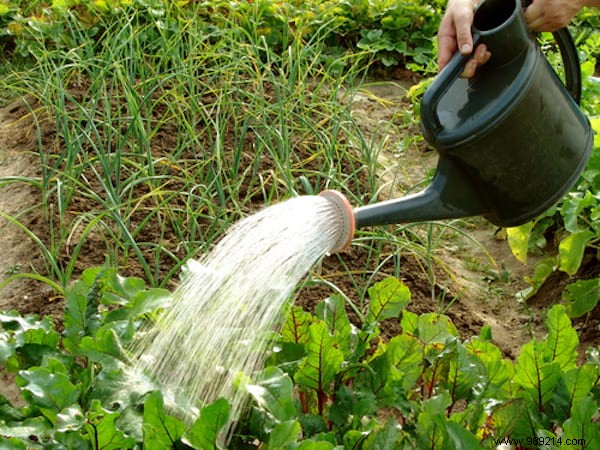
Skip daily light sprinkles. Deep water every 4-5 days to encourage roots to reach moist deeper layers, avoiding surface drying.
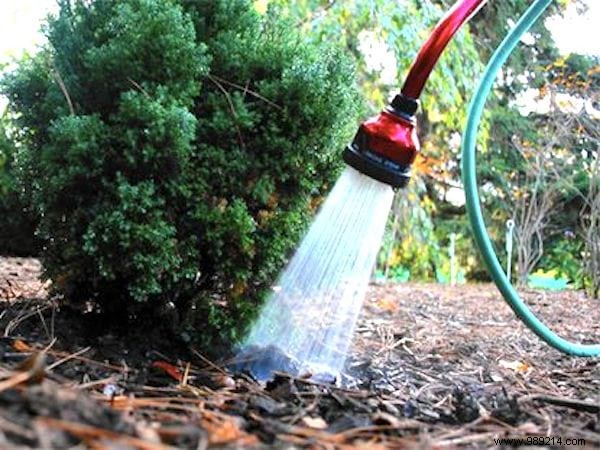
Focus on the plant base, not leaves or wide areas—roots get what they need efficiently. Wet foliage invites diseases.
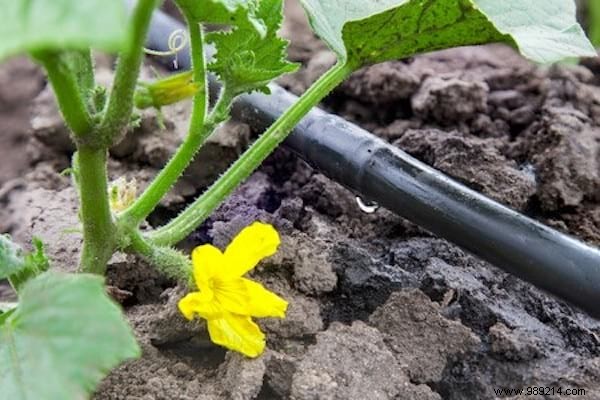
Drip irrigation delivers precise, steady water. Pair with a timer for automated, efficient use—even when you're away.
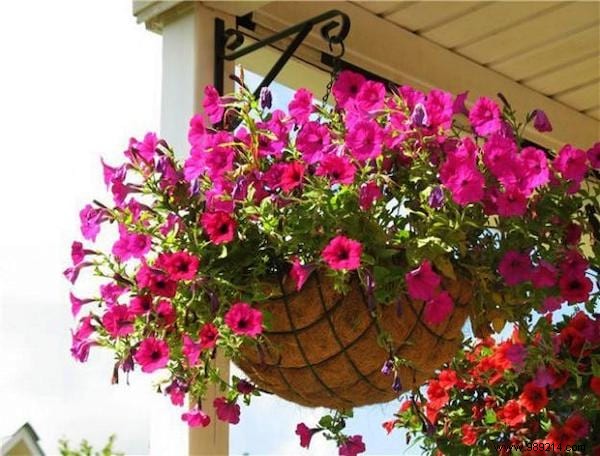
Hanging planters dry out fast, needing twice-daily water in heat. In dry climates, opt for ground-level pots to conserve water.
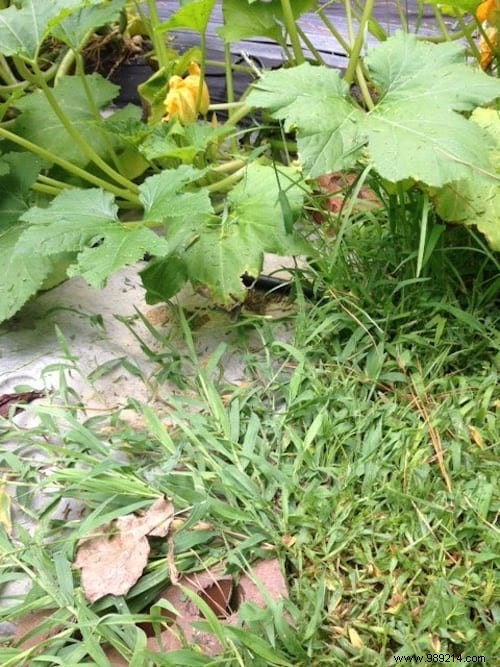
Weeds steal water—remove them by hand or hoe, then mulch with them. Discover: 7 Powerful and Easy-to-Make Weed Killer Recipes.
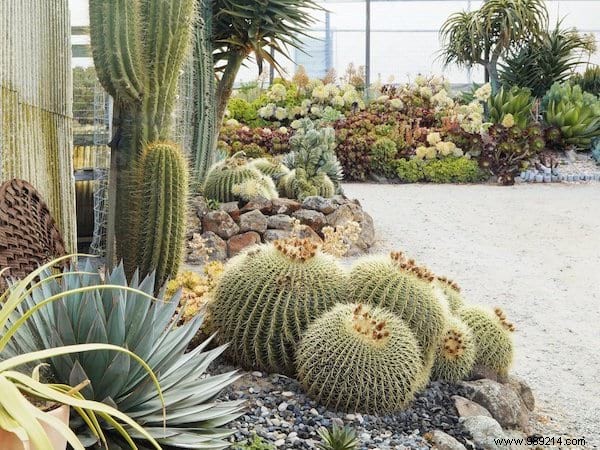
Select regionally adapted, drought-tolerant species to match your climate and minimize watering needs.
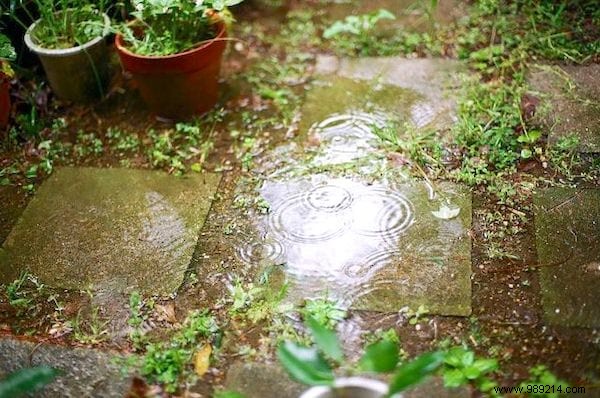
Consult forecasts before watering—skip if rain is imminent to avoid waste.
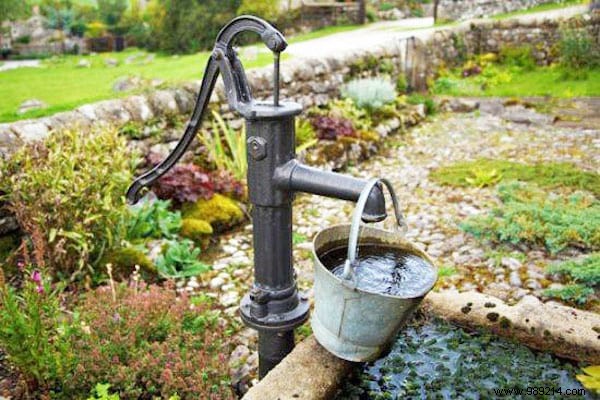
Tap into wells or groundwater with pumps instead of municipal supply. Consider a dowser for new sources on your property.
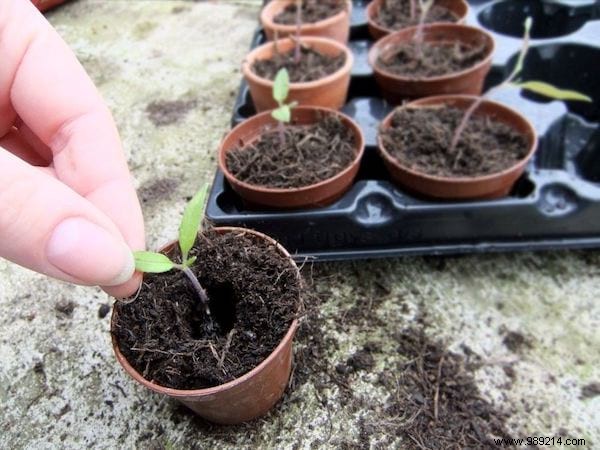
When transplanting, trim excess foliage or buds—plants focus on roots, using less water initially.
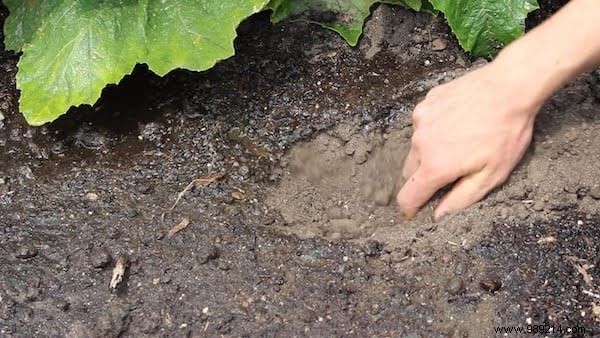
Dig 20-30 cm deep; if moist, hold off. Use sensors for automated systems to water only when needed.
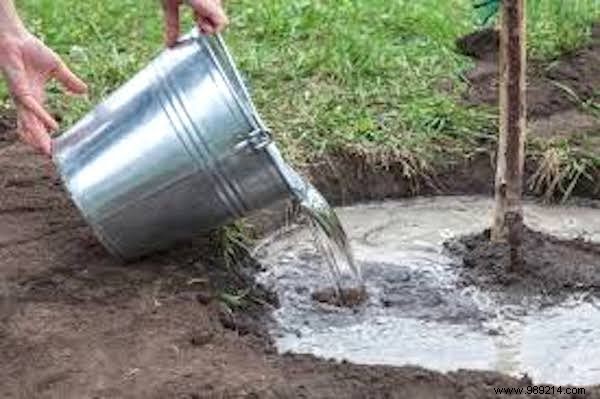
Create soil basins around plants like tomatoes or zucchini to pool water. In veggie gardens, add furrows for even distribution.
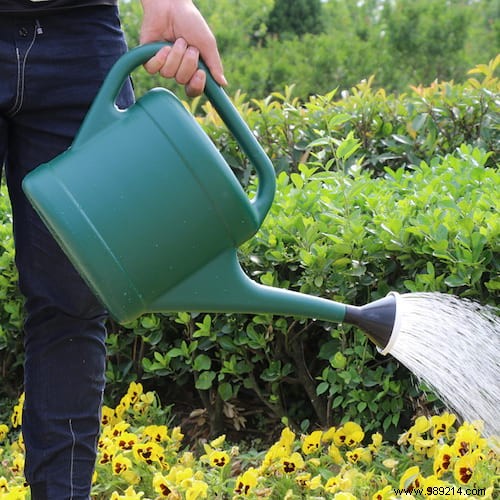
Water once to soak, then again after absorption—the second pass reaches roots deeper, using water more effectively.
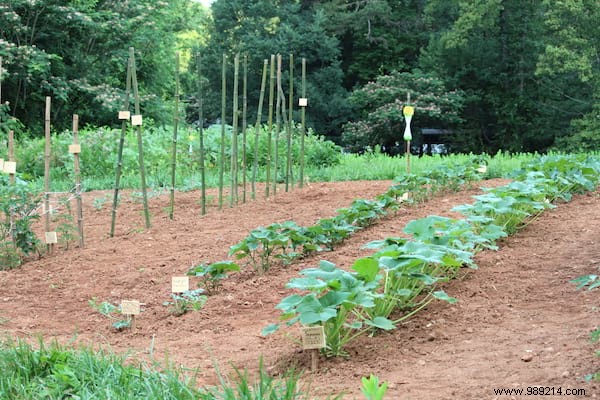
Mounded beds let water run off. Plant in slight depressions to capture and retain runoff near roots.
