Unsure if you're overloading your washing machine? It's crucial for getting truly clean laundry—and protecting your appliance from costly damage.
I've been there: I once crammed in too many clothes, and my machine broke down. Luckily, the repair technician shared this foolproof tip to check if it's too full.
The trick? Simply test with your hand to see if there's enough room in the drum. Here's how:
 Contents
 1. Load your clothes into the machine.
2. Press down gently to compact them slightly.
3. Wait a few seconds for the clothes to expand back up.
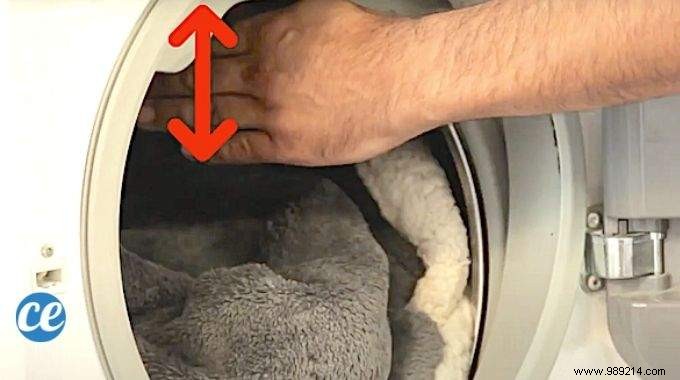
4. Slide your hand vertically between the top of the clothes and the drum's seal at the top.
5. If your hand slides in easily, you're good—no overload.
6. If it touches the clothes or seal, remove some laundry.
Now you know exactly how to load your washing machine properly. Simple, quick, and effective!
Make this check a habit, especially with bulky items like towels, sheets, duvets, sleeping bags, or blankets that expand when wet.
For precise loading, refer to a clothes weight chart.
The process is identical: Load, compact, wait, then slide your hand vertically.
If fingertips touch the clothes but your hand fits fully inside the drum, it's fine.
If your hand sticks out, you've overloaded—remove some items. Easy, right?
Overloading leads to poor cleaning: Clothes need space to move freely in water and detergent.
It can also cause imbalance during spin, trapping moisture and leading to musty odors even after washing.
During the spin cycle, heavy loads clump to one side, preventing proper spinning. Result? Soggy, unclean laundry that smells off.
Overloading stresses the machine's mechanics, causing excessive shaking or even walking across the floor.
This shortens lifespan and risks breakdowns. Don't learn the hard way—proper loading saves money and hassle.
