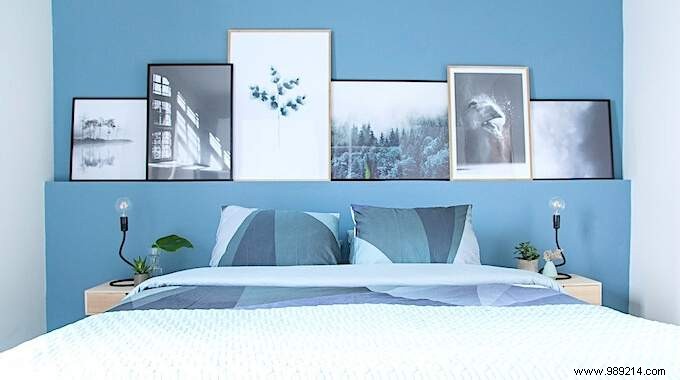
Choosing the right wall color for your bedroom can transform it into a restful sanctuary. As an interior design expert with over a decade of experience advising on sleep-optimized spaces, I've seen firsthand how colors influence our brain and sleep patterns.
Research, including studies on chromotherapy, confirms the strong link between wall colors and sleep quality. Hospitals often use white for its calming neutrality—not by chance. Certain hues soothe, while others energize.
After painting my own bedroom sage green, I noticed markedly improved relaxation and sleep. Which color will you choose? Here are 27 expert-recommended colors for better sleep. Explore below:
 Contents
Colors wield psychological power: some relax, others stimulate. Muted, "sedative" shades like blue, purple, mauve, pink, and green create cozy environments ideal for bedrooms, including children's rooms.
Opt for eco-friendly paints—many brands offer low-VOC options, and DIY natural recipes exist for added trust in your space.
Steer clear of anxiety-inducing bright hues like vivid reds, oranges, neon pinks, or purples. These energize rather than relax.
Choose muted alternatives: lavender over bright purple, soft salmon over fiery red. Reserve vibrant colors for offices or playrooms. Matte finishes minimize light reflection, enhancing calm.
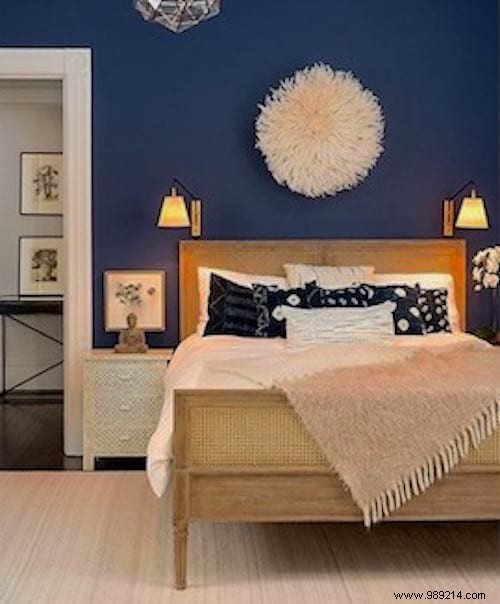
The ultimate soothing color, blue evokes sky and sea, lowering blood pressure and heart rate—opposite to red's effects. Chromotherapy studies endorse it for insomnia relief.
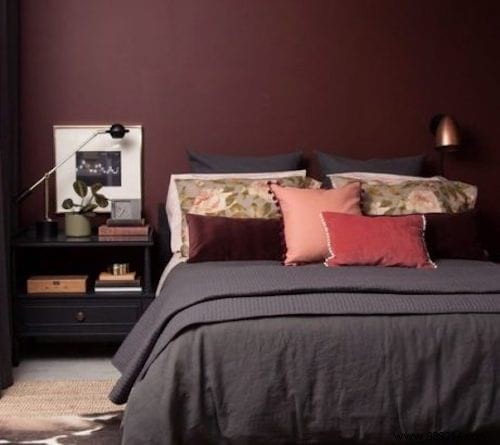
A rising favorite among decorators, burgundy pairs beautifully with neutrals like white or beige, infusing warmth and coziness.
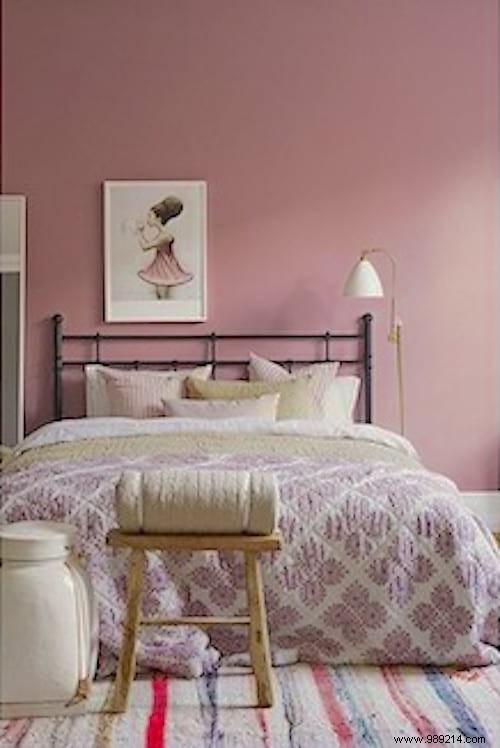
Softer than red, pink calms sensitive spaces like psychiatric wards or for hyperactive children.
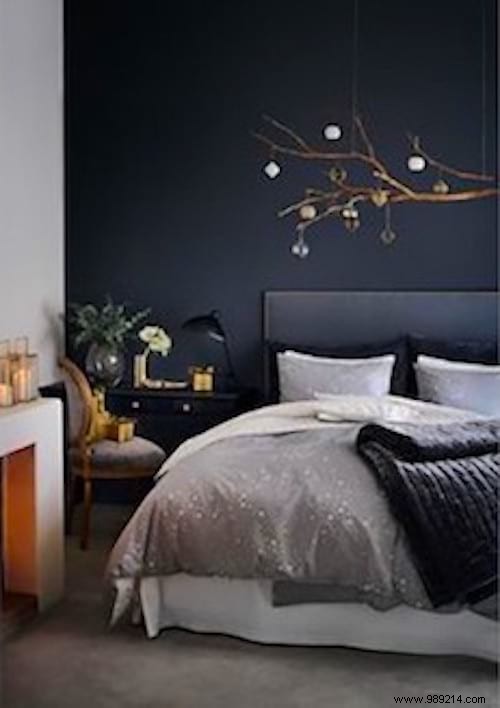
Deep midnight blue shifts cognition toward sleep, unlike lighter cyan blues. Muted blues excel on bedroom walls.
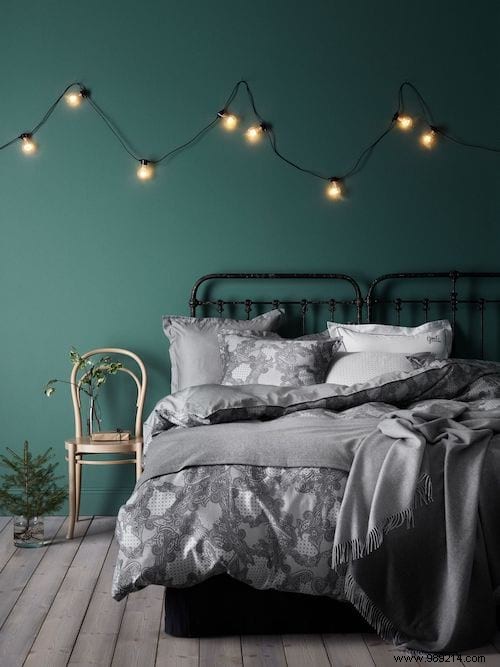
Green's natural vibe soothes and recharges, fostering well-being.
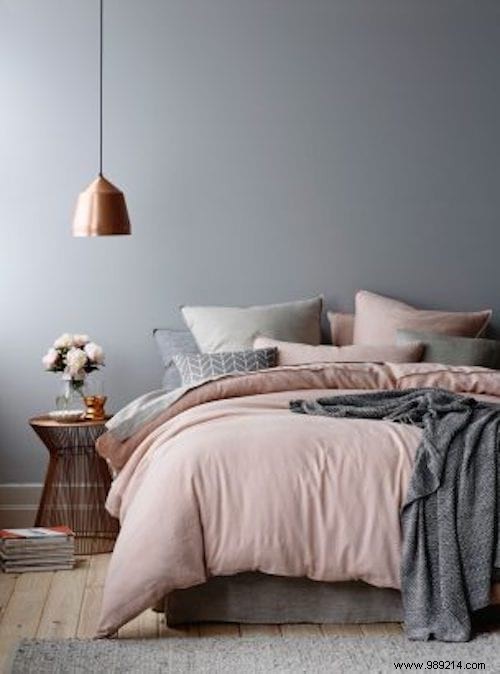
Versatile and chic, gray complements accents like yellow seamlessly.
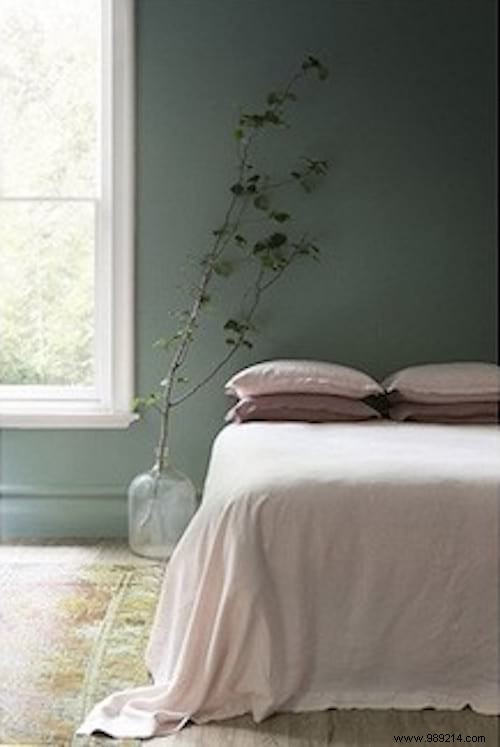
Soft sage green radiates serenity, perfect for zen bedrooms.
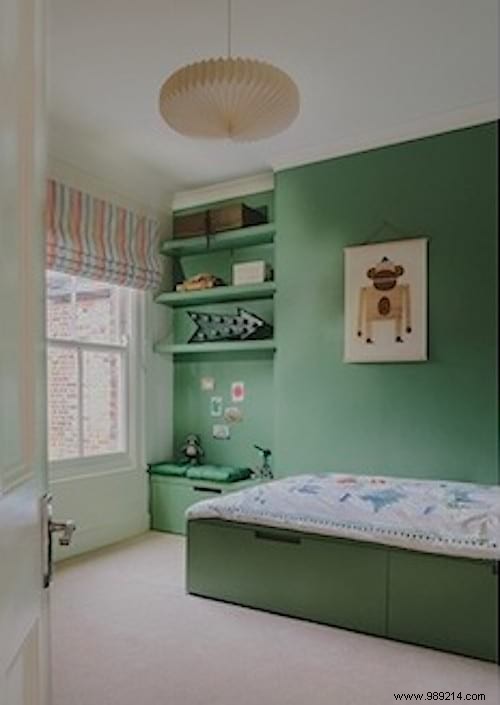
Dual benefit: moderates children's energy while adding playfulness.
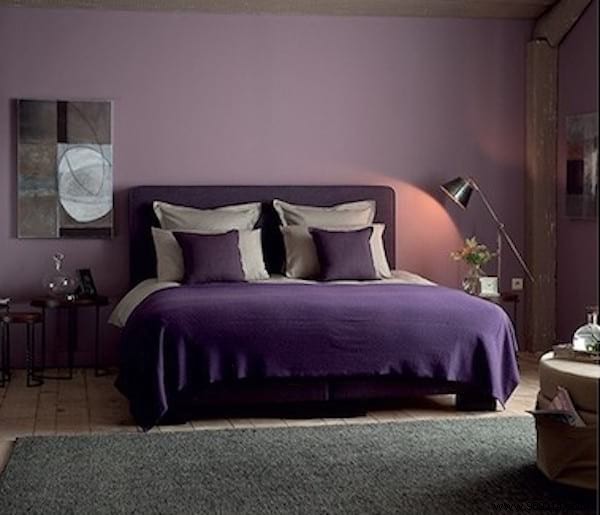
Linked to meditation spaces, purple blends relaxation and warmth from its red-blue roots.
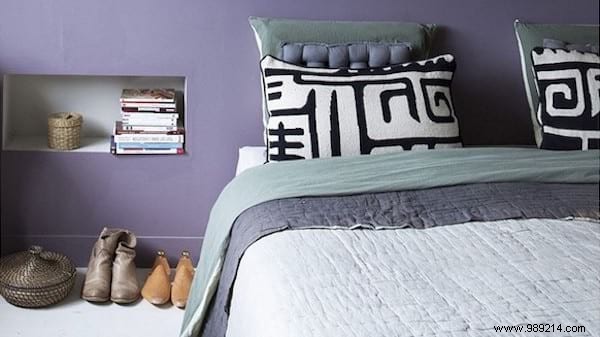
Distinct from purple, mauve offers subtle aphrodisiac allure for adult bedrooms.
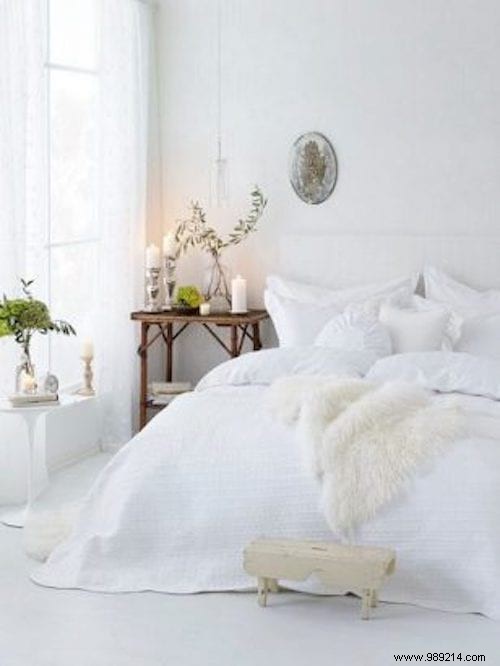
Neutral white invites calm and tranquility, a timeless sleep aid.
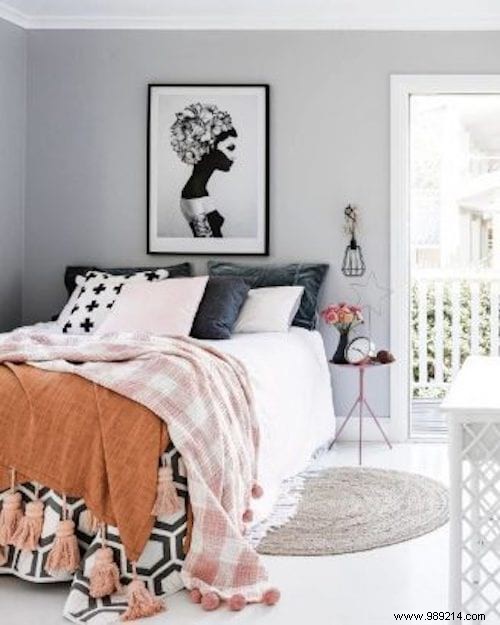
Light gray evokes deep relaxation effortlessly.
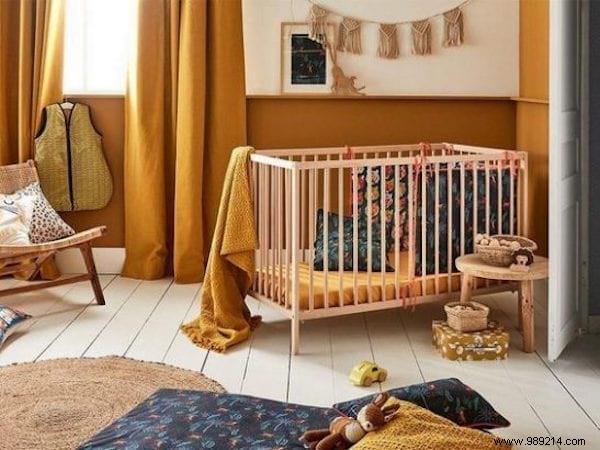
Avoid bright yellows; muted mustard works well, especially for kids' rooms.
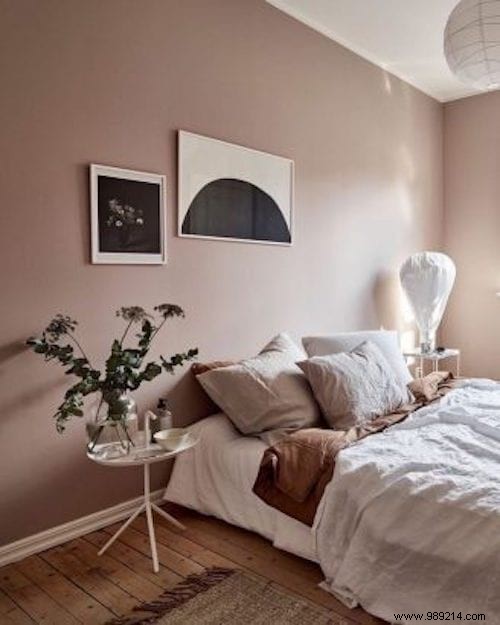
Soft taupe adapts universally, promoting easy sleep.
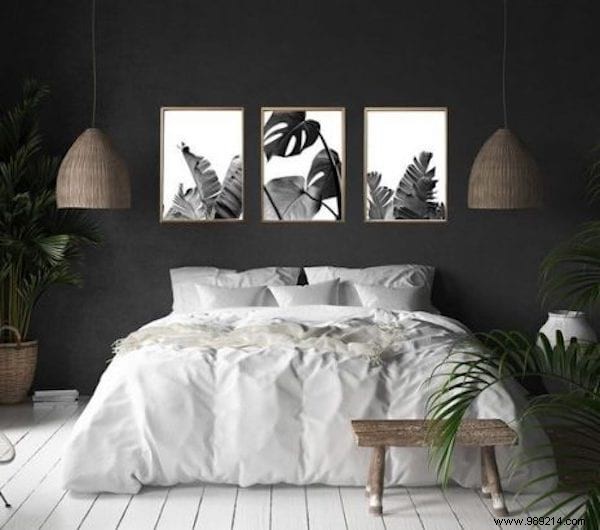
Black accent wall with white bedding: modern, comforting, trendy.
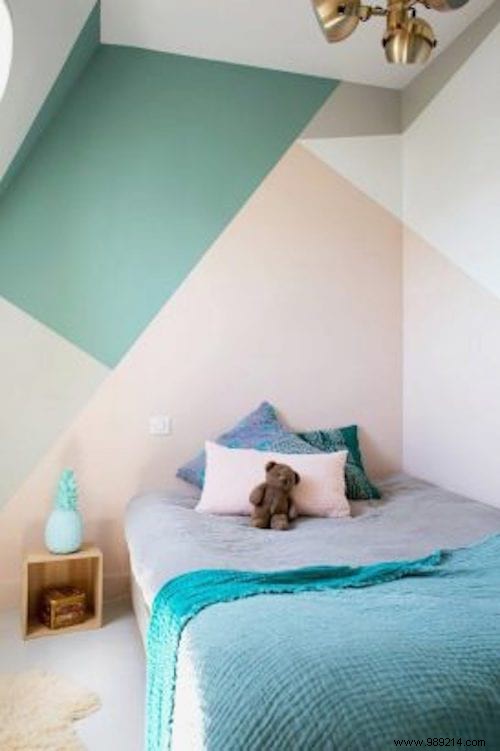
Layer light, calming colors for a harmonious, soothing effect.
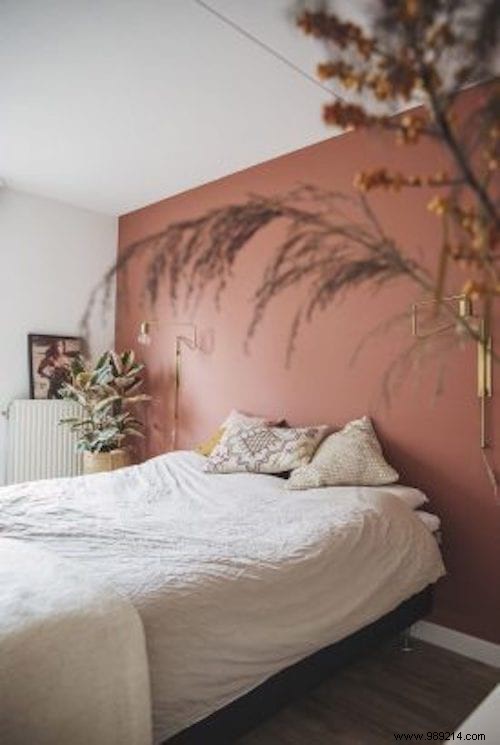
Warm terracotta elevates the room while aiding sleep.
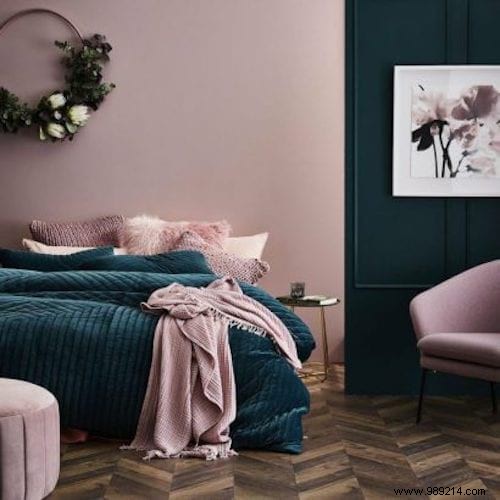
Chic pink-green duo creates elegant serenity.
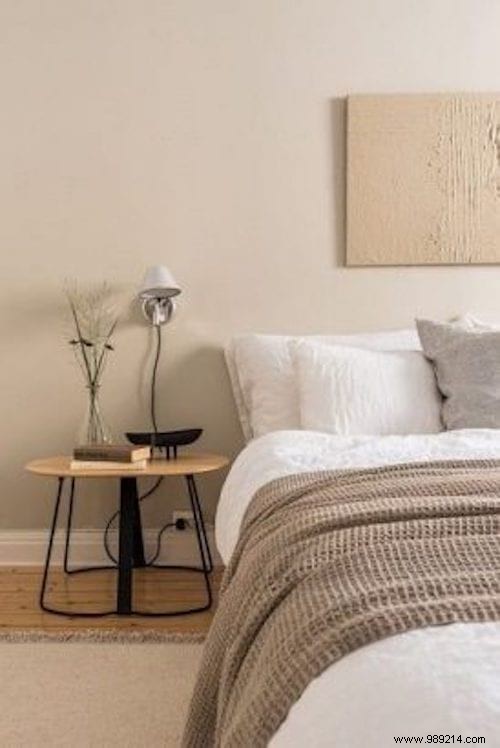
Cocooning beige outperforms stark white, per pros.
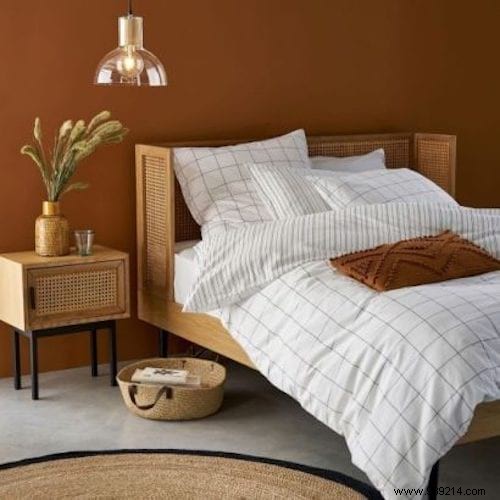
Ideal with rustic wood, brown warms naturally.
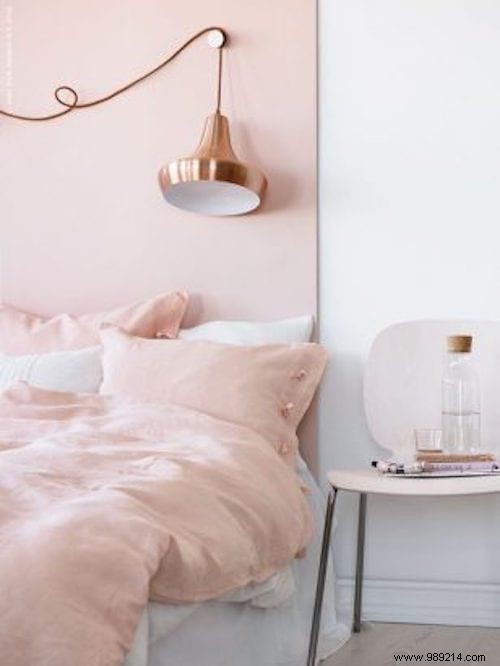
Pastel pink delivers serenity and softness.
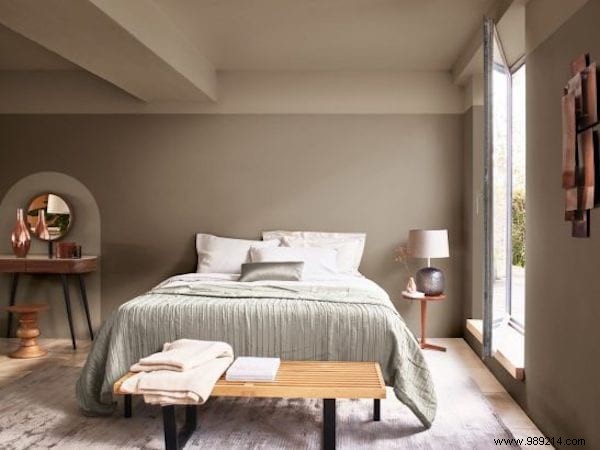
2021's color of the year: authentic, well-being enhancing.
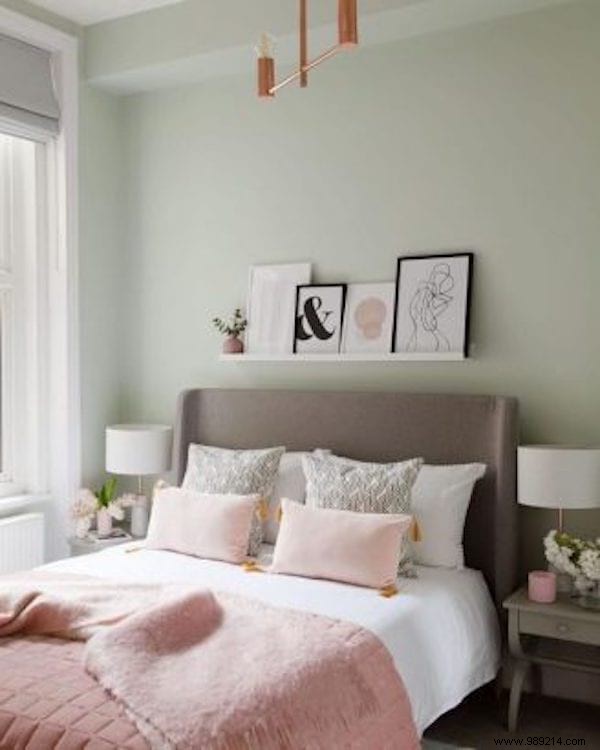
Pastel almond green invites zen; pairs with light pink.
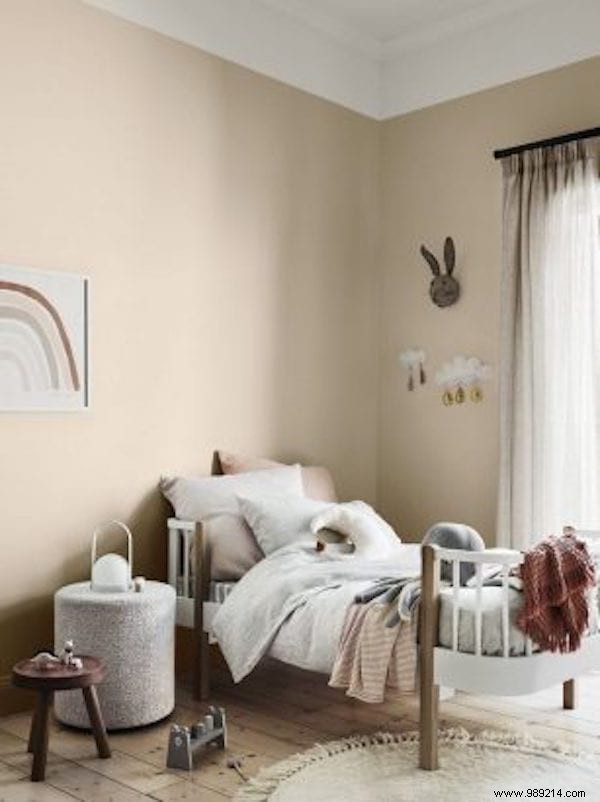
Gender-neutral beige suits kids' rooms timelessly.
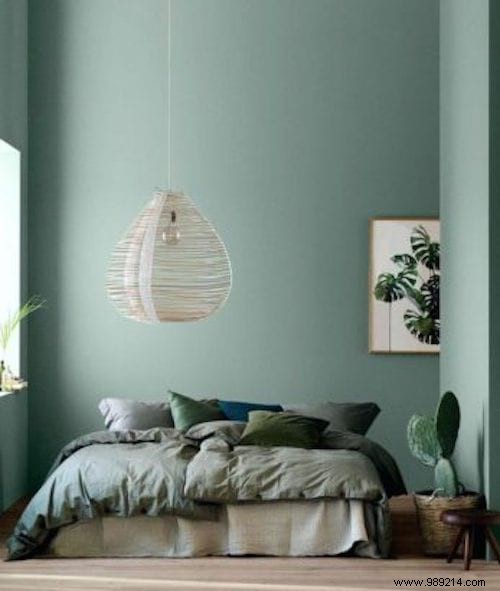
Restful water green adds exotic relaxation.
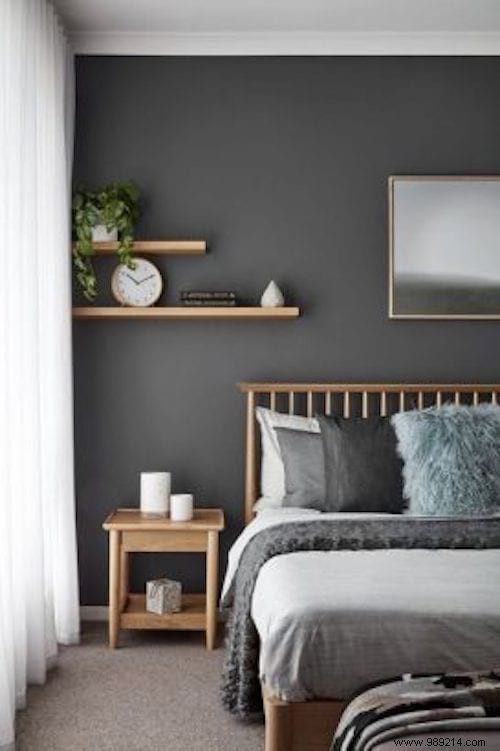
Cocooning dark gray shines with wood or gold accents.
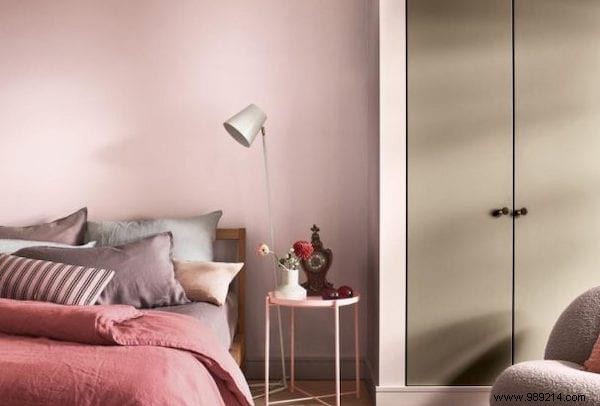
Pro tip: Uniform color enhances room volumes aesthetically.
Beyond color, optimize with these evidence-based strategies:
