1. Master the fundamentals of color.
Start with the classic color wheel, a tool every designer relies on. As Joann Eckstut, author of The Color Palette Primer, explains from her years of expertise, there are three primary color schemes:
2. Draw inspiration from your surroundings
Scan environments that bring you joy—your garden, a beloved shop, a Grand Canyon photo book, or even your shoe collection. Color consultant Jane Lockhart, who once crafted a room scheme from a restaurant menu, calls this your 'happy place.' "Observe the colors that energize you and how they interact before hitting the paint store," she advises.
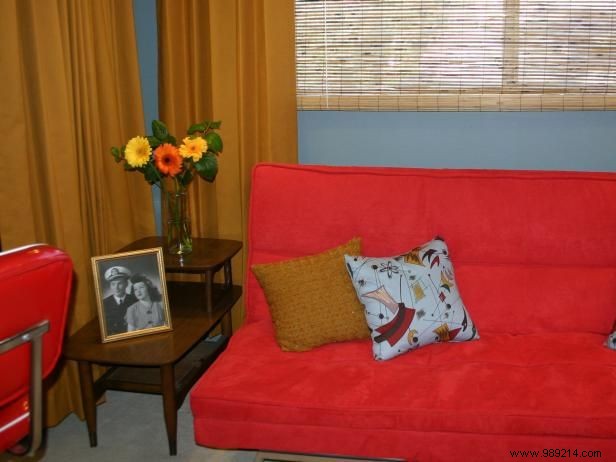
3. Follow nature's lead.
Colors coexisting in nature rarely fail indoors. Beach tones—creamy sand, deep aquamarine sea, sky blue, and cliff gray—create timeless, soothing palettes proven by designers worldwide.
4. Evaluate color in context
Assess how combinations perform in your space: furniture style, window light quality, and room purpose. Blue-green suits serene bedrooms but may feel chilly in north-facing rooms with dim light. Vibrant red-yellow energizes kitchens yet overwhelms living areas. Monochromatic works in modern homes but can dull traditional ones. Leatrice Eiseman, executive director of the Pantone Color Institute, suggests: "Wear colors you love—if they suit you, they'll shine at home."

5. Use color sparingly for longevity
Love a duo? Anchor with neutrals on sofas and carpets, adding accents via pillows, curtains, and lamps, recommends Color Association consultant Barbara Schirmeister. This approach refreshes spaces affordably when new favorites emerge—no full redecoration needed.
