Love growing fresh produce but dealing with shady spots in your garden? As a gardener with years of hands-on experience, I've learned that shade isn't a barrier—it's an opportunity. Many fruits and vegetables flourish with just 3 hours of daily sun, and some even prefer it to avoid scorching heat. Below, I've curated 41 shade-tolerant fruits and vegetables based on proven results from my own garden and expert horticultural knowledge. Watch them grow:
Mesclun mixes, including mizuna and tatsoi, are among the most shade-tolerant greens, needing only 2 hours of sun daily. They're perfect for quick harvests.
My go-to for spring salads, arugula's peppery bite elevates pizzas and aids digestion. It handles shade effortlessly.
Lettuce bolts in hot sun but loves shade. Experiment with varieties for diverse flavors in your salads.
This nutrient powerhouse prefers cool, moist shade, keeping soil from drying out too fast.
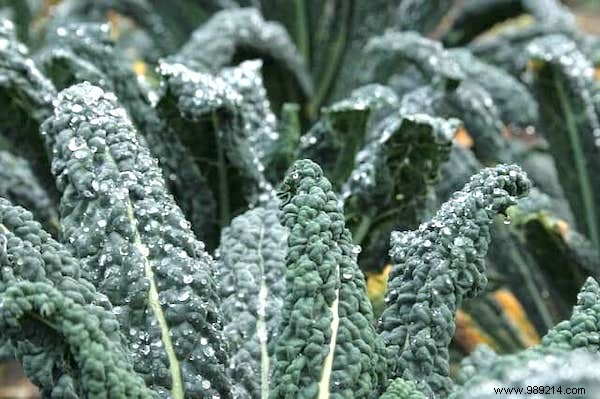
Kale shines in recipes like crispy baked chips. Shade prevents summer burn, as I've seen firsthand.
With vibrant stems, chard doubles as an ornamental. Shade yields tender growth for soups and sautés.
Versatile for wraps or soups, cabbage (like kale) avoids bitterness in partial shade.
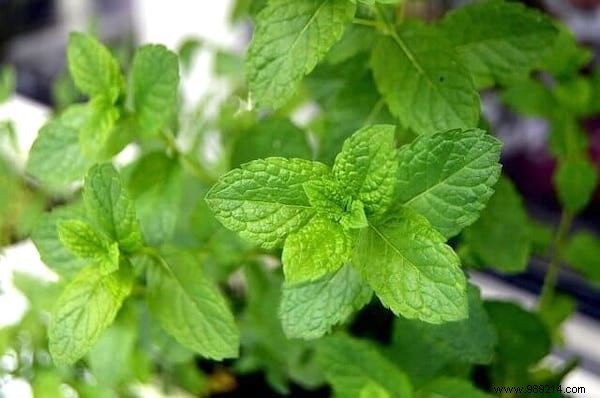
Ideal for teas and cooking, mint spreads vigorously—pot it to contain. Morning sun and afternoon shade suit it best. To discover: The 3 virtues of mint that you don't know.
A staple in Italian cuisine, oregano thrives in shade, resists drought, and packs vitamins.
Great for calming teas against headaches or anxiety, it grows with minimal fuss in shade.
Edible purple flowers and stems announce spring—shade keeps them tender.
Creeping varieties offer bright flavor; protect in cooler climates. To discover: According to a Study: Smelling Rosemary Increases Memory by 75%.
Essential for global dishes with medicinal perks, it adapts seamlessly to shade. To discover: Coriander and Lime Chicken: The Delicious Easy Recipe.
Ubiquitous in kitchens, parsley adds freshness anywhere—shade won't slow it.
Pesto perfection; basil scorches in full sun, so shade it for lush leaves.
Opt for dwarf varieties like 'Fin de Bagnols'—they manage with 5 hours of sun.
A colorful oddity that might win you over raw or cooked.
Low-cal, vitamin-rich for stir-fries; matures fast in shade.
Extend the season in semi-shade with varieties like 'Ram's Horn' for continuous harvests.
Braise for flavor; shade extends fall-into-winter yields in mild areas.
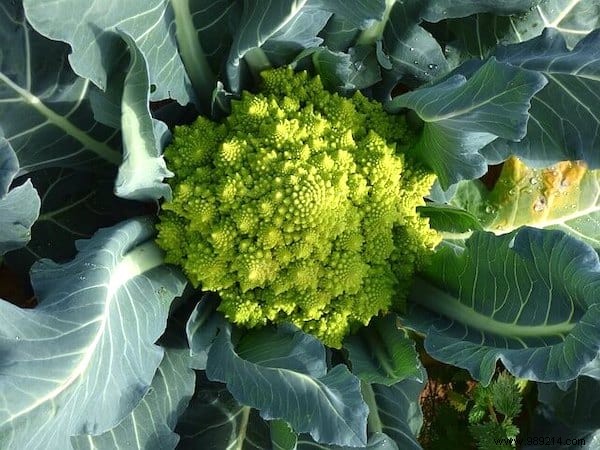
White, purple, or Romanesco—versatile for roasting, gratins, or pizzas.
Regrows after harvest; use leaves in soups too. To discover: Family Friendly And Inexpensive: My Broccoli Gratin.
Quick-growing onion relatives; leave roots for perennials.
Worth the wait for winter soups. To discover: The Cheapest Leek Quiche in the World.
Shade-tolerant roots with sun-seeking vines; endless sweet varieties.
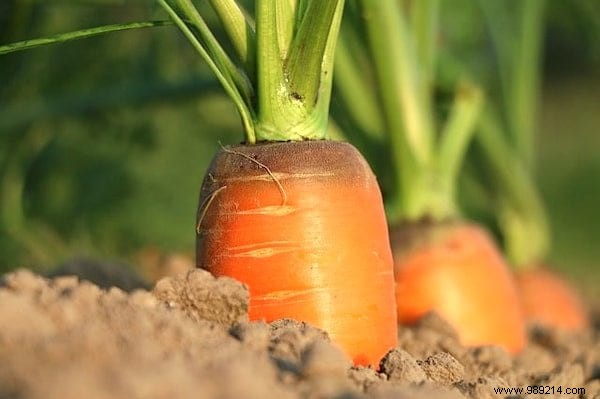
These tolerate partial shade, growing slower but reliably—leaves often edible too.
Early types like 'Nantaise' in loose soil. To discover: Quick and Easy: The Delicious Recipe for HONEY ROASTED Carrots.
Foolproof and speedy—crisp additions to any meal.
Mild salad types or hearty 'Boule d'Or' for cooking.
Nutrient-dense roots and greens for salads or juices.
My fall favorite; shade suits their sweet roots.
Easy in pots or ground—like a treasure hunt at harvest.
Spring-planted for pre-leaf shade; smaller but effective.
Salad star; try stalk celery too.
Lower yields but longer season in shade. To discover: The Trick To Keep Asparagus Fresh Longer.
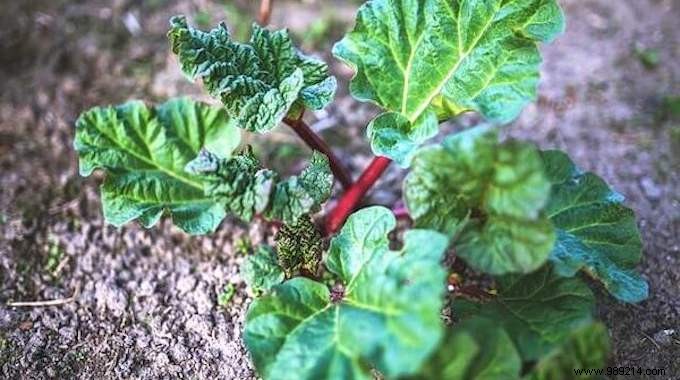
Perennial pies; shade fine mid-summer. To discover: 6 Uses of Rhubarb Nobody Knows About.
Prolific summer berries for freezing. To discover: Buy No More Blueberries! Use These Tricks To Get As Much As You Want.
Tiny but intense flavor all season. To discover: 9 Incredible Strawberry Benefits You Didn't Even Know About.
Abundant even in deep shade; stunning plants.
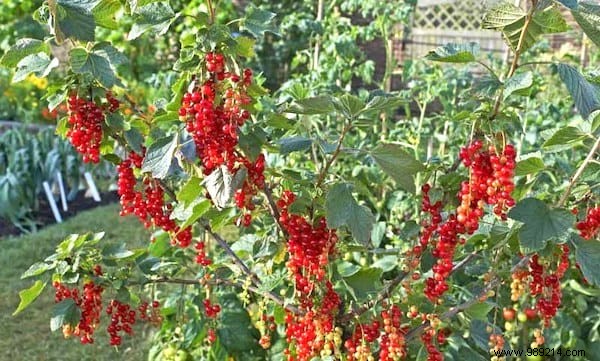
Jams from these shade-happy berries.
Ground cover with tasty fruit.
Shade-tolerant for immune-boosting syrups. To discover: Elderflower Champagne Recipe (Easy To Make And 100% Natural).
In my garden, a tree shades half the plot—perfect for cool summer tending. I reserve full sun for tomatoes, peppers, and cucumbers, while shade suits greens (they ripen slower but steadily). Spring sun shines through bare branches.
- Total shade: Use ground covers like sage or heuchera.
- Partial shade: 2-6 hours sun; dappled light from trees works best.
- Full sun: 6+ hours for heat-lovers; pots help control conditions.
White walls reflect light; wheeled pots allow mobility. Prune trees, enrich soil, and water judiciously—shade retains moisture. Shade opens doors to violets or hostas too.
Which shade crops have you tried? Share in comments—I'd love to hear your successes!
