Wondering what to plant in your garden this November? Don't let cooler fall weather stop you—many crops thrive when sown now for a bountiful spring harvest. Drawing from my grandfather's decades of hands-on market gardening experience, I've compiled this trusted guide to the best vegetables, fruits, flowers, and more that establish roots easily in autumn.
Most spring producers are sown before winter hits, making November prime planting time. Here's everything that grows reliably, tailored for temperate climates like southern France or protected spots elsewhere.
 Contents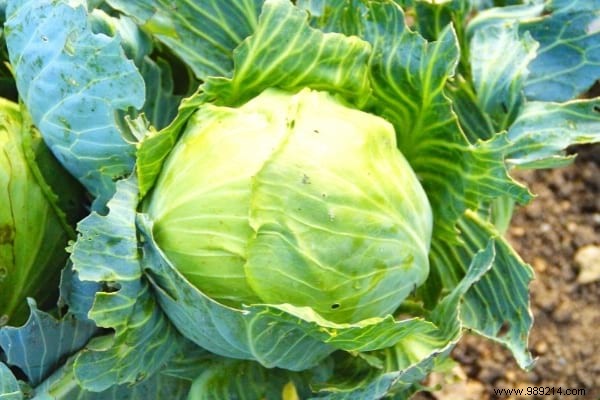
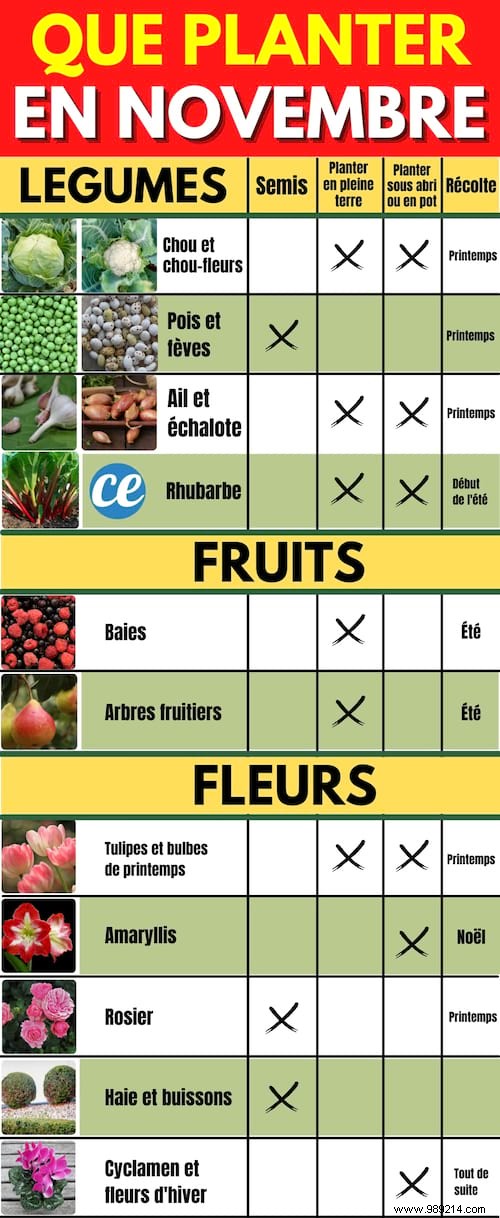
A winter kitchen staple, headed cabbage delivers fresh harvests into spring when transplanted late October to early November. Young plants develop steadily through cold months, surging ahead with warmer days. In frost-prone areas, protect seedlings; temperate zones need none. Water soil regularly, but skip evenings before freezes.
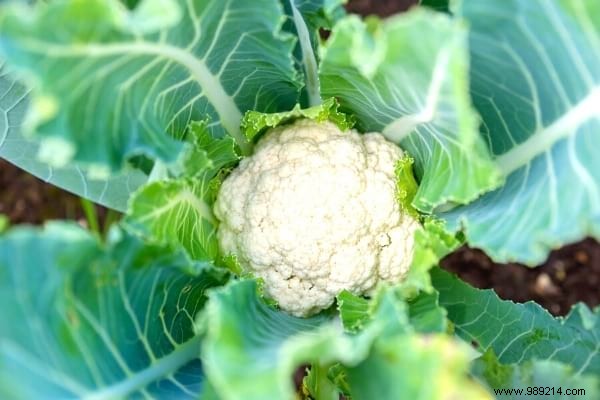
In mild regions or southern areas, plant spring cauliflower now for spring maturity. Colder spots? Use a greenhouse or frost shelter.
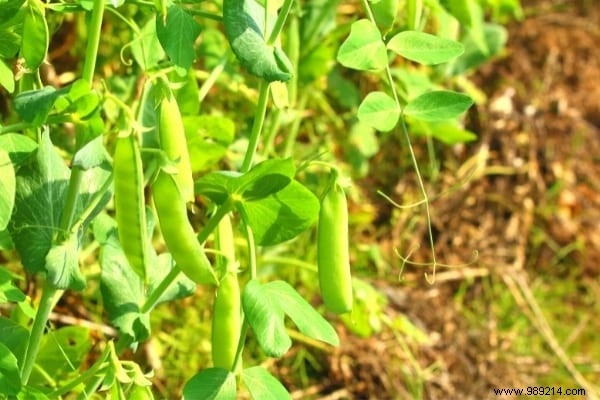
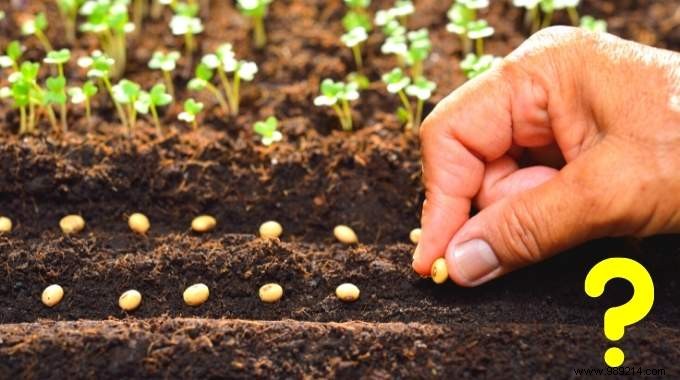
Sow peas and beans directly in temperate ground or under cover elsewhere for spring yields. Dig 5 cm furrows, space seeds 10 cm apart, cover, and water.
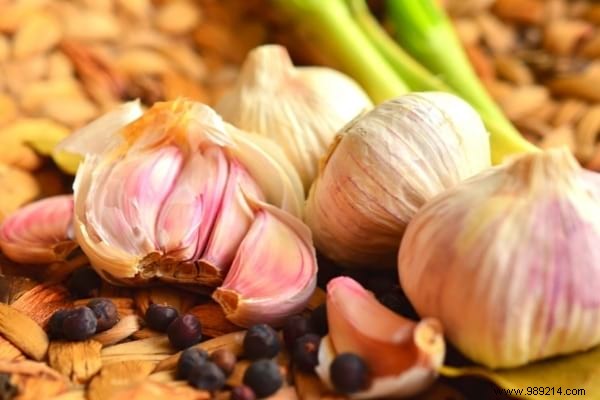
An essential kitchen herb that's a breeze to grow—even in pots on sunny balconies. Plant cloves 30 cm apart in well-drained soil this fall; full sun is key, even in winter.
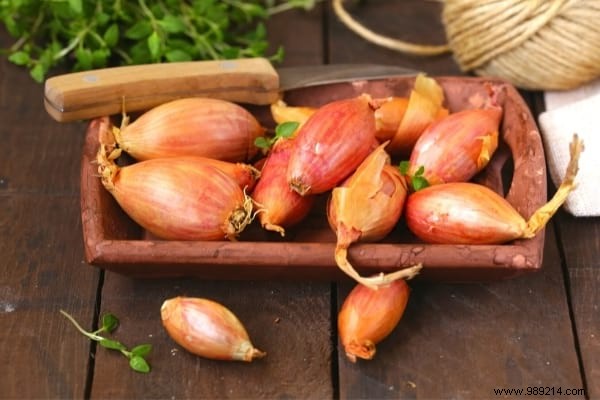
Gray shallots go in early November, bulbs 2 cm deep in drained, green-manure-enriched soil. They love sun, whether in the veggie patch or terrace pots.
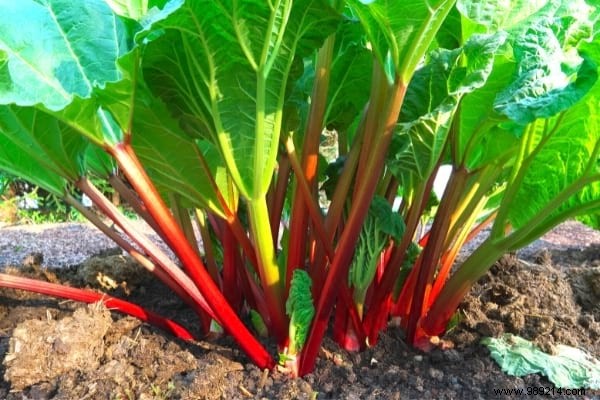
Plant young rhubarb from garden centers or divided clumps now. Select sunny summer spots, loosen soil, add green manure, and mulch—especially in continental climates.
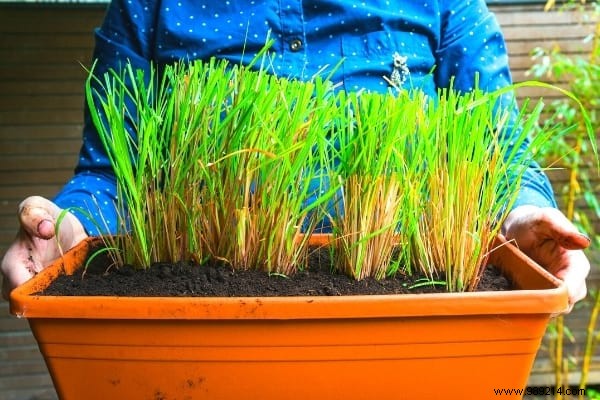
Divide perennials like mint, chives, thyme, savory, oregano, and sage this autumn. Replant immediately in southern ground or sheltered spots. Lift the root ball, split with spade or knife, ensuring roots on both halves.
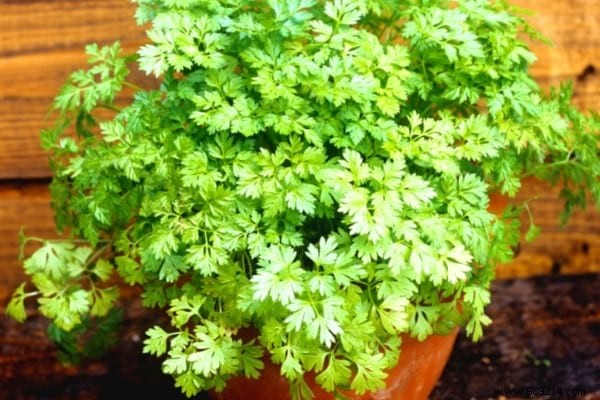
Versatile in ground or pots, mature chervil needs frost protection if outdoors. For summer harvests, sow in November under cover—it roots slowly then accelerates in sun.
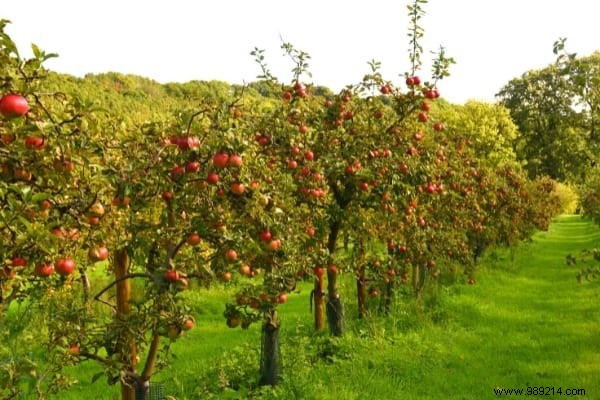
Bare-root apple, pear, cherry, peach, and apricot trees from nurseries plant best early November. Pick permanent spots, dig wide holes, add green manure, water well. Check for 4-5 frost-free days. Expect fruit after roots establish in a few years.
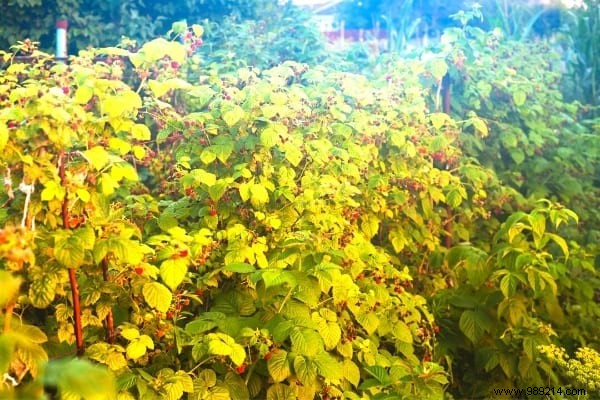
Raspberries, currants, mulberries, blackcurrants—plant divided or potted now for winter rooting. Sunny holes with green manure, water, mulch roots. Pots work too; first berries possible next summer.
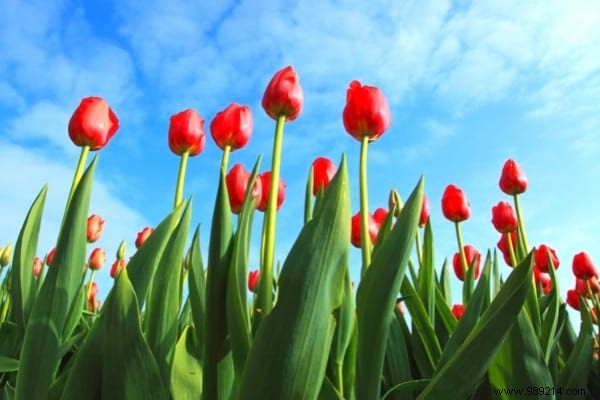
Fall-planted bulbs need winter chill for spring blooms. Early November suits late tulips (peony, parrot, black). Bury 8-10 cm deep; same for hyacinths, daffodils, crocuses, narcissus. Pro tip: Stagger plantings 10 days apart for extended color.
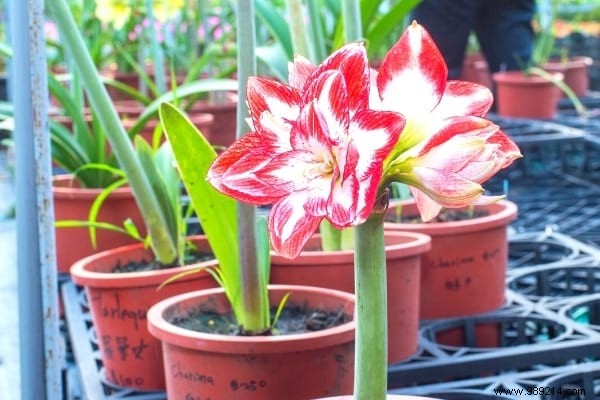
Plant bulbs from November for holiday blooms (6 weeks to flower). Pots just larger than bulb, 2/3 buried; bright indirect light. One bulb can reflower 10-12 years with care—stems reach 50 cm with 4 huge flowers.
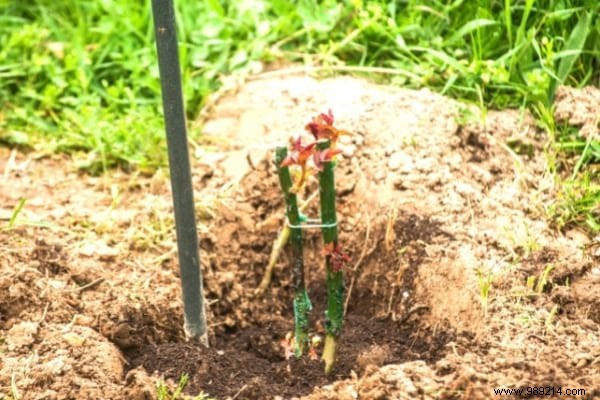
All roses—shrubs, climbers, bushes—plant in November to root before summer. Mulch bases in frost areas for winter protection and potential first blooms.
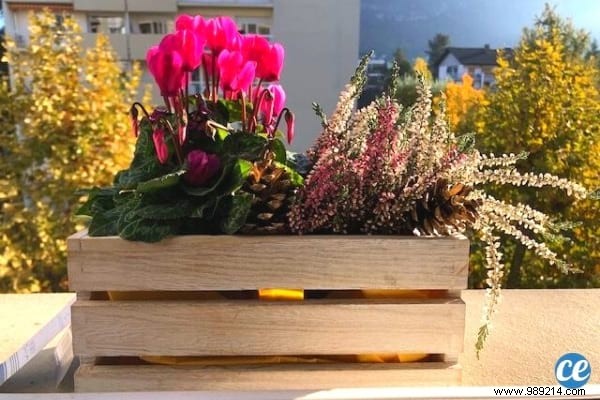
Brighten winter with cyclamen, ornamental cabbage, heather, heuchera, or viola—these handle -10°C and deliver year-round color in beds or pots.

Berberis, laurel, forsythia, holly, boxwood, dogwood: November planting builds strong roots. Mulch cold bases; enjoy quick spring flowers if mild.
In temperate zones or greenhouses, sow cabbage, cauliflower, lettuce, parsnips, turnips, fennel, leeks, chard, black radish for winter harvests. Mulch for light frost protection. For February planting ideas, check our dedicated article.
