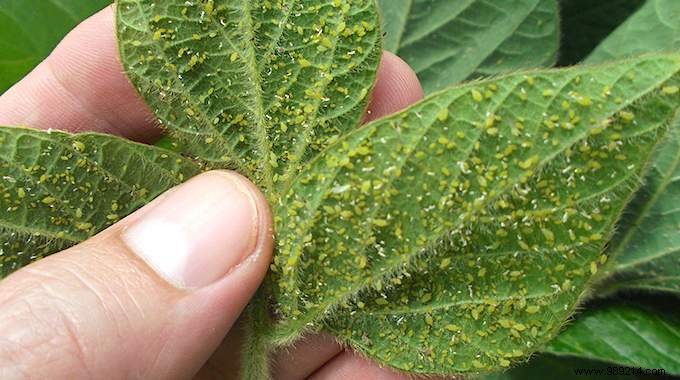
Are your plants or vegetables under attack from aphids? It's disheartening after all the effort you've invested in caring for them.
The good news is you can eradicate aphids easily without harsh chemicals. Commercial insecticides are expensive and pose risks to plants, pets, and children.
As experienced gardeners know, natural methods are both effective and safe. Here are 8 proven natural tips to eliminate aphids quickly.
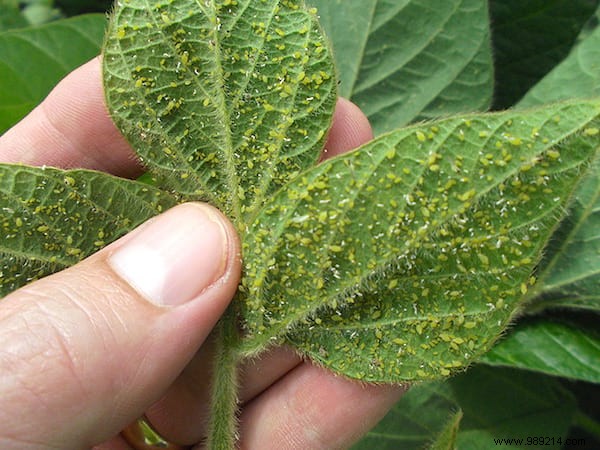
Aphids are tiny sap-sucking insects, typically white, brown, gray, or light green. A few aren't a problem, but they multiply rapidly and cause serious damage.
Signs of infestation include deformed leaves coated in sticky honeydew. This substance attracts ants, which protect aphids and worsen the cycle.
Aphids pierce stems and leaves to feed, weakening plants and spreading diseases that can lead to decline or death.
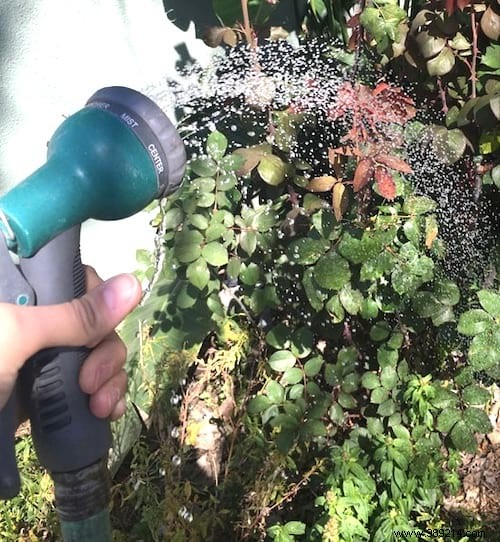
Early in the morning, gently spray the undersides of affected leaves with a moderate water stream using a spray gun to avoid plant damage. This dislodges aphids, letting them fall to the ground.
Pinch the stem lightly between two fingers and slide upward to crush and remove them faster.
Apply in the morning so leaves dry in the sun, preventing fungal issues from excess moisture.
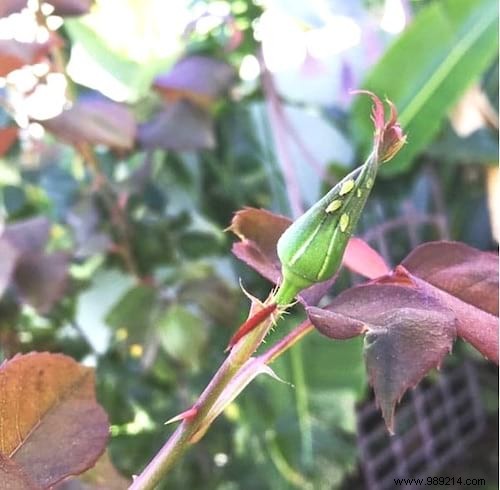
Mix 1/2 teaspoon of dishwashing liquid with 1 liter of water in a spray bottle. Apply to affected areas and rinse thoroughly. Ideal for isolated plants like rosebushes.
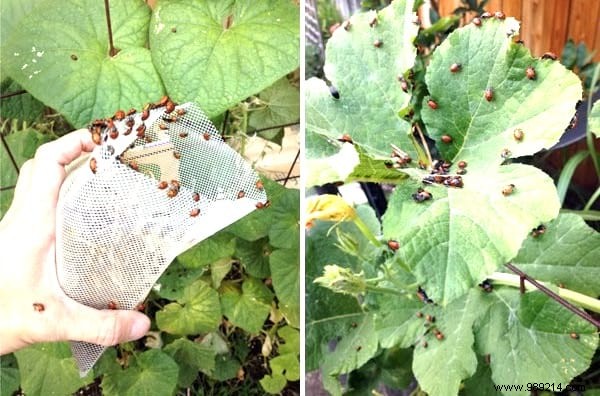
Purchase ladybugs from garden suppliers and release them on infested plants. These natural predators devour aphids enthusiastically—a delight for kids to watch too.
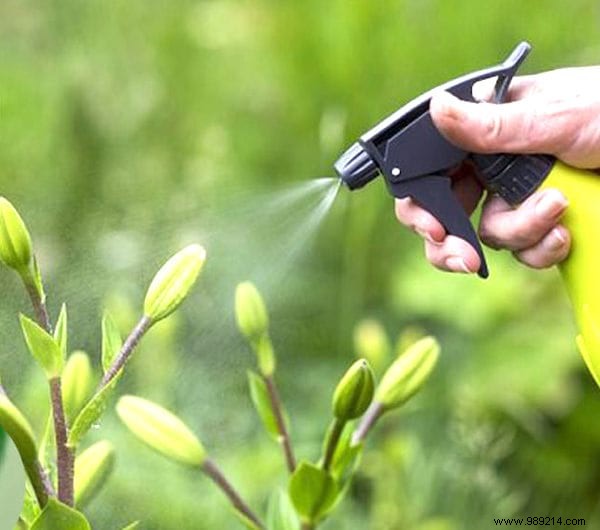
This biodiversity-friendly repellent doesn't kill aphids but repels them with its potent scent. Making garlic spray is simple. Find out how here.
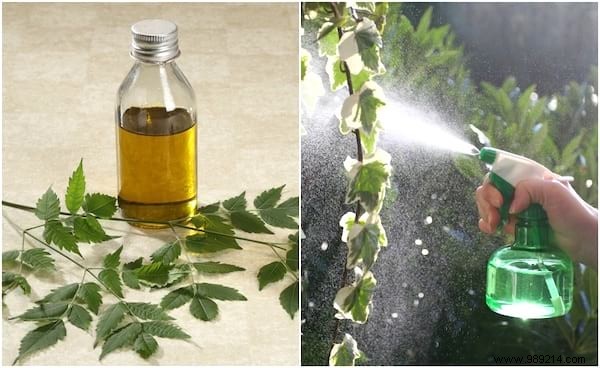
Derived from neem tree seeds, this organic oil is insecticidal and antifungal when used properly. Mix 5 ml per liter of water with a bit of black soap, then spray infested plants.
It smothers aphids, preventing feeding, and stops larvae from hatching.
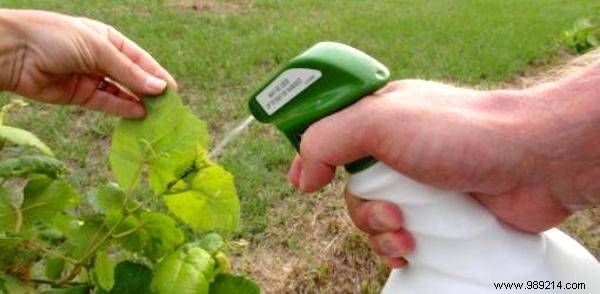
A safe, affordable option usable up to harvest. Available at garden centers, it smothers aphids and cleans away honeydew.
Dilute per label instructions and spray both leaf sides. Repeat after a week if needed—avoid undiluted dish soap, which can burn plants.
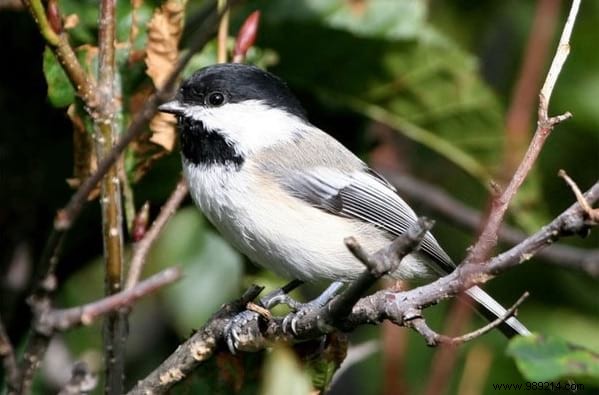
Invite insectivorous birds like wrens, chickadees, or sparrows with shrubs, nest boxes, feeders, and water sources. They'll feast on aphids naturally.
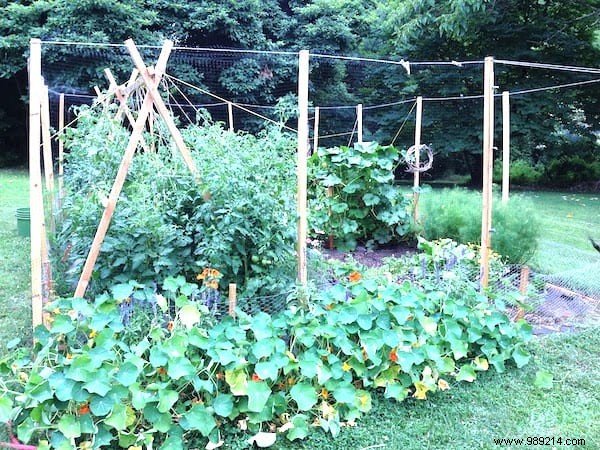
Plant aphid-attracting flowers like zinnias, dahlias, nasturtiums, or cosmos away from veggies to divert them.
Or interplant garlic, chives, or onions nearby—aphids detest them, and you get edible bonuses.
To discover: 26 Plants You Should ALWAYS Grow SIDE BY SIDE.
Which of these methods have you used against garden aphids? Share your results in the comments—we'd love to hear!
