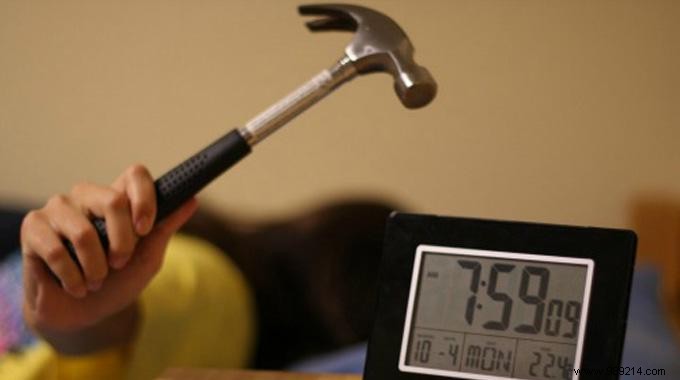
For over 40 years, we've adjusted our clocks twice a year—a shift that disrupts sleep, health, and morale. But does it truly save us money?

In 1973, amid the first oil crisis, France introduced daylight saving time to conserve energy, particularly oil and electricity. Clocks spring forward in March to shorten evening lighting needs, then fall back in October, granting an extra hour of sleep.
Time changes undeniably cause disruptions: sleep disturbances, lowered morale, and increased fragility leading to more medical visits. Farm animals suffer too, impacting production quality. According to France's ADEME (Environment and Energy Management Agency), it saves around 40,000 tonnes of CO2.
That's progress, yet it pales against added costs: more evening travel, air conditioning use, extended night lighting (despite local efforts to curb it), and morning heating and lights.
Tip 1: Prepare and rest. Gradually adjust your schedule days in advance to minimize shock—crucial for children, the elderly, and those with health issues.
Tip 2: Avoid overcompensation. Don't blast lights or heat against early darkness, especially with rising electricity prices.
Tip 3: Advocate for change. Growing calls to end daylight saving time could lead to its abolition.
Share your thoughts on time changes in the comments below!
