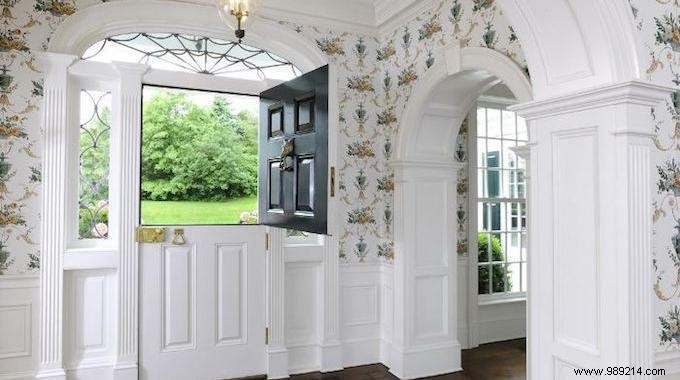
Over time, many clever designs from older homes have been overlooked amid modern innovations. Today's architects, in their push for novelty, have set aside these time-tested layouts.
Yet these features are remarkably ingenious. As someone who's restored several vintage homes, I can attest to their elegant practicality—they save time and money, just as our grandparents knew.
Here are 15 standout old house designs we shouldn't have abandoned:
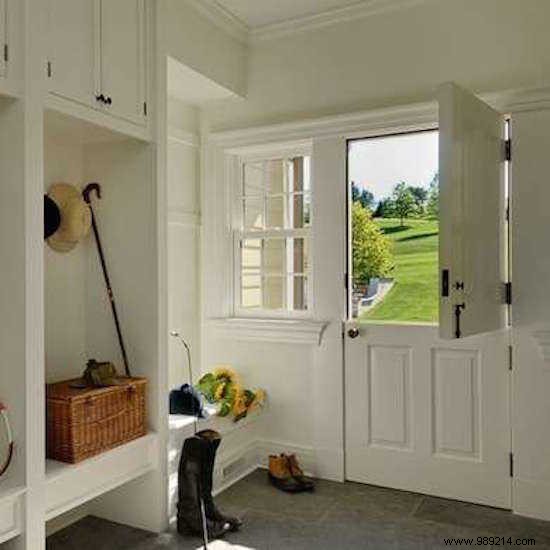
Also called split doors, farm gates consist of two independent upper and lower panels. Open just the top to let in air while keeping animals out—a staple in rural homes.
DIY it easily: Saw any door in half, hinge each section separately to the frame, and add a bolt to secure them as one.
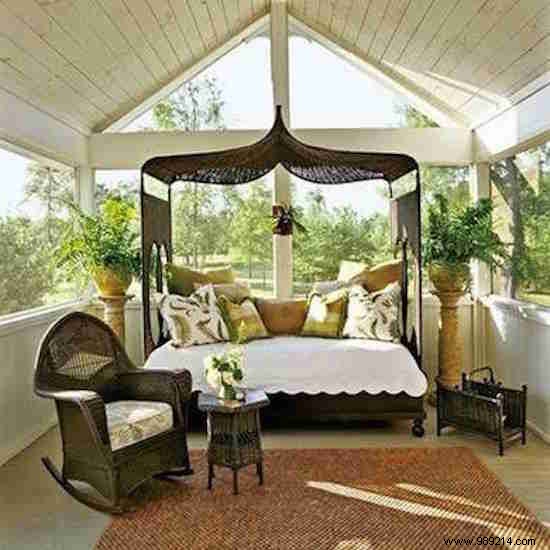
Popular in the 20th century, these open-air sleeping porches were endorsed by doctors for boosting immunity with fresh air. Ideal for temperate climates.
Beat the heat by converting your balcony or terrace into one. To discover: 21 Tips for Surviving Hot Summer Nights WITHOUT Air Conditioning.
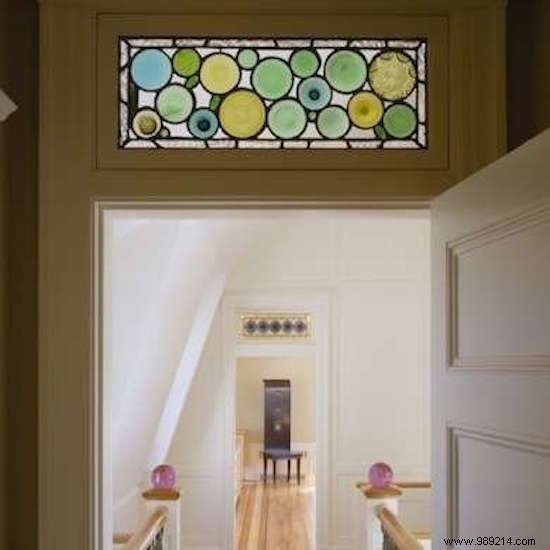
These glazed panels above doors, common in late-19th-century homes, flooded interiors with natural light before electricity. Many open for ventilation while keeping doors shut—perfect for privacy without stuffiness.
Still effective today, especially with their stunning colored glass. Consider adding one over your entry.
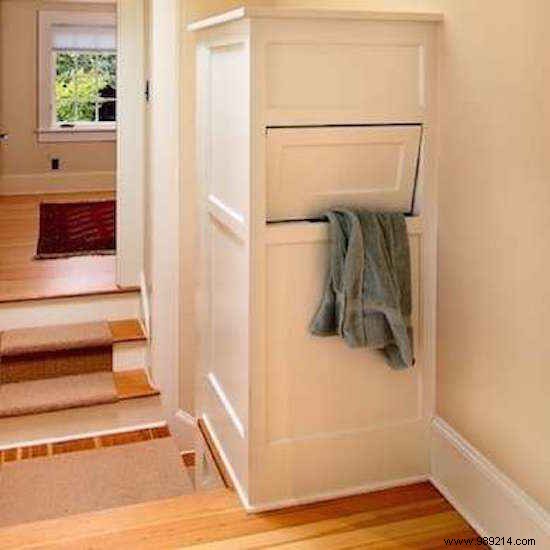
In multi-story homes, skip the stairs: Laundry chutes deliver dirty clothes straight to the basement or laundry room.
Build one with welded metal sheets or large PVC pipes. A simple upgrade for effortless chores.
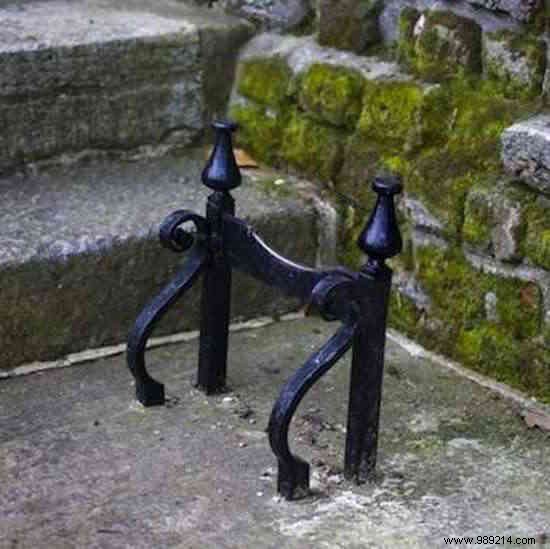
Once essential for muddy streets and horse traffic, these iron fixtures at doorways cleaned soles before entry.
They're just as handy now for wet boots. Opt for cast-iron classics or modern brush-equipped versions in wood, rubber, or plastic to keep floors spotless.
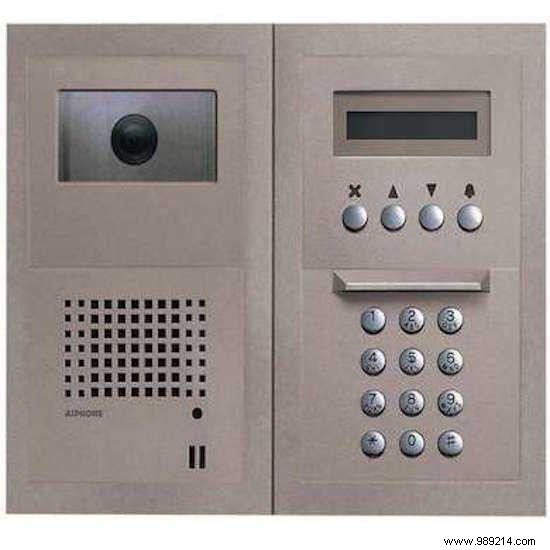
Big 1970s homes used wall-mounted intercoms for easy family communication. Modern wireless versions even stream music—no wiring needed.
Landline cordless phones with intercom functions work too.
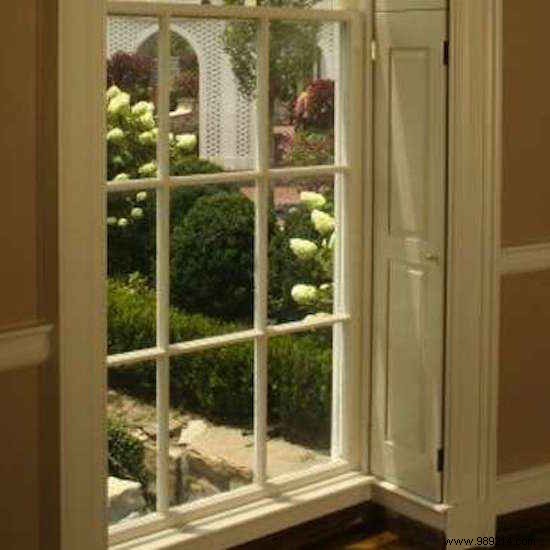
Thick 18th- and 19th-century walls allowed deep window recesses for these shutters, which enhance privacy and regulate temperature year-round.
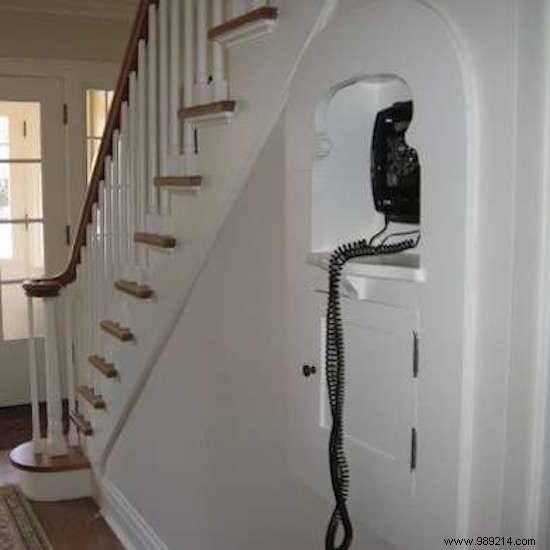
Built for bulky old phones, these dedicated wall alcoves are surprisingly relevant today—designate one to end the frantic phone hunt before heading out.
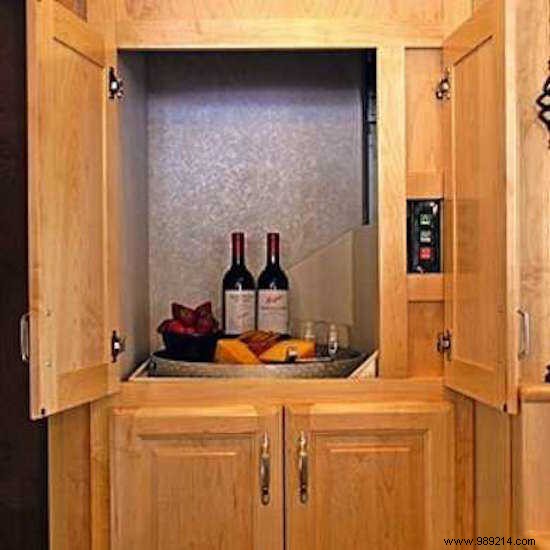
19th-century mini-elevators shuttled laundry, meals, and more between floors. Today's electric models are even more reliable for multi-level homes.

Classic front-door slots kept letters secure indoors. With less mail now, they're elegant and practical—add one to avoid outdoor treks or theft.
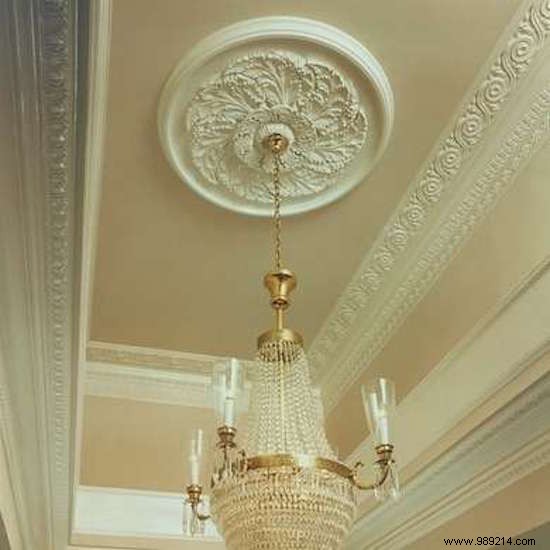
These ornate moldings framed chandeliers in 19th-century bourgeois homes, adding architectural flair. Modern polyurethane or stucco versions are lightweight and easy to install.
To discover: The trick to drilling a hole in the ceiling WITHOUT the dust falling on you.
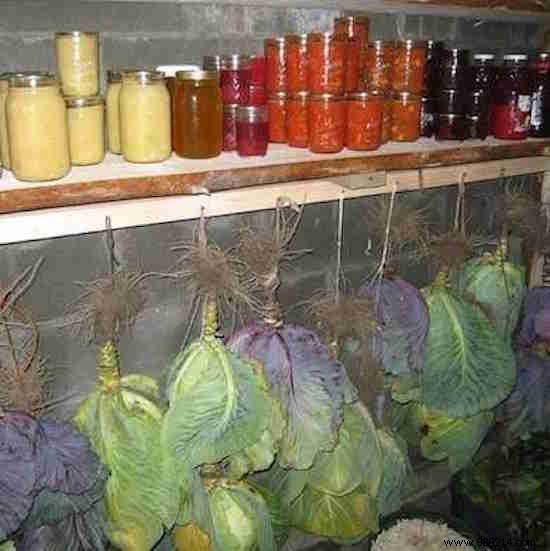
In cold climates, bury a 2-meter-deep pit with sturdy walls for natural refrigeration—perfect for storing potatoes, squash, and cabbage through winter.
To discover: 20 Brilliant Tricks To Preserve Your Food For Longer.
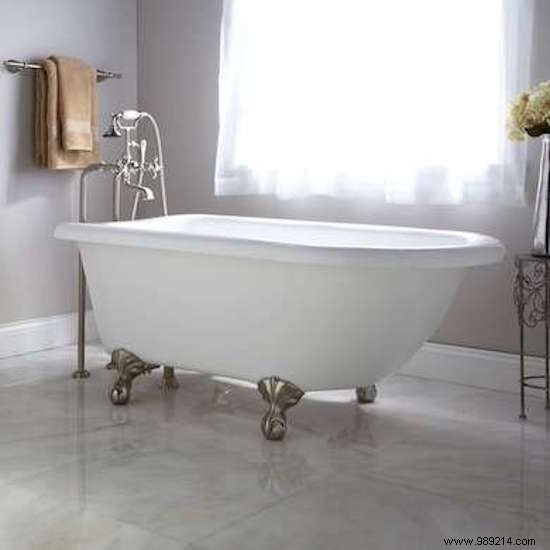
Deeper than modern tubs, these allow full immersion for ultimate relaxation. Source vintage ones affordably, refinish with porcelain paint, and place indoors or outdoors for starry-night soaks.
To discover: 5 Upcycled Ideas For an Original Bathroom Decor.
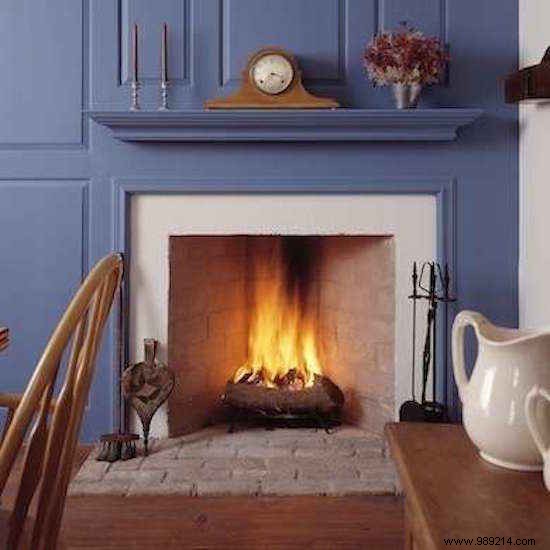
Count Rumford's 18th-century design uses angled walls to reflect heat efficiently—ideal for cutting heating costs as fuel prices rise.
To discover: 32 Surprising Uses of Wood Ash: Don't Miss #28!
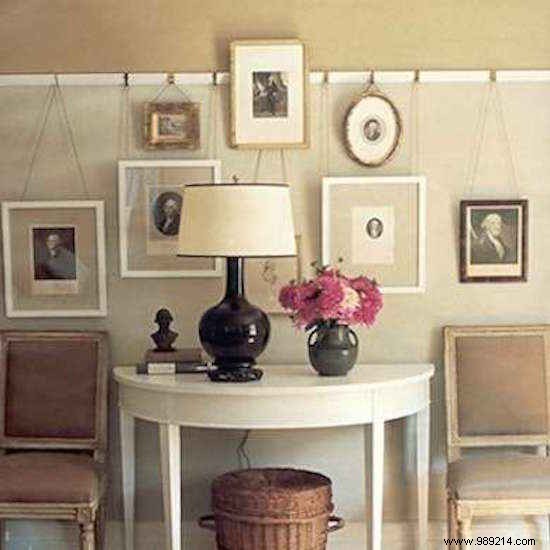
These ceiling-high moldings let you hang art without wall damage, a must for fragile plaster. Align with window tops and paint to match the ceiling for seamless style.
These 15 old-home gems prove timeless ingenuity—revive them in your space today!
