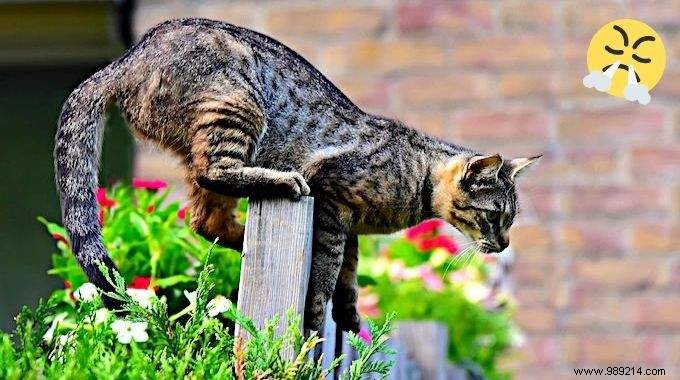
Frustrated by neighborhood cats using your yard as a litter box? Unwanted feline visitors leaving droppings in your vegetable garden can be maddening—and a health hazard.
Cats pose risks like toxoplasmosis from their feces, which can contaminate garden soil, especially dangerous for edible plants.
 Contents
 Thankfully, as a seasoned gardener, I've tested these 9 simple, effective strategies to keep cats away from gardens and flower beds permanently.
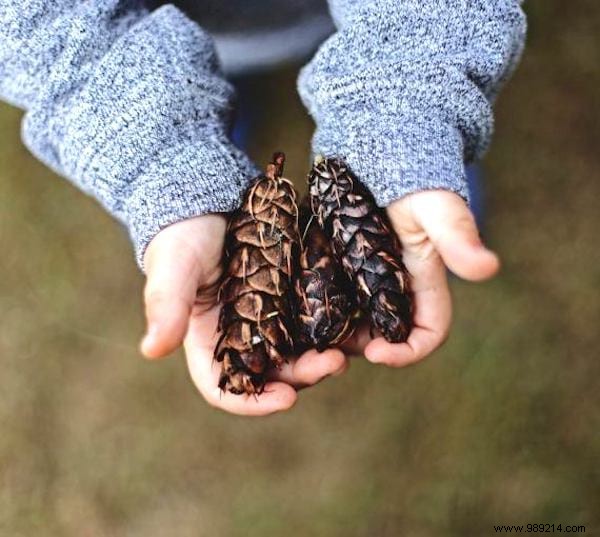
Cats gravitate to soft soil because their paw pads are sensitive—they avoid prickly surfaces. Make your garden uninviting by covering soil with:
– Twigs: Scatter twigs a few inches apart until plants establish. Bonus: They shelter beneficial bees.
– Pine cones: Embed pine cones or similar rough items like gravel, crushed eggshells, holly sprigs, bramble, dead leaves, or an upside-down non-slip mat.
– Wooden chopsticks: Plant chopsticks or skewers closely to block passage.
– Chicken wire: Lay wire mesh flat; plants grow through it. Fencing or trellises work too.
– Produce net bags: Reuse onion/potato nets, secured with stakes. Enlarge holes as plants grow, and remove before they degrade.
Cats' keen noses make strong odors effective natural repellents.
– Fragrant plants: Rue, lavender, pennyroyal, Plectranthus caninus, and lemon thyme deter cats while attracting pollinators.
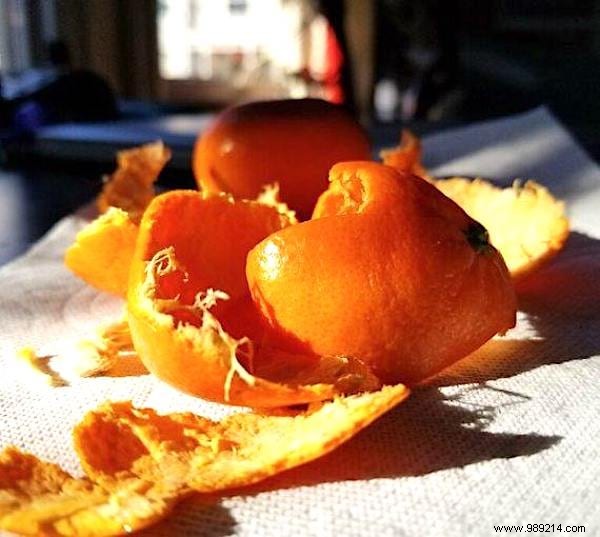
– Citrus peels: Scatter peels on soil.
– Coffee grounds: Spread used grounds; request free from local cafes.
– Human hair: Sprinkle from brushes or salons.
– Commercial sprays: Opt for non-toxic predator urine mimics safe for plants.
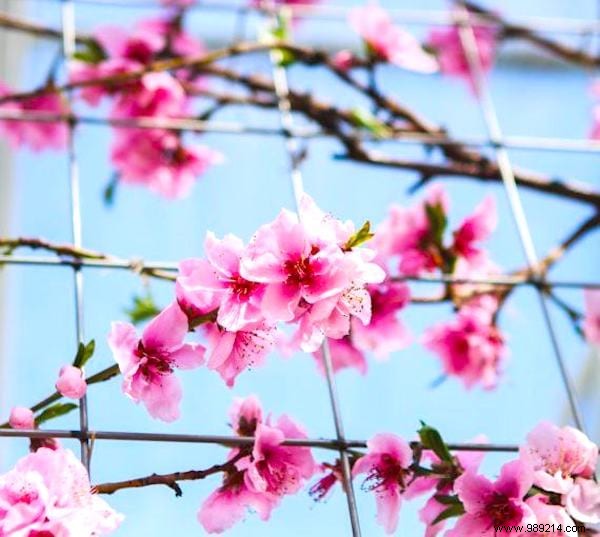
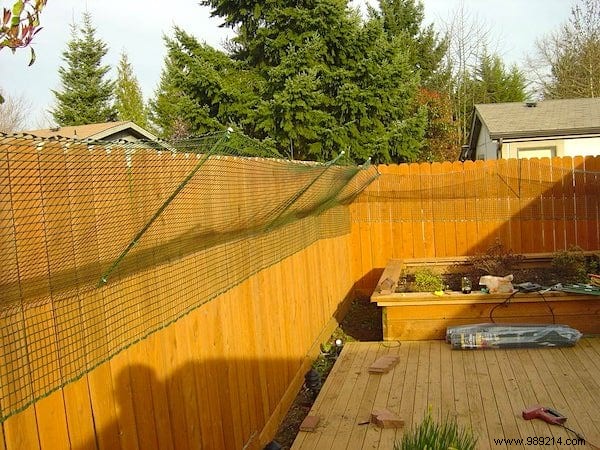
Erect a fence with 5 cm x 5 cm mesh, at least 1.75 m high. For existing wooden fences, add an outward-sloping mesh extension.
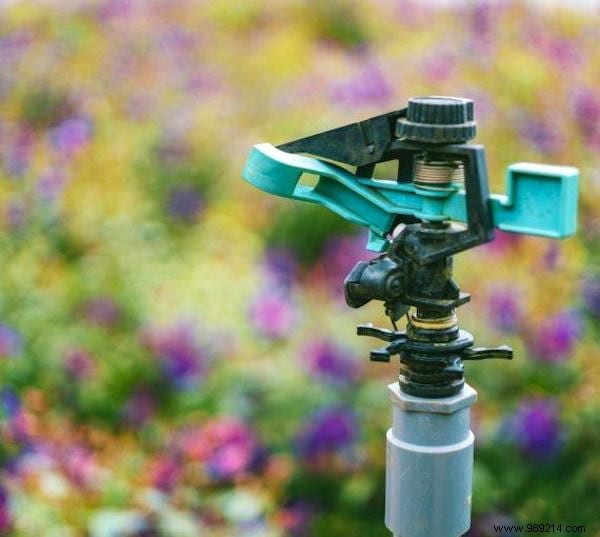
Regularly dampen soil with a spray bottle, hose, or motion-activated sprinkler. Deactivate during use and comply with water restrictions.

Hang wind chimes or bells. Shake gravel-filled jars manually, or use ultrasonic devices emitting cat-only sounds.
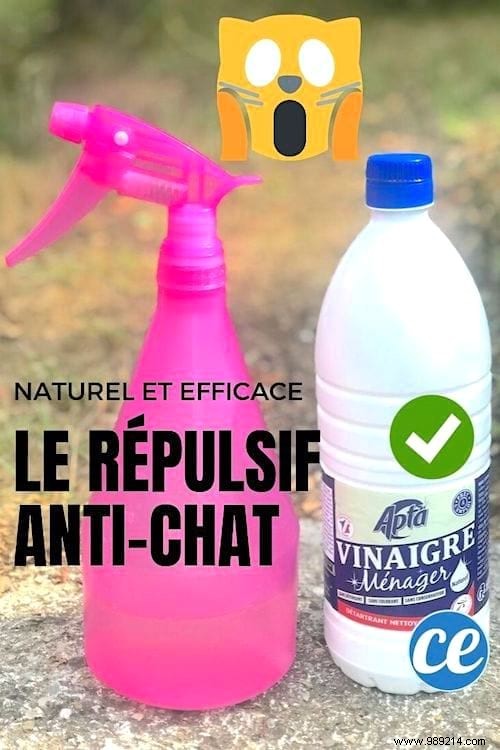
Cats detest vinegar's pungency. Spray pure vinegar on problem spots weekly, or soak newspapers and place them strategically.
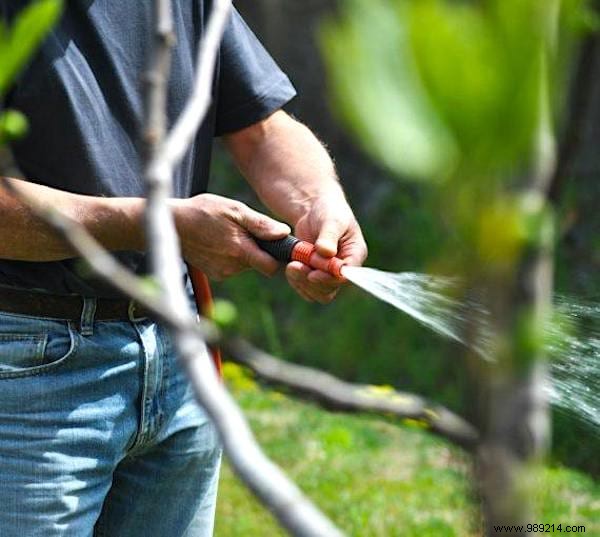
Hose away urine; use eco-friendly black soap for tough spots. Explore: 17 uses for black soap in home, garden, and beauty.

Plant catnip, mint, or honeysuckle near a sandbox to redirect the cat—a compromise to protect your veggies.
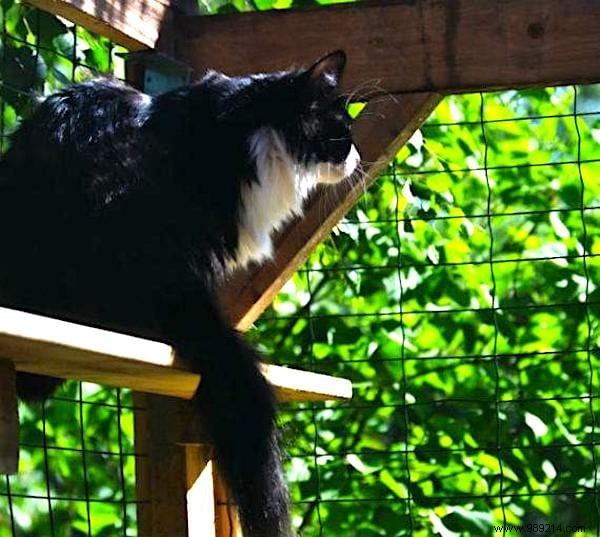
For your own cat, construct a safe enclosure to let it enjoy outdoors without harming plants or wildlife.
1. Health risks from droppings: Unlike herbivore manure, cat feces carry parasites/pathogens—a concern for edible gardens (dogs too).
2. Bird predation: Cats kill billions annually per studies; support pollinators instead.
3. Neighbor relations: Avoid tension over cats fouling your patch.
