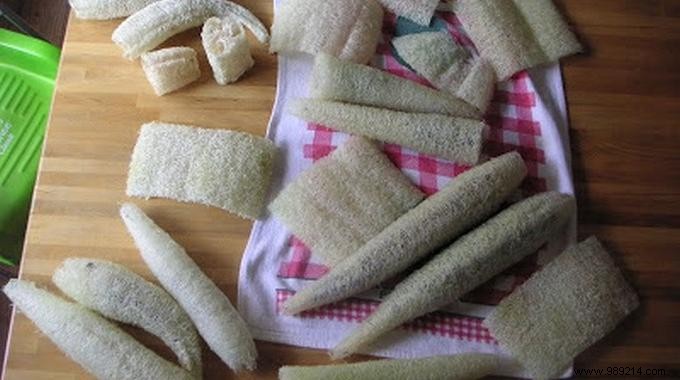
Did you know you can grow natural sponges right in your garden? These versatile loofahs—perfect for dishwashing, floor mopping, and more—are part of the squash family and incredibly easy to cultivate from seeds.
As a gardener with years of hands-on experience growing cucurbits, I can confirm this method yields reliable, eco-friendly results year after year.
1. Source Luffa aegyptiaca seeds from a reputable supplier.
2. Sow seeds in small biodegradable pots in early spring (April/May).
Note: Keep seedlings in a bright, temperate spot around 12°C.
3. After about a month, transplant seedlings into the ground or a large planter.
Note: Biodegradable pots allow direct planting without disturbing delicate roots.
4. Space plants 1-2 meters apart, as these vigorous climbers spread like other cucurbits.
5. Water regularly and amend soil with compost as needed.
6. Expect 3-5 fruits per plant; harvest in fall.
7. Dry fruits thoroughly, then soak in water for several days.
8. Remove the inner pulp and seeds.
9. Blanch the remaining fiber in boiling water.
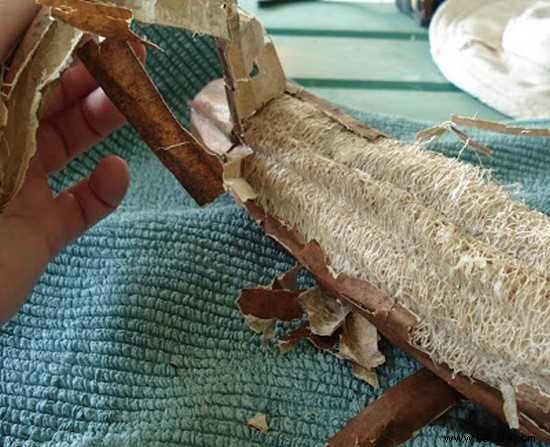
10. Air-dry to reveal a durable, fibrous sponge cylinder.
There you have it—homegrown vegetable sponges ready for use! Simply slice the cylinder to your desired thickness.
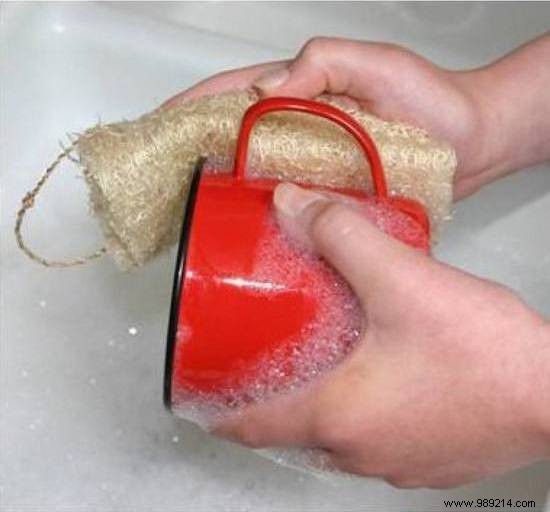
These natural loofahs excel at scrubbing floors, washing dishes, or even as exfoliating gloves. Rinse, dry, and reuse after each use for sustainability.
No garden? Purchase ready-made loofah sponges from trusted sources.
Save seeds from step 8 in a dry container. Replant next season to keep your supply going indefinitely.
