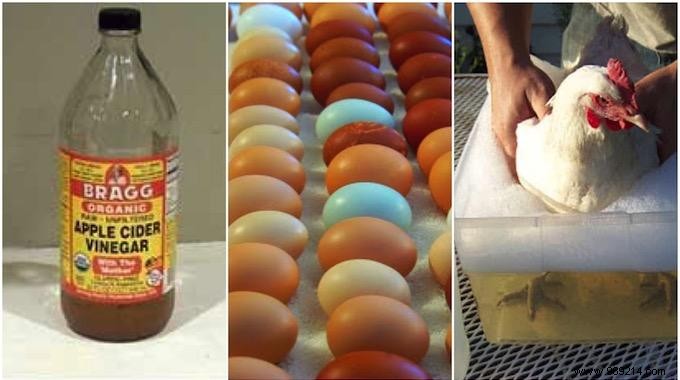
As a backyard chicken keeper with years of hands-on experience, I've relied on vinegar as a versatile, natural alternative to harsh chemicals. It's my go-to for everything from household cleaning to flock care.
I use it for fabric softening, window cleaning, descaling appliances, weed control, and even as a hair conditioner. With types like white, apple cider, red wine, malt, and balsamic vinegars available, apple cider vinegar stands out for its health benefits—my grandmother swore by it diluted for sore throats, claiming it "cuts the cold and clears sinuses."
These properties make vinegar invaluable in the chicken coop too. Here are 9 practical uses I've tested and refined over time:
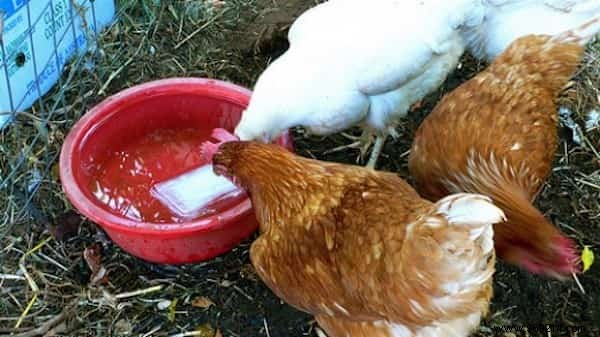
Add a few tablespoons of apple cider vinegar to your chickens' drinking water. Its antibiotic and acetic acid properties combat bacteria, support respiratory health, promote digestion, boost immunity, and prevent dehydration in heat. Replenish every few days. Caution: Avoid metal containers, as vinegar corrodes them, potentially contaminating water.
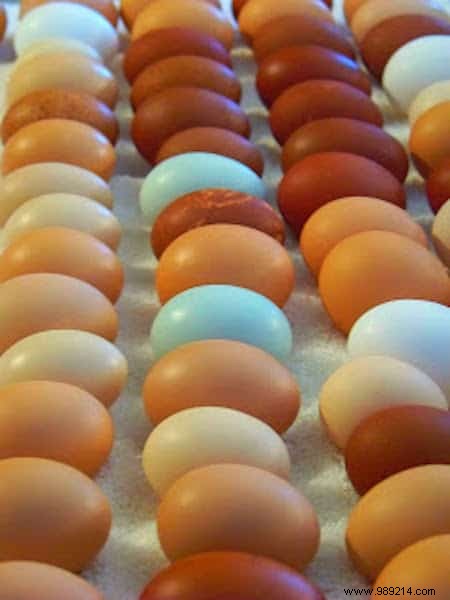
For spotless eggs, dip them in warm white vinegar for 10 seconds. It enhances shell color, removes stains, and loosens dirt without damaging the bloom.
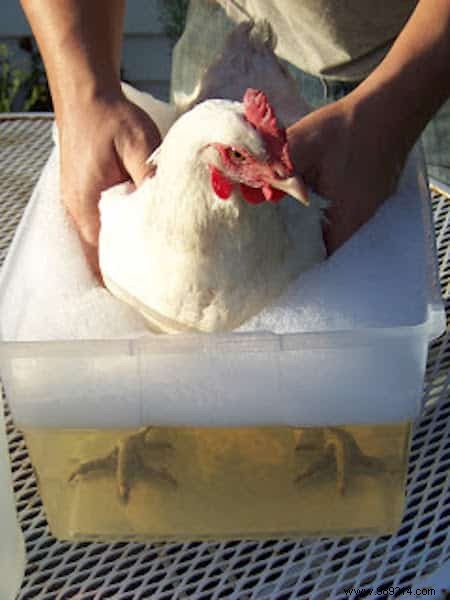
Occasional baths keep hens healthy. Add apple cider vinegar to rinse water to eliminate soap residue, cleanse skin and feathers, and deter parasites.
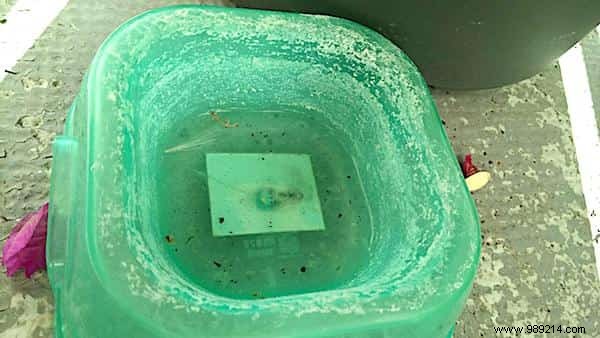
Hard water builds limescale, creating bacteria hotspots. Fill with white vinegar, let sit, scrub, then wash with soap and water.
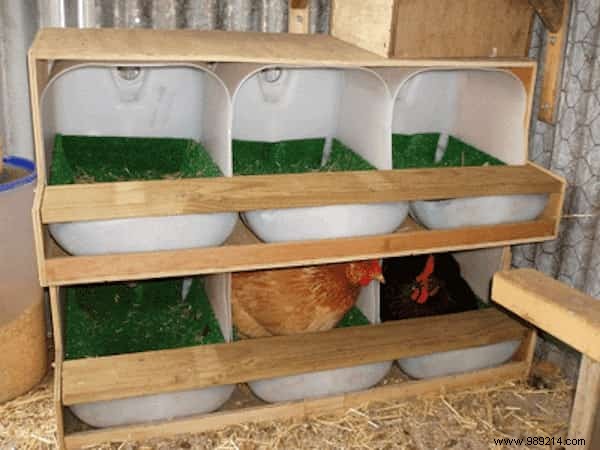
Spray white vinegar on nesting boxes and coop walls post-cleaning. It disinfects, repels mites/lice, deodorizes, and dissolves dried egg without chemicals. Its bleaching action tackles stains.
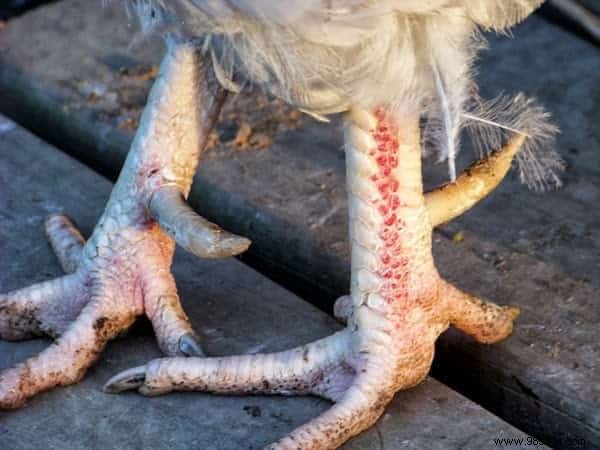
Dilute white vinegar in hot water for a 3-minute compress or foot soak. Scrub with a stiff brush, rinse, and apply petroleum jelly to prevent infections and pests.
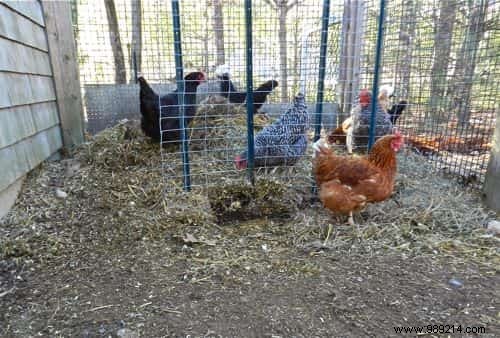
Spray white vinegar into cracks, crevices, drinker rims, quarantine cages, and brooder bins. It tackles tough grime naturally.
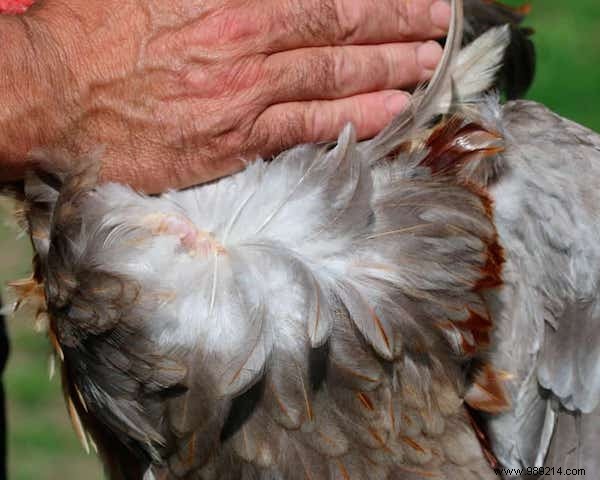
Prevent parasites with twice-weekly sprays of vinegar water on neck, thighs, and under wings, alternating with diatomaceous earth baths. Safer than chemical dewormers.
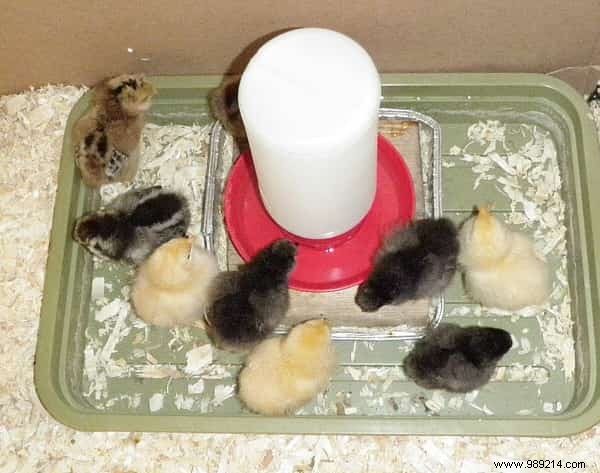
Post-hatch, wipe with white vinegar to deodorize, disinfect, and remove mold. Use 70° alcohol on the motor with a swab for quick evaporation.
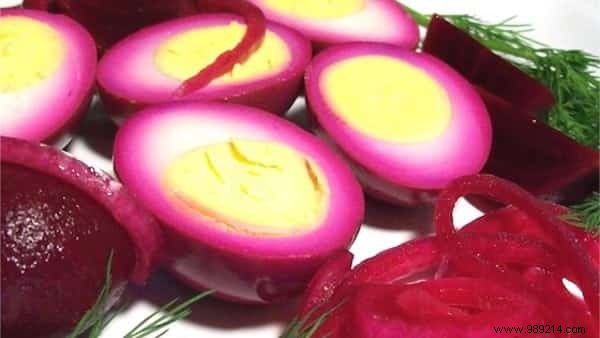
Preserve surplus eggs deliciously: For 8 eggs, hard-boil, cool, and shell. Layer in a jar with 450g beets and 1 sliced onion. Simmer 200g sugar, beet juice, 230ml apple cider vinegar, salt, pepper, and herbs for 5 minutes; pour over eggs. Refrigerate 48 hours. Great with veggies!
For more backyard chicken tips, check this trusted guide: