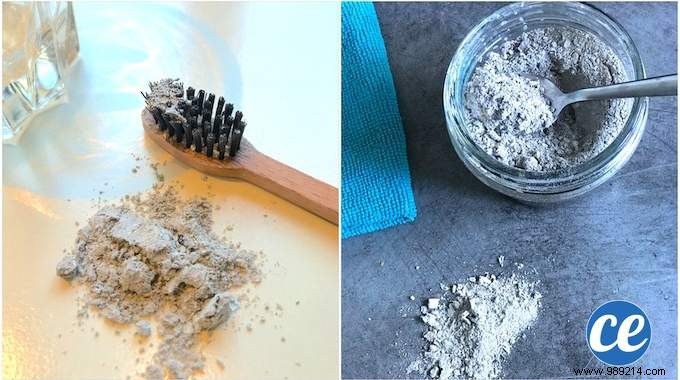
There's nothing quite like a cozy wood fire in the fireplace or stove during winter. But what about the ashes left behind?
Wood ash is a versatile resource with proven applications in gardening and household cleaning. As seasoned homeowners and gardeners can attest, it's effective, eco-friendly, and completely free.
Here are 11 practical uses for wood ash everyone should know. See how:
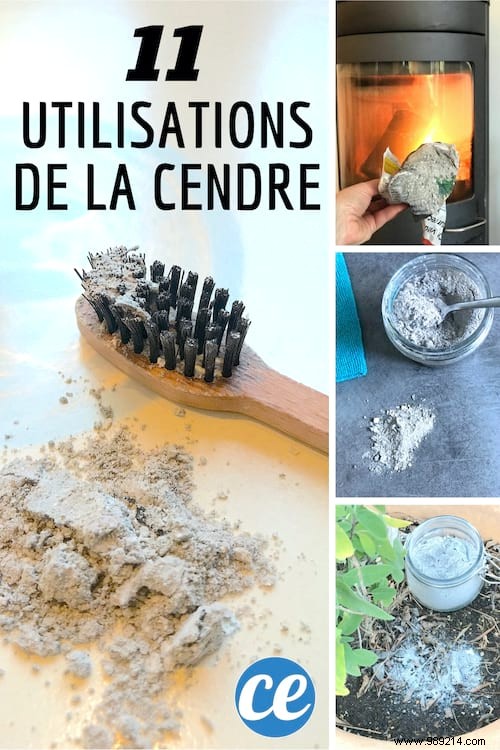
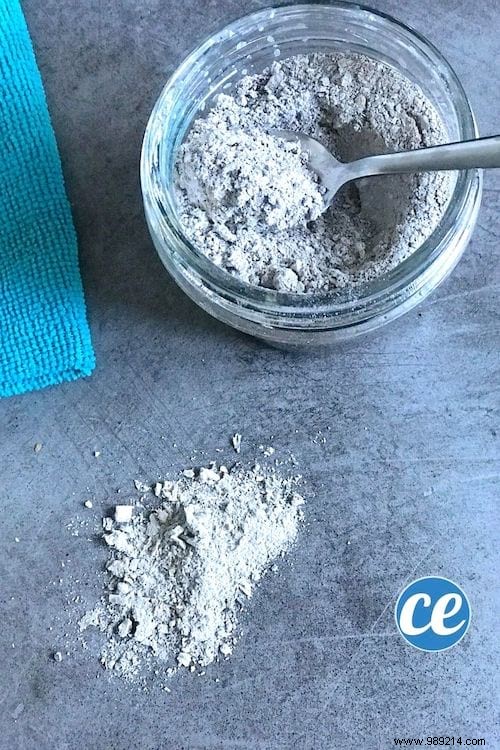
Wood ash makes an excellent, mild abrasive cleaner. It's gentle on surfaces yet highly effective at cutting through grease.
It's ideal for stainless steel sinks, countertops, glass-ceramic cooktops, enameled hobs, ceramic sinks, and enameled steel bathtubs.
First, sift the ash finely using a tea strainer. Dampen a cloth, dip it in the ash, and scrub the surface. Rinse thoroughly with water.
Avoid using on aluminum, chrome, plastic, or scratch-prone surfaces.
To discover: Here's how to make your homemade scouring cream.
Use finely sifted wood ash to rub and polish silver jewelry, cutlery, or objects. Rinse and dry thoroughly for a like-new shine.
Pro tip: Store silver with a piece of chalk to absorb moisture and prevent tarnishing. Baking powder or toothpaste also work well.
To discover: How to Clean Silver Jewelry? My Economic Council.
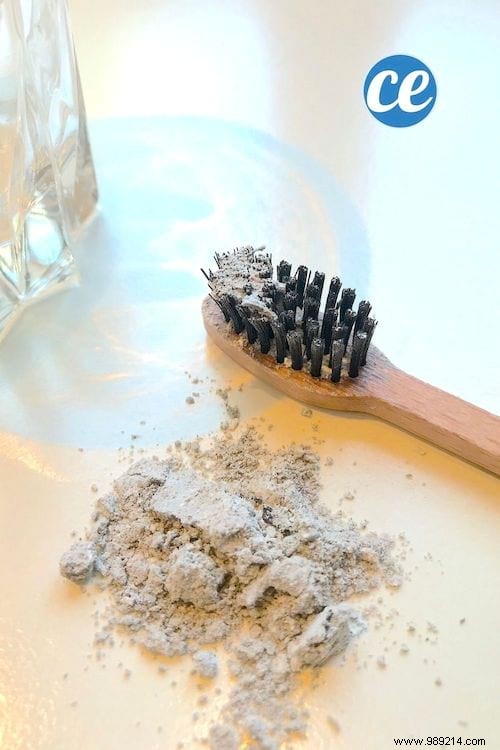
Primitive peoples and early Europeans used wood ash for dental care. Finely sifted ash acts as a mild abrasive, supplies minerals like zinc, potassium, magnesium, and calcium, and neutralizes mouth acids with its alkaline pH.
Sprinkle dampened toothbrush with ash and brush as usual. Rinse thoroughly to avoid gum irritation. Mix into homemade toothpaste for best results.
To discover: My Homemade Toothpaste Recipe For Whiter, Healthier Teeth.
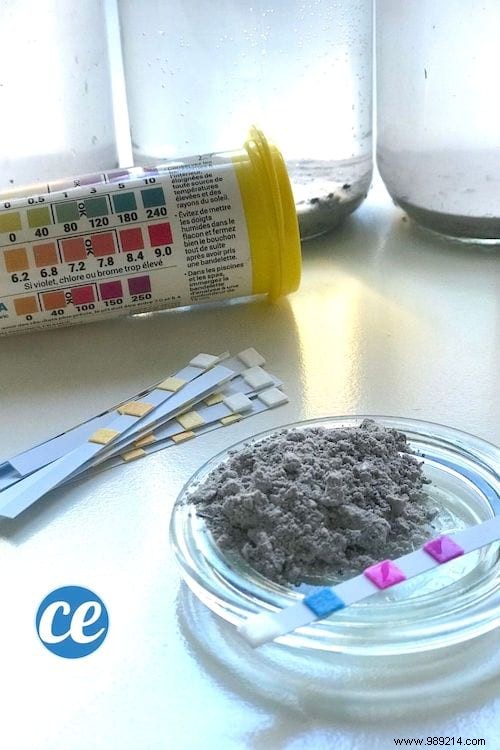
Historically, ash's high potash content made it a go-to for grease removal. Mix 8 tablespoons of ash in 1 liter of cold water; let sit 6 hours for a pH of 8.5-9.
Strain the liquid for use as floor cleaner, dish soap, or mild detergent. Longer maceration (20+ hours) yields stronger pH 10-11 solution, but never exceed pH 12 to prevent burns. Test with pH strips.
To discover: I Made My Wood Ash Detergent! My Opinion on Its Effectiveness.
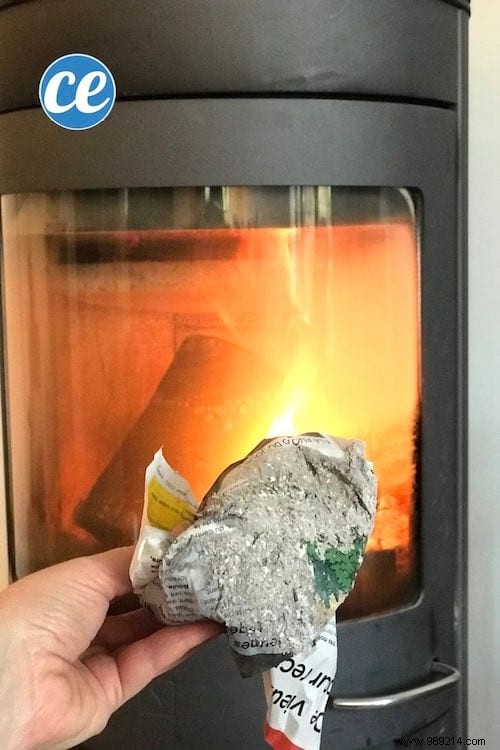
Skip commercial cleaners. Dip crumpled newspaper in cold ash, scrub soot from stove or insert glass, then wipe with dry newspaper for a clear view of the flames.
To discover: How to Clean the Glass of a Very Dirty Insert WITHOUT Chemicals.
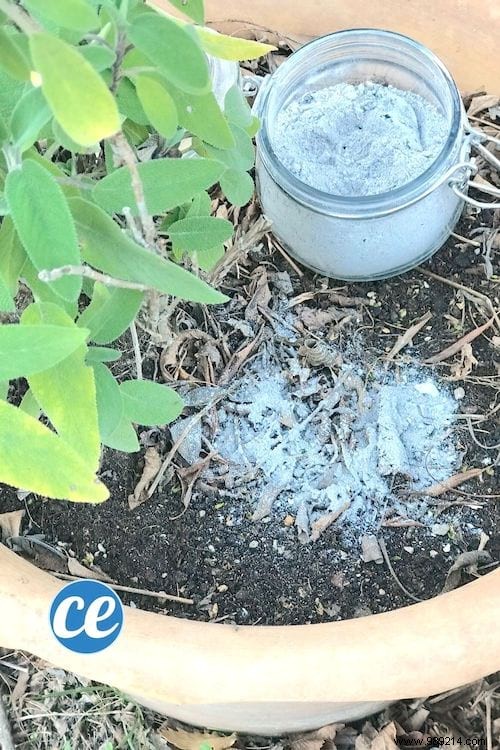
Rich in potassium and lime, wood ash amends acidic soils, promoting deeper roots and healthier plant growth. Apply sparingly for best results.
To discover: The 7 Best DIY Fertilizers For The Garden.
Sprinkle a thin layer around plants to deter slugs, leaf beetles, and flea beetles. Use on chickens for parasite control. Pair with other natural remedies for aphids.
To discover: The Natural Insecticide Every Gardener Should Know.
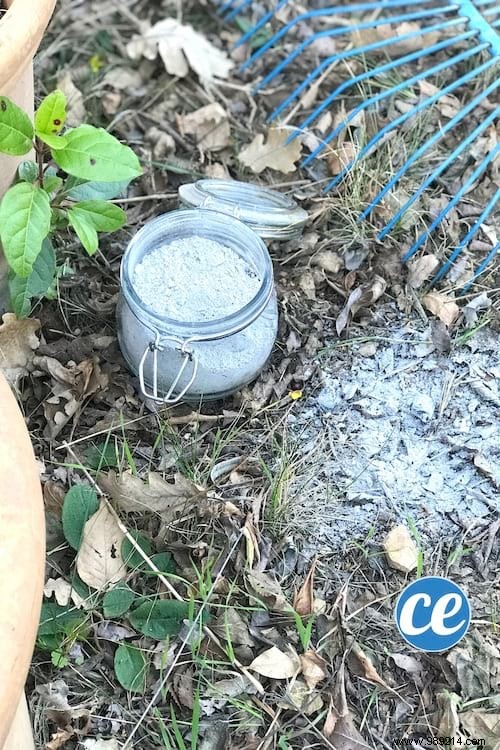
Combat dandelions, thistles, nettles, plantain, and horsetail by covering roots with ash. Better than chemicals. Or harvest edible weeds for nutrients—see 24 easy-to-identify edible plants.
Apply thick ash layer to terraces, balconies, stairs, or greenhouses; spray with water, let sit, then scrub with brush and warm water.
To discover: 2 Tips for Removing Moss on the Terrace (Revealed by a Gardener).
Dip stems of sap-rich flowers like amaryllis, pelargoniums, orchids, aloe vera, or asparagus in ash to seal cuts and prolong vase life.
To discover: The Trick To Make Flowers Last Longer.
Traditionally used on roads, it's now best for garden paths with clean, known-origin wood ash to avoid environmental impact.
To discover: 2 Natural And Effective Tricks To Melt Ice.
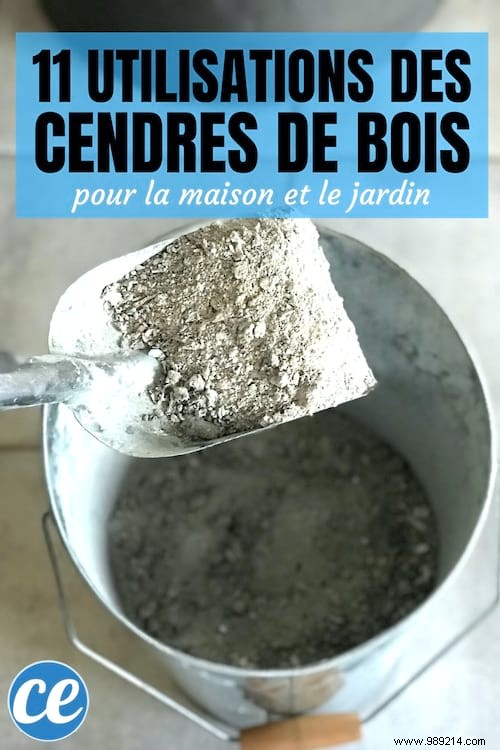
For safe, effective ash: Use untreated hardwoods like beech, oak, ash, or fruit trees. Avoid charcoal, briquettes, printed paper, plastics, or oily rags due to heavy metals. Natural additions like leaves or sawdust are fine.
Have you tried these wood ash tips at home or in the garden? Share your experiences in the comments—we'd love to hear!
