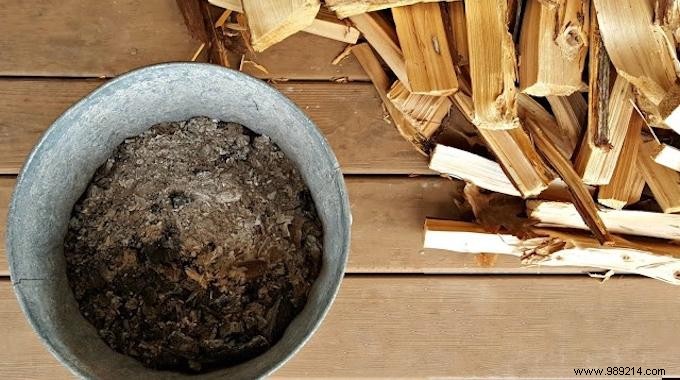
If you burn firewood at home, you've likely wondered what to do with the leftover ash. As a gardening enthusiast with years of hands-on experience, I've found wood ash to be a powerhouse for home maintenance, garden care, composting, and even pest control. Hardwoods like oak yield denser ash packed with more nutrients than softwoods like pine.
Recognized for millennia—Roman agronomist Palladius documented its benefits—wood ash remains a trusted, sustainable resource today. Here's a table of contents:
Contents
Explore these 13 time-tested applications:

Rub a handful of dry wood ash into your dog's fur and brush it out. This natural deodorizer neutralizes odors and repels parasites, offering a quick alternative to baths—ideal for frequent outdoor adventures.
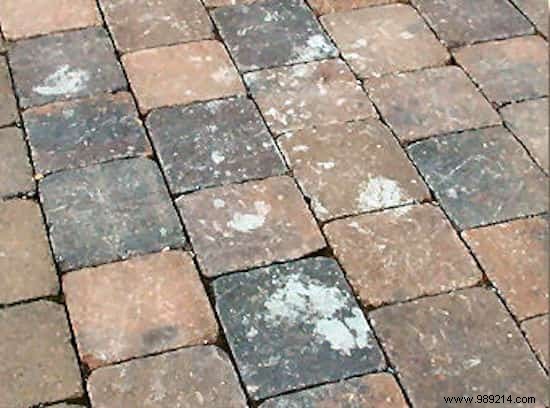
Sprinkle wood ash on paint splatters on tiles or pavement, then scrub with a stiff brush. Its mild abrasiveness lifts stains effortlessly without harsh chemicals—proven effective in my own DIY projects.
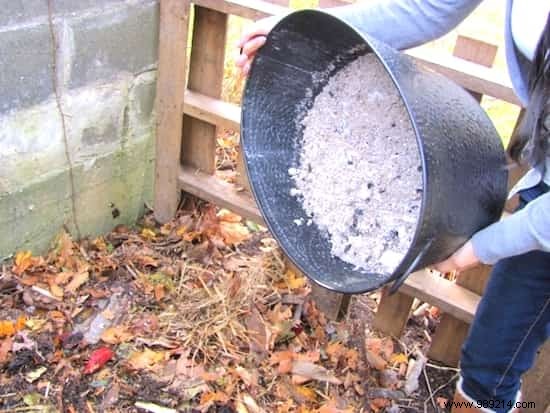
Sprinkle a thin layer of wood ash into your compost pile to boost potassium and calcium levels. Use sparingly to maintain pH balance and avoid over-alkalizing—my compost thrives with this measured addition.
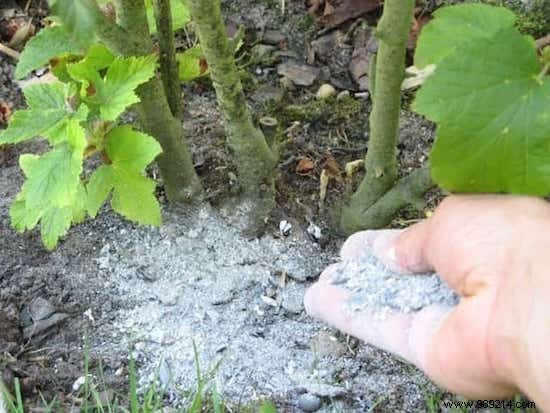
Spread a light ring of ash around vegetable beds. Slugs and snails avoid crossing it due to dehydration risk, protecting your greens naturally and effectively.

Scatter wood ash over icy paths instead of salt. It provides traction while melting ice and enriches soil as it washes away—safer for plants and pets.
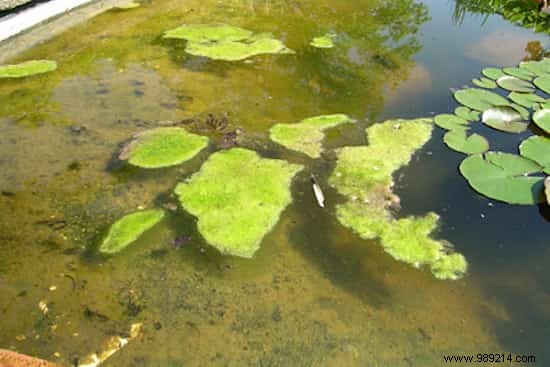
In garden ponds, add 1 tablespoon of ash per 3700 liters of water. The potassium fortifies beneficial plants, outcompeting algae for a clearer, balanced ecosystem.
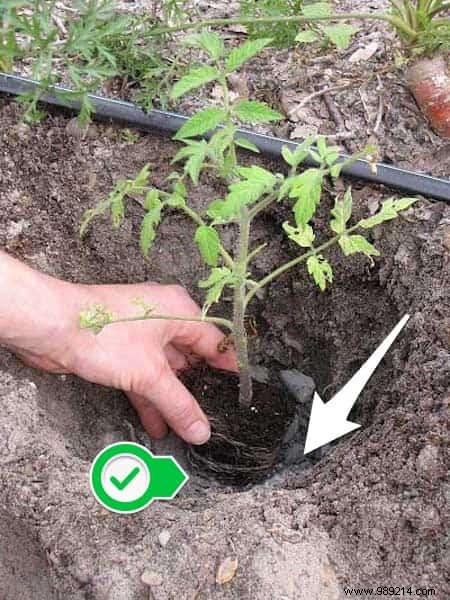
Tomatoes crave calcium—add 1/4 cup of wood ash to each planting hole for stronger roots, better fruit set, and disease resistance, based on my bountiful harvests.

Dampen a sponge with water, dip in ash, and wipe soot from glass. The fine grit polishes without scratching—restores clarity in minutes.
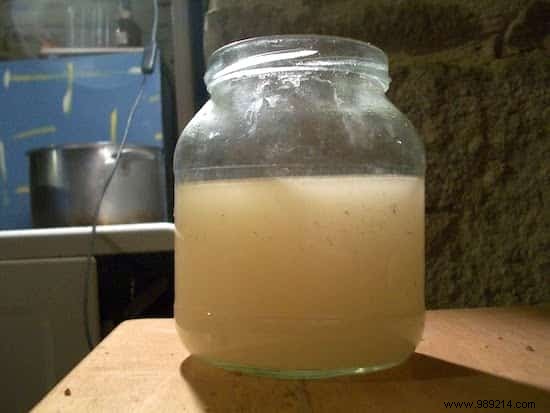
Steep ash in water to create lye, mix with fats or oils, and boil. Cool with salt for solid bars. This traditional method yields effective, natural soap—patience rewarded.

Mix ash with water into a paste and buff silverware or jewelry. Eco-friendly polishing restores luster without toxins.
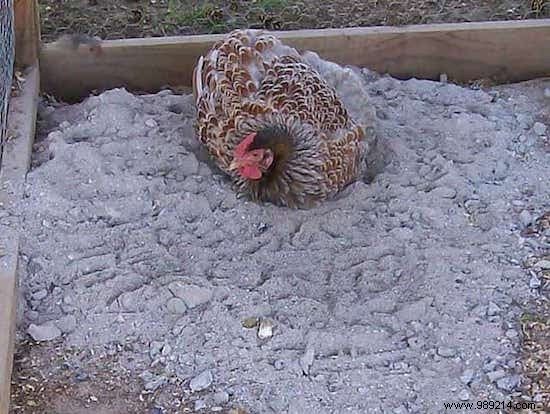
Place a tray of ash in the coop for dust bathing. Chickens naturally shed parasites—rub it in manually for extra care and healthier flocks.
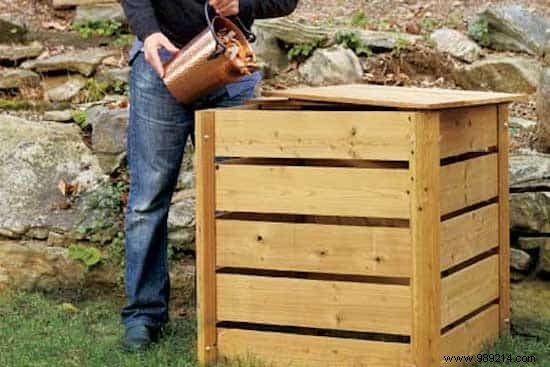
Dust lightly in the bin to neutralize smells, adjust pH, and accelerate decomposition—a staple in my odor-free composting routine.
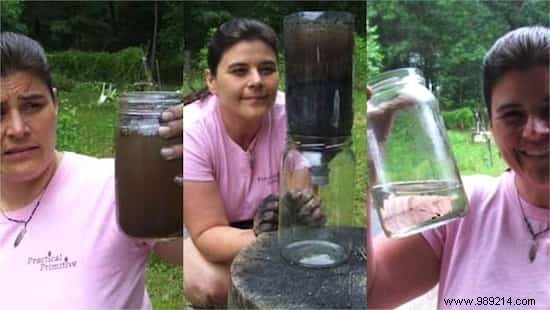
In survival scenarios, ash filters impurities from water via adsorption. A practical, ancient technique validated by modern tests.
