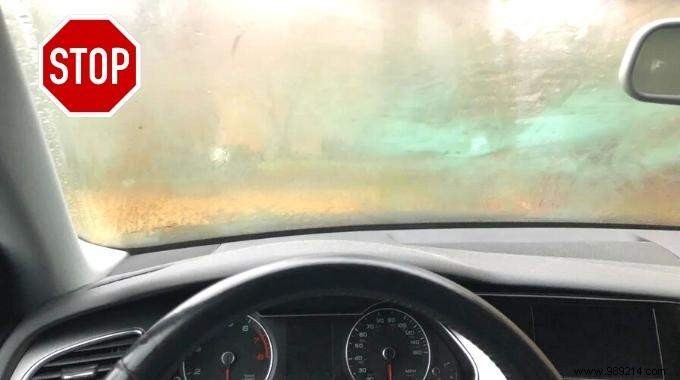
As an experienced automotive technician, I've seen how moisture buildup in your car's interior can lead to foggy windows, musty odors, and even safety hazards. It's not just bad weather—it's often due to simple oversights in maintenance. Learn the 9 key mistakes to avoid and keep your vehicle dry and comfortable.

Excess humidity in the cabin is more than an annoyance—it's a serious issue. It causes windows to fog up, creating blind spots and increasing accident risks. Over time, it fosters bacteria growth, leading to allergies, coughs, or asthma. Moisture can also damage the engine, headlights, spark plugs, and reduce resale value. Acting early prevents these problems.

Drainage channels between the windshield and hood, around the sunroof, or at the rear evacuate rainwater. Clogged with debris, they trap water, leading to interior humidity. Inspect regularly, clear by hand, and check for roof leaks during services.
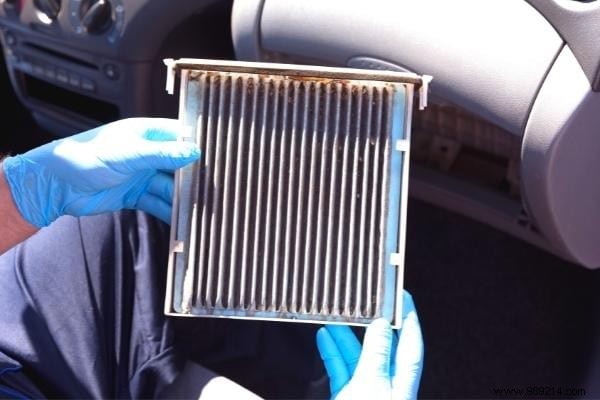
The pollen filter needs replacement at least annually. A dirty filter restricts airflow, traps moisture, and breeds bacteria. It's inexpensive (10-20 euros) and easy to swap during routine maintenance.
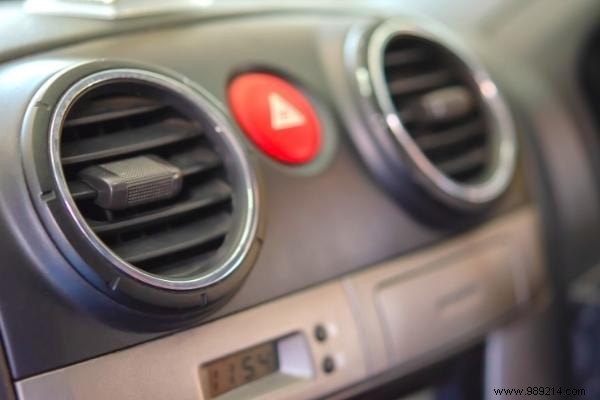
Skipping ventilation traps humidity. Run the fan with hot air to evaporate moisture—it won't significantly impact fuel use. Use A/C even in cold weather; it dries air faster, lubricates seals, prevents mold, and eliminates odors. Maintain it regularly for peak performance. If the heater isn't warm yet, crack windows to vent stale air.

Avoid bringing moisture inside. Stow wet clothes in the trunk, wipe shoes, and dry floor mats. If garaged, leave windows slightly open for airflow.
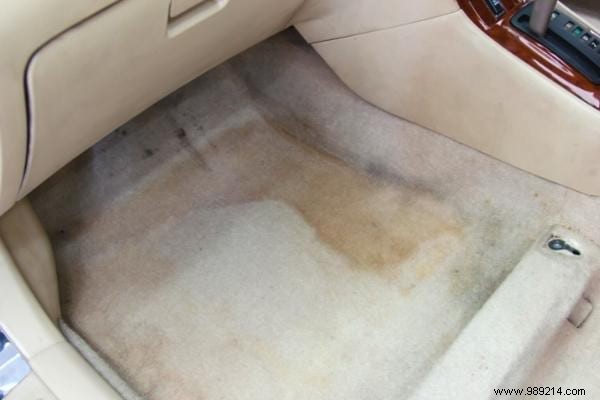
Check under mats for damp carpets from spills or capillary action, especially with musty smells. Use newspaper to absorb moisture or DIY desiccants: fill socks with charcoal, cat litter, salt, or rice and place on wet areas.
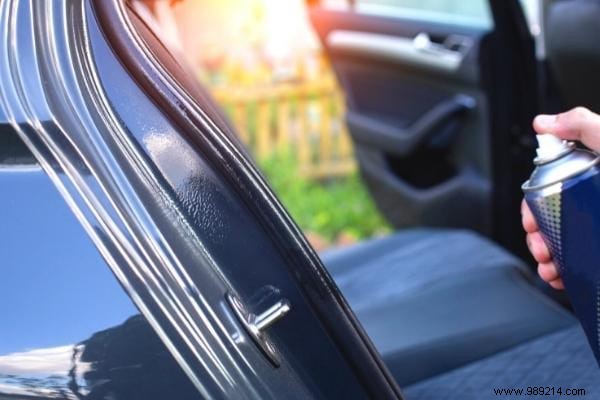
Weather wears rubber seals, making them porous and letting in moisture. Use rubber care products to maintain flexibility and waterproofing.

Rust creates entry points for water, forming interior moisture pockets—even from underbody corrosion. Regularly inspect the chassis.
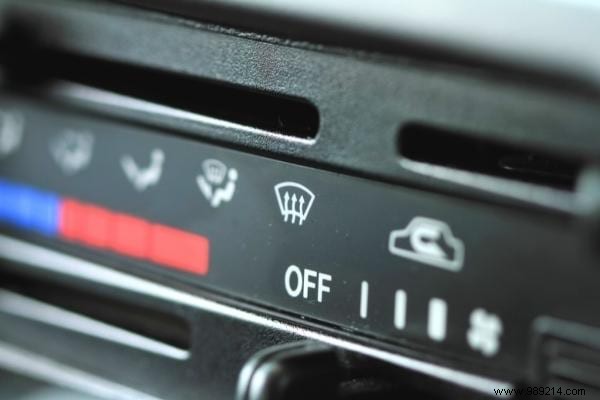
A leaking heater core causes persistent dampness and odors. Test by running heat to the windshield—if it fogs, or floor water is colored, replace the exchanger (15-30 euros, but labor-intensive). Consult pros like Norauto.
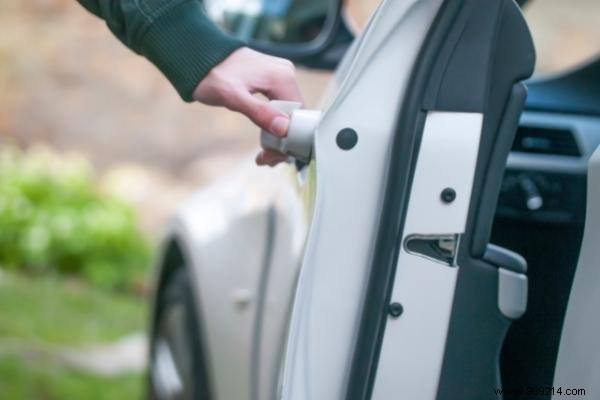
Air out your car daily like your home. Use car dehumidifiers overnight: condensing types collect water, absorber types use fans and wheels, or salt-based ones with collection tanks.
Avoid these pitfalls to banish fog, mold, and odors from seats and cabin—for any vehicle, from diesel Golfs to electric Teslas. No more scrubbing stains!
Have these tips helped keep your car dry? Share in the comments—we'd love to hear your experiences!
