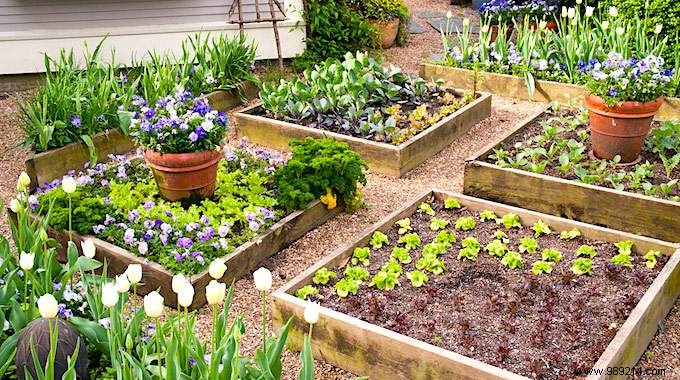
Planning your first raised vegetable garden? As a seasoned gardener with years of hands-on experience, I've seen what works—and what doesn't. Here are the 7 common pitfalls beginners make, and how to sidestep them for success right from the start.
Raised beds offer superior yields, easier weeding, and less effort compared to traditional in-ground planting. But small errors early on can derail your efforts. Learn from my trial and error to get it right the first time.
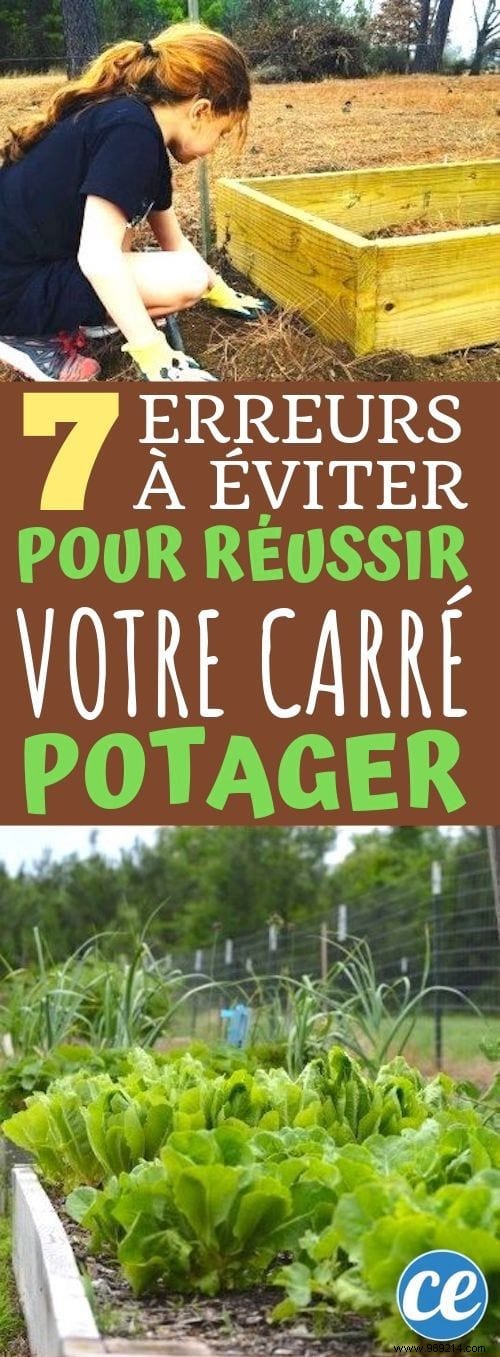

Standard raised bed width is 1.20 m (about 4 feet), but sometimes it needs to be narrower. The key is accessing all areas without stepping on the soil, which compacts it and harms roots.
If placing beds against a fence, limit width to 75 cm (about 30 inches). Related read: 23 Market Gardening Tips for a Successful First Vegetable Garden.
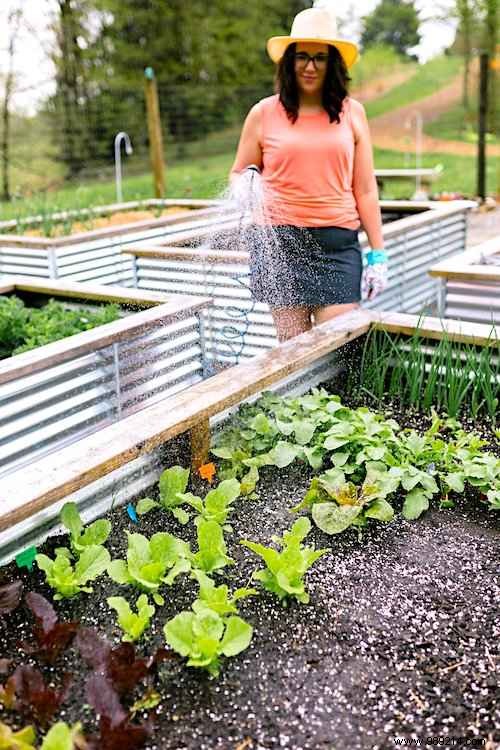
Hand-watering with a can gets old fast. Position beds near a water source, whether using a can, hose, or drip system—it saves time and energy.
For easy watering, try a budget-friendly microporous hose. Or, like in my garden, a drip irrigation kit proves most efficient. Related read: Save Water This Summer with Solar Drip Irrigation.
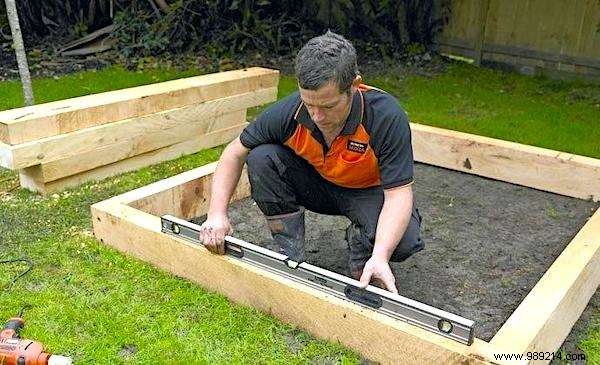
Choose materials carefully, especially wood, to protect soil and produce. Skip pressure-treated lumber made before 2003. Opt for untreated hardwood to prevent chemical leaching.
Avoid creosote-treated railway sleepers and old tires, which can release toxins. Related read: How to Make a Raised Vegetable Garden: The Easy and Cheap Method.
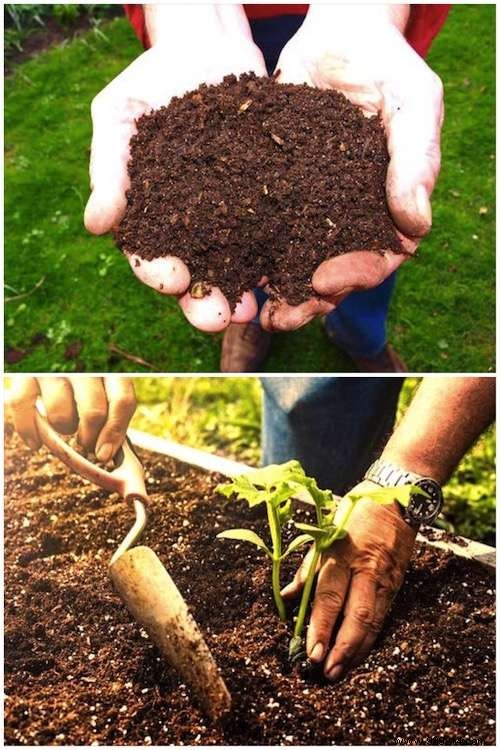
Potting soil drains too fast for raised beds. Overly rich composted manure leads to lush foliage but few fruits due to excess nitrogen.
I've had consistent success with 3/4 garden soil and 1/4 compost or organic matter—adjust based on your soil quality and budget. Related read: How to Fertilize Your Vegetable Garden's Soil Without Composting.
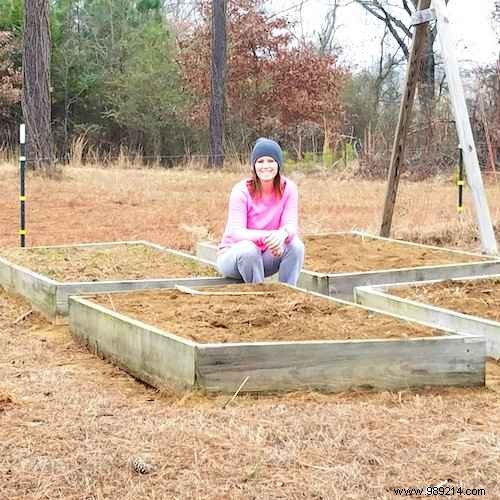
Leave 60-90 cm (2-3 feet) between beds for comfortable access during weeding, planting, and harvesting.
I learned this the hard way with my first setup—30 cm was impossibly tight as plants grew. Don't repeat my error! Related read: The 5 Secrets of Effortless Gardening.
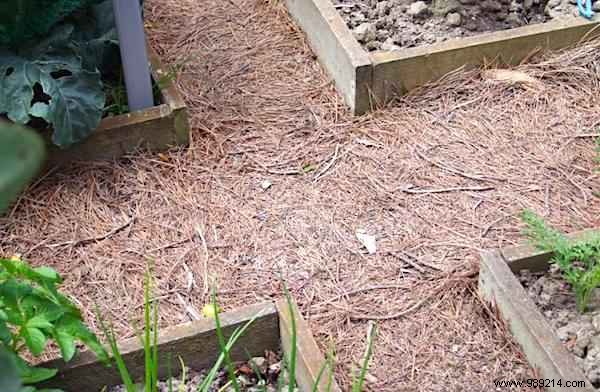
Weeding paths is tedious. Mow them regularly, or smother weeds with cardboard topped by mulch.
In my garden, slow-decomposing pine needles work wonders between beds. Related read: Powerful and Easy: Homemade White Vinegar Weed Killer.
Raised beds reduce weeds, but mulching inside prevents invasions entirely while regulating temperature and moisture—crucial for summer survival.
Follow these tips, and you'll enjoy abundant harvests. For more, check The Practical Guide to the Square Vegetable Garden by Anne-Marie Nageleisen, packed with pro advice.
Click here to discover the book.
Have you tried these for your vegetable garden? Share in the comments—we'd love to hear your results!
