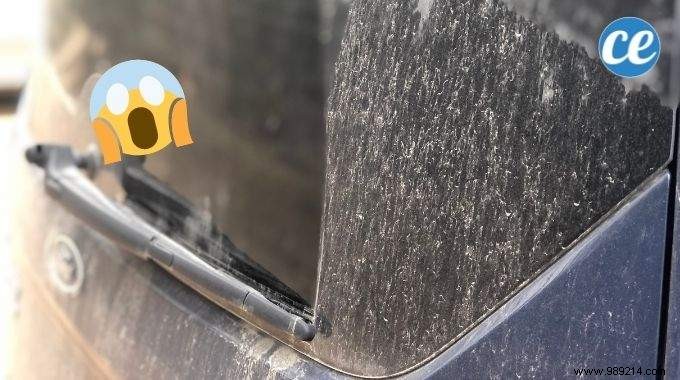
Has your car been blanketed in fine Sahara sand? It's astonishing how dust from the Sahara Desert can travel thousands of miles to cover vehicles across France and Europe.
As a car enthusiast with years of hands-on experience and advice from trusted mechanics, I've learned the right way to clean it without risking damage to your paintwork. These abrasive particles can cause micro-scratches if handled improperly—here's how to avoid that.
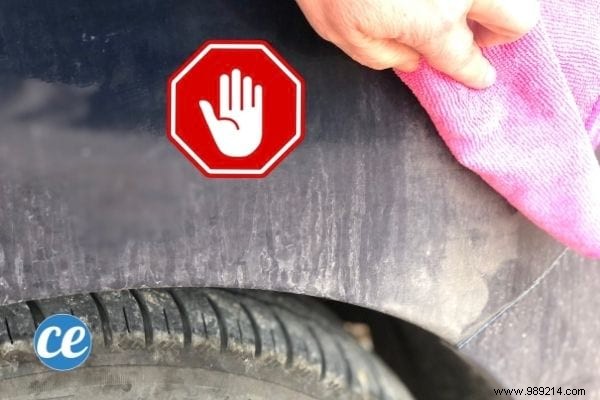
Never rub a cloth or sponge directly on sand-covered paint. The friction presses gritty particles into the surface, creating micro-scratches—essentially like using fine sandpaper.
Even gliding your hand over it can cause harm. Instead, start by rinsing generously with water to dislodge the sand. Only then proceed with car shampoo and a soft sponge or microfiber cloth.
For a budget-friendly option, try these proven homemade cleaners. They're effective for headlights too, and don't forget the windshield inside and out.
Not everyone can wash at home—regulations like Paris's Article 99-9 prohibit it if runoff reaches public roads, and similar rules apply elsewhere. Check with your local town hall.
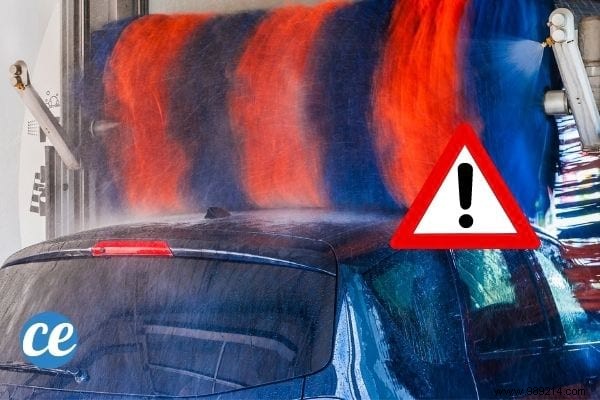
At self-service washes, avoid rollers entirely on sandy vehicles; even soft ones can grind particles into the paint. Opt for a pre-rinse, then high-pressure jets or manual washing services for safe results.
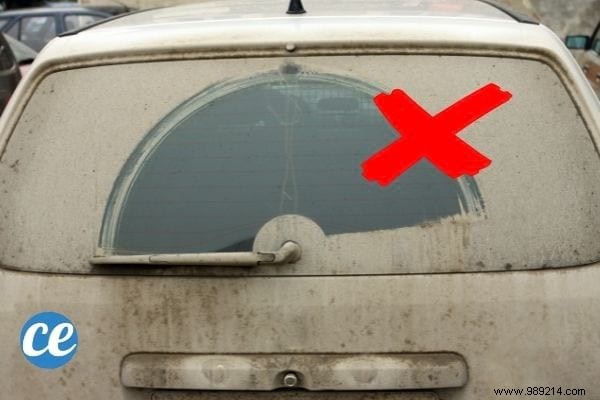
Driving with a dusty windshield is hazardous and tough on wipers. For both front and rear glass, rinse first to remove most sand.
Then activate wipers with washer fluid to clear residues streak-free. This prevents scratches and ensures clear visibility.
Sahara sand isn't corrosive—it's just dust that dirties but doesn't etch paint. Hold off washing until the event passes fully to save time and effort.
These steps work for all vehicles, from sedans to vans and motorhomes, across brands.
This phenomenon recurs, as seen in 2020 and 2021, affecting regions like Haute-Savoie, Lyon, Marseille, Bordeaux, and even Pyrenees snow, plus parts of Switzerland, Belgium, and Luxembourg.
Have you used these techniques successfully? Share your experience in the comments—we'd love to hear!
