Winter gardening tasks are vital for a healthy spring. If you amended soil last fall, shape beds now for future plantings. Check seed packet expiration dates and order supplies early. One often-overlooked essential is disinfection—a proven preventive measure against diseases and pests, drawing from years of hands-on gardening experience.

Disinfect secateurs thoroughly.
Pots, buckets, planters, boxes, and saucers need old soil removed, followed by washing in soapy water and disinfection.
White vinegar is an excellent, affordable option—highly effective for descaling and killing pathogens.
To halt parasite spread, treat everything: cutting tool blades (secateurs, hedge trimmers, chainsaws), stakes, bamboos, frames, glass panes, winter veils, cloches, and all cultivation gear.
Spraying paraffinic oil on tree bark controls overwintering pests, but dirty tools can reintroduce fungi and bacteria, undoing your work.
Tomato troubles like powdery mildew or red spider mites often start from infested stakes and ties carrying invisible spores or eggs. Always disinfect reused strings.
Experienced natural gardeners prioritize tool disinfection to minimize pesticide reliance—it's a cornerstone of sustainable practices.
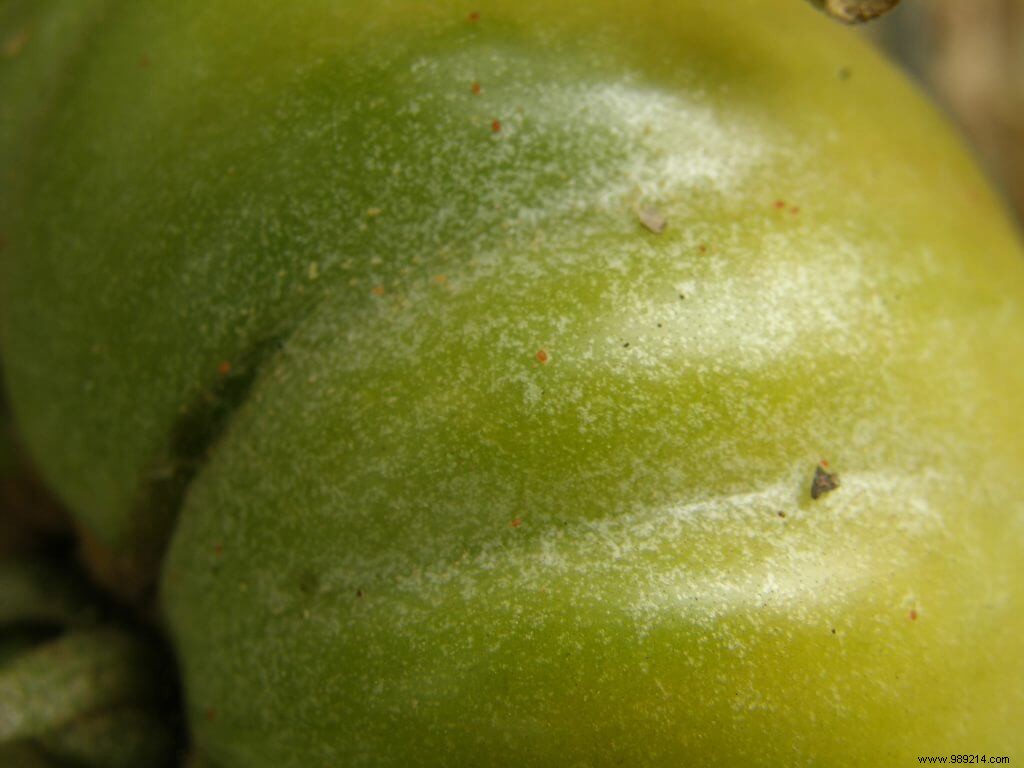
Mite damage on tomatoes.
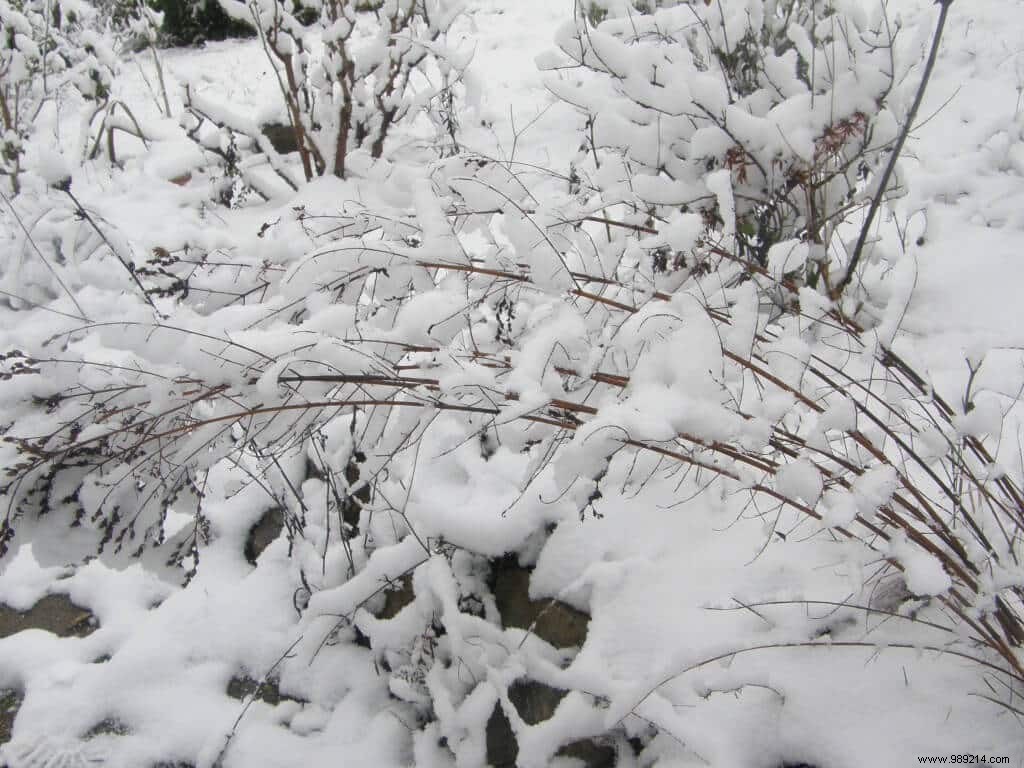
To prevent branch breakage, shake snow from trees and shrubs promptly before weight accumulates.