Statistics show that about two in 10 adults regularly work outside the home, while three in 10 work at least part-time. Projections indicate these figures will grow by 10 percent annually in the coming years.
Working from home often starts with a makeshift setup, like a dining table or dim basement corner. These informal spaces rarely support long-term productivity. A thoughtfully designed workspace enhances efficiency and elevates your overall work experience.
As you'll spend significant time there, prioritize key factors: optimal location, ergonomic furniture, proper lighting, seamless integration with your home décor, and organizational tools. View this as a chance to craft a personalized environment tailored to your needs.
A spare bedroom often makes an ideal home office. If converting one, measure the space and sketch a basic layout.
List essential equipment—desk, computer, fax, phone, copier, filing cabinets—and plan their placement. Stick to must-haves and frequently used items.
Note existing electrical and phone outlets, measuring their positions. Unless adding new ones, they'll influence furniture and equipment layout.
Consider family dynamics: Will the space be exclusively yours, or shared for calls and computer use?
Set a budget upfront for furniture, equipment, and setup costs. Research needs beforehand to avoid unnecessary purchases. In tight spaces, maximize vertical storage with shelves and wall units.
Start shopping at office supply stores, which dedicate sections to home offices with desks, chairs, and lighting suited to residential settings.
Most items arrive boxed for self-assembly—or hire help if needed.
Invest in a quality ergonomic chair: Expect to pay $150-$180 for lasting comfort and support.
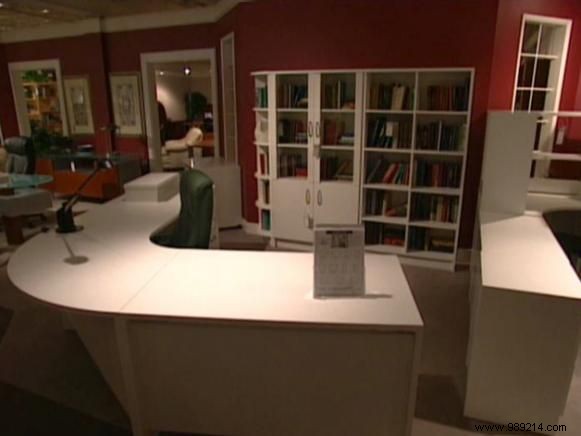
Check furniture stores too, offering stylish office pieces from retro to contemporary—metal, glass, marble, wood; rectangular, L-, U-, or curved desks. Modular options allow flexible growth. Choose a desk as your central hub, matching your workflow.
Lighting is crucial to prevent eye strain and fatigue. Optimal illumination—natural or artificial—comes from behind, lighting your workspace without monitor glare. Select from various desk lamps and fixtures at office retailers.
