Bamboo is a stunning ornamental grass that can turn invasive, spreading aggressively via underground rhizomes. Without a proper rhizome barrier, it colonizes your yard, competing for light, water, and nutrients from other plants. Its tenacious growth makes it a common challenge for homeowners inheriting untamed clumps.
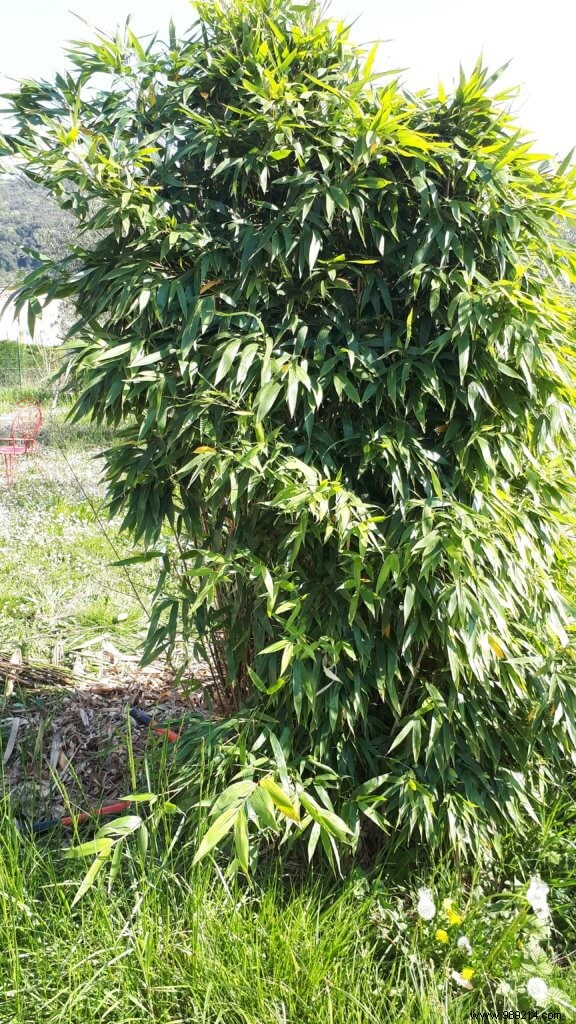
Drawing from years of hands-on experience managing tough perennials, here's a proven, chemical-free approach to reclaim your space if it was planted without containment.
Start with aggressive pruning: cut all culms (bamboo stems) flush to ground level.
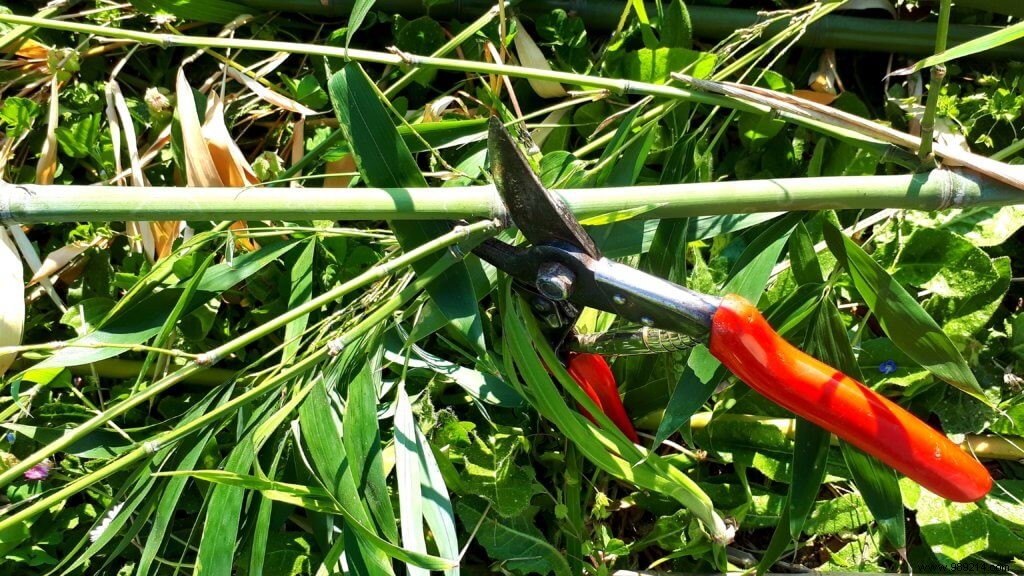
Avoid hedge trimmers, chainsaws, backpack brushcutters, or regular saws—they're ineffective on bamboo's woody culms. Opt for bypass pruning shears (loppers) with long handles for leverage. Skip anvil-style pruners, which crush rather than cut cleanly. Bypass models use a sharp blade rubbing against a counter-blade for precise slices.
Protect the blade from stones—it's a chisel edge, not serrated.
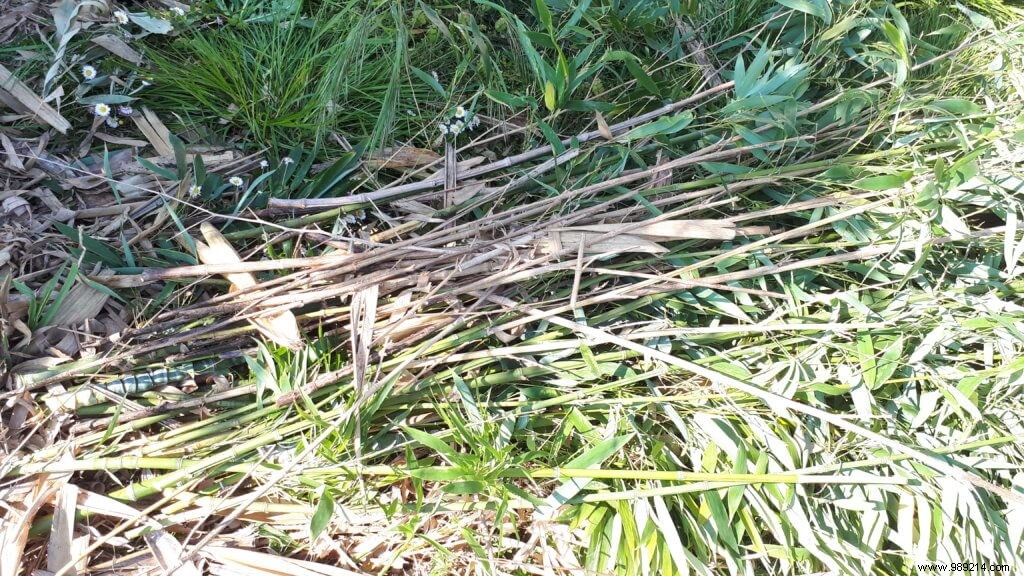
Align cut culms in one direction for easy hauling and disposal.
Skip composting side shoots—they break down slowly. Dry central leaves from the clump are compost-safe.
Post-pruning, focus on rhizomes—the hardest part. Repeatedly snip emerging shoots with shears or loppers; this halts photosynthesis, weakening the plant over time.
For faster results, dig with a pickaxe to uproot new growth—labor-intensive but effective.
Steer clear of chemicals: glyphosate (banned in many areas and often ineffective), acids, salts, or desiccants pollute soil and harm ecosystems.
Deepen your bamboo knowledge with this guide on container planting and non-invasive clumping varieties.
In the Gard region? Tour the enchanting Bambouseraie d'Anduze for inspiration.
