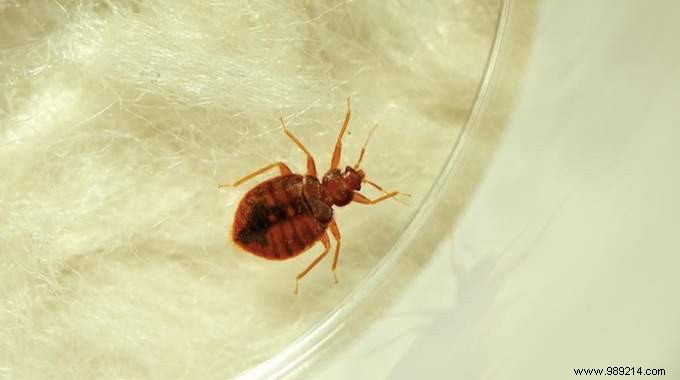
Recent research reveals bed bugs are becoming harder to kill. This is concerning amid a surge in infestations over the past 15 years.
These resilient pests cause intensely itchy bites and are tough to eradicate from homes. The good news? Effective, non-chemical treatments exist.
Here's our expert advice on eliminating bed bugs and preventing them from invading your home. Watch for details:

Prevention through vigilance is key to avoiding bed bug problems. Early detection when numbers are low makes control far easier than dealing with hundreds later.
Follow these steps to check for signs and block entry:
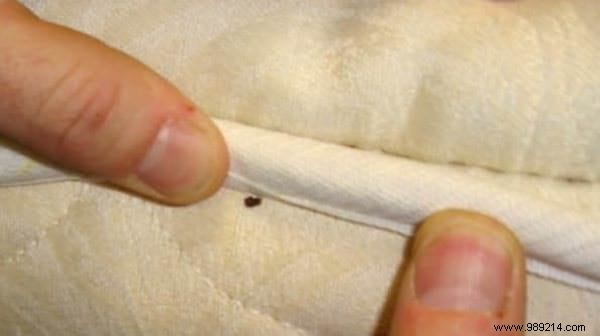
Bed bugs hide in wall cracks, luggage, boxes, and clothing. As human blood feeders active at night, they're most common in beds.
If you suspect an issue or live in an affected building, regularly check bedsheets, mattresses (including underneath), and seams for pests.
Adults are flat, oval, red-brown, apple-seed sized. Look for nymphs, eggs, shed exoskeletons, and dark fecal spots too.
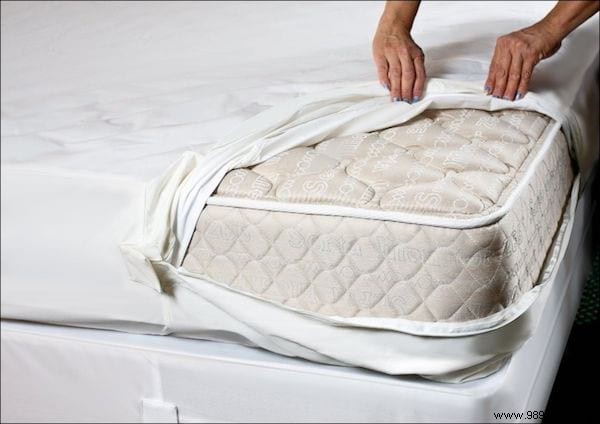
Mattresses are prime hiding spots. Encase your mattress, pillows, and box spring in bed bug-proof protectors to block access.

Hotels are hotspots. On arrival, place luggage in the bathroom and inspect bedding, focusing on spots shown above.
Keep suitcases on racks or hard surfaces.
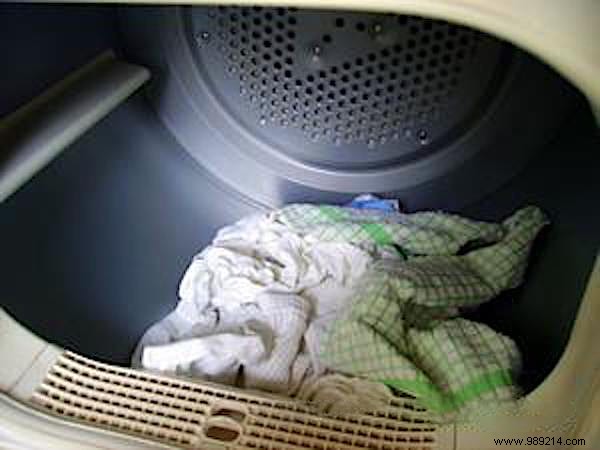
If hotel cleanliness is questionable, take precautions. Ideally, freeze luggage and clothes for 4 days—extreme cold kills bed bugs.
Otherwise, isolate in garage or cellar. Dry clothes on high heat for 30 minutes, and steam clean luggage if possible.
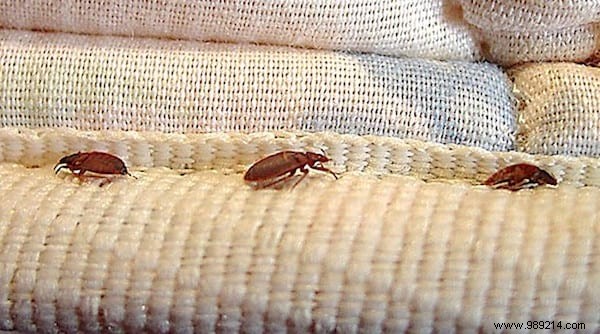
Found bed bugs? Stay calm—here's our proven eradication plan:
Notify your landlord if renting. Vacuum infested areas thoroughly, including carpets and mattresses. Seal and dispose of vacuum contents outside.
Discard irreparable bedding or furniture, marking them "Bed Bugs" to warn others.
Heat above 40°C kills bed bugs. Steam clean carpets, rugs, curtains, closets, and cracks with a quality steamer.
Diatomaceous earth, boric acid, and silica gel dehydrate bed bugs effectively. Apply to cracks with gloves; avoid inhalation or ingestion.
Bed bugs vary in insecticide resistance. Pros identify the right treatment. Get quotes first to avoid surprises.
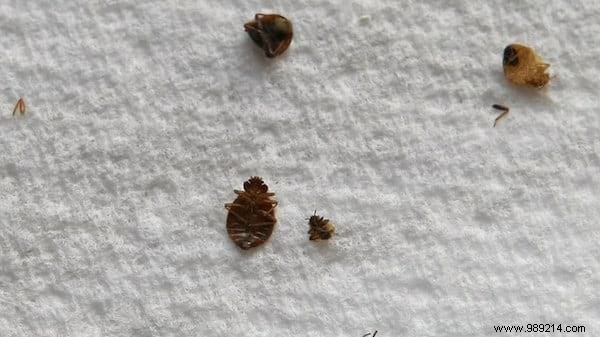
Dr. Gondhalekar's study tested chlorfenapyr and bifenthrin on 10 bed bug populations. While most died, 3 survived chlorfenapyr and 5 bifenthrin—signs of growing resistance.
Pesticides alone won't suffice. Combine methods for reliable control.
