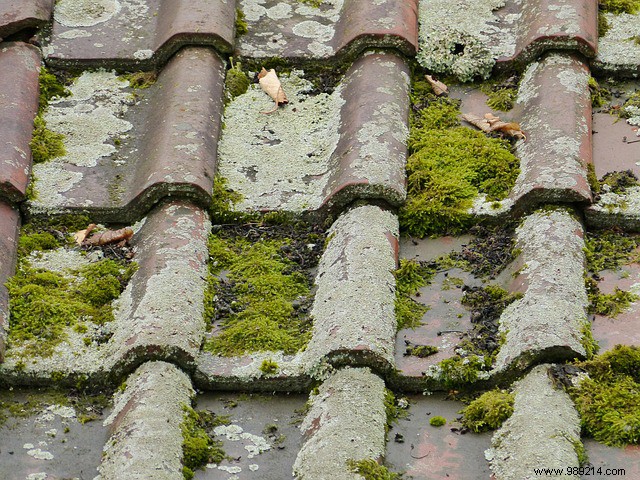
Your roof plays a vital role in protecting your home from extreme temperatures and severe weather conditions. When moss, algae, or lichen take hold, they can weaken its structure and diminish its effectiveness. To safeguard your roof's durability, follow these expert-recommended strategies.
Whether clay tiles, shingles, or slate, no roofing material is immune to moss, lichen, or algae growth. A key factor is your home's orientation—if it's shaded from direct sunlight, it creates an ideal environment for these organisms. You'll often see growth on just one side of the roof due to excess shade and moisture. Nearby trees exacerbate the issue by blocking light and trapping humidity.
Roof pitch is another critical element. Gentler slopes retain moisture longer, promoting moss proliferation. For optimal drying after rain, ensure proper waterproofing and ventilation during installation or maintenance.
Homeowners often rush to DIY solutions upon spotting moss, but some methods can worsen the problem. Skip bleach—while it's a strong disinfectant, it seals roof pores, trapping moisture and accelerating deterioration.
High-pressure washing is equally risky. It can dislodge protective granules from tiles, leading to leaks, and poses serious safety hazards without proper training and equipment.
Start with prevention by applying water-repellent treatments. These sprays or brush-on products create a barrier against infiltration—multiple coats yield the best results. Always check compatibility with your roofing material and consult a supplier or roofer first. For active growth, use anti-moss or algaecide solutions; a 20-liter container typically costs around 20 euros.
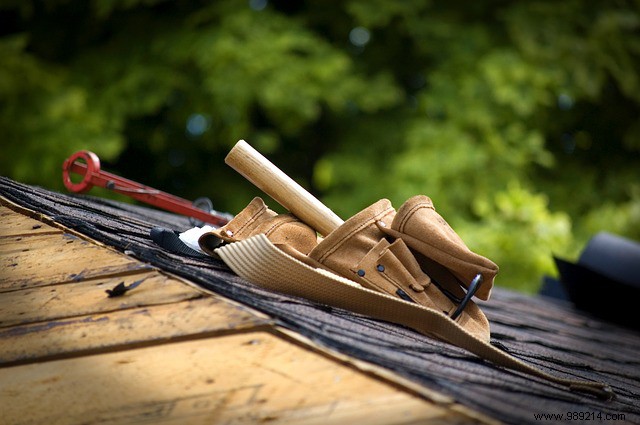
Prioritize safety before climbing onto your roof. Never work alone—have a spotter. Wear non-slip footwear, use a roof-rated ladder, and secure a safety harness. Keep tools in a tool belt, not scattered below. If unsure, hire a professional; many offer free quotes.
Finally, avoid working in rain, snow, or high winds—even light gusts at height can cause falls.
