Creating a garden pond is one of the most effective ways to boost biodiversity while adding a fresh, unique accent to your outdoor space, regardless of size. Aspiring to install one but unsure where to start? As seasoned landscapers, we've outlined the essential guidelines for success.
A serene ornamental feature, a pond complements gardens of any scale. However, adhering to construction regulations is crucial to avoid costly issues. Begin by selecting materials suited to your pond's size and purpose.
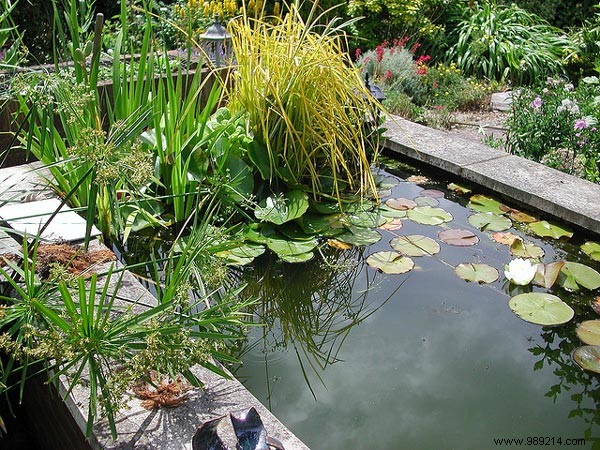
Options include compacted clay ponds (at least 40 cm thick on highly impermeable ground with proper compaction) or concrete basins. Concrete demands professional expertise due to the complexity of shaping and mixing—amateur errors can lead to cracks, requiring expensive full drainage and repairs.
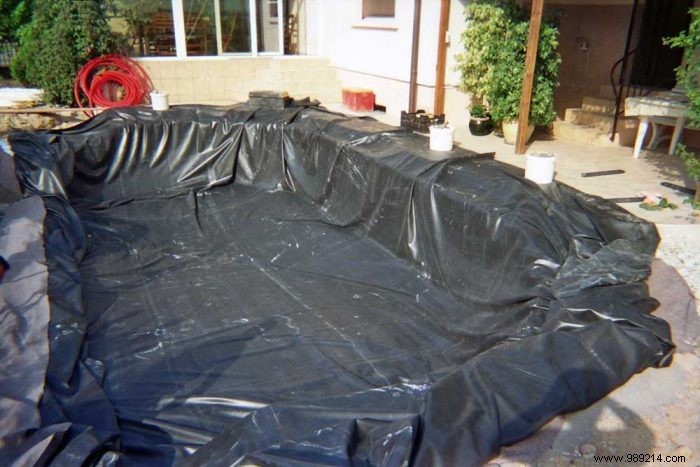
Flexible pond liners in PVC or EPDM are economical, elastic, and adaptable to any shape. Opt for thicknesses of 0.8 mm or more for durability and to prevent sealing failures. Stick to simple designs like ovals, circles, or rectangles for best results.
Position the pond in a visible spot, such as near the terrace or electrical outlets, for easy monitoring of children and evening light effects.
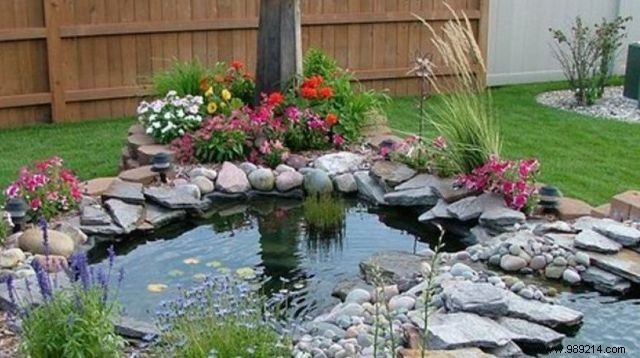
It requires 5 to 6 hours of daily sun, so site it southeast-facing, away from north or south exposures. Avoid trees—falling leaves, conifer needles (which acidify water), and rotting fruit (producing toxic alcohol) harm aquatic life. For shade, plant trees at a safe distance.
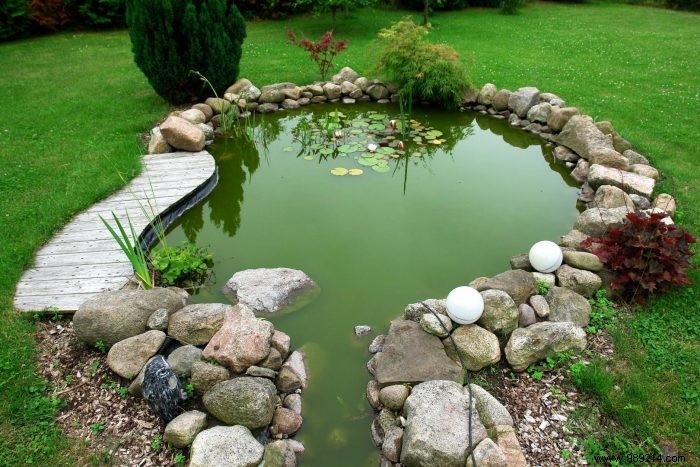
Steer clear of using containers like bowls, which trap pollutants during rain. Also avoid flood-prone areas or high groundwater zones.
Generally, no town hall permit is needed for garden ponds. Still, consult condo bylaws, inform neighbors, and file a works declaration to prevent disputes.
