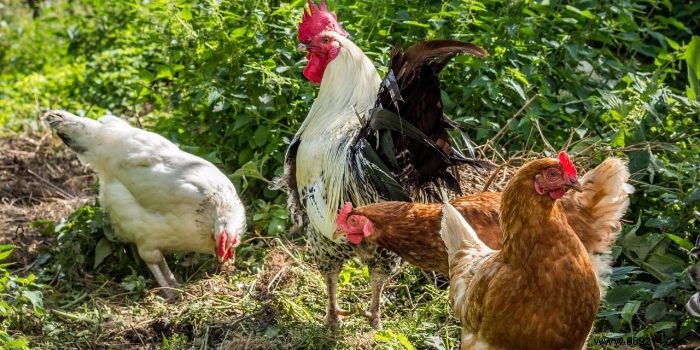
Backyard chickens have surged in popularity, and while I'm not one to chase trends, keeping a small flock is a smart move for fresh eggs and garden pest control. As a professional landscaper who's raised chickens for several years, I've navigated the overwhelming advice online. Here are my battle-tested tips for success.
Incubating eggs sounds exciting, but it's far easier—and less risky—to begin with healthy chicks or adults. Master chicken health and behavior first on 'easy mode' before diving into hatching frustrations. Save egg incubation for later thrills.

Chickens fall into meat or layer breeds. For flexibility, opt for dual-purpose varieties that deliver solid egg production plus good meat yield—if you end up with an extra rooster or a non-layer.
I've seen elaborate coops loaded with gadgets—they're expensive and unnecessary. Chickens thrive in basic setups that shield them from weather and predators. No need for luxury; focus on essentials:
Check out this 'how to make a chicken coop' tutorial for a DIY build using wooden planks.

Chickens are happiest mimicking wild habits. My approach:
