As a poultry enthusiast or backyard farmer, you know red mites can devastate your flock. These tiny blood-feeding parasites weaken chickens, reduce egg production, and can even prove fatal. With years of hands-on experience managing coops, I've compiled reliable methods to detect, treat, and prevent them effectively.
Red mites (Dermanyssus gallinae) are parasitic arachnids smaller than 1mm that thrive in chicken coops. They swell up to 4-5 times their size after feeding. In warm conditions, females lay up to 300 eggs weekly, maturing into adults in just 7 days. By day, they hide in dark crevices; at night, they swarm to feed on roosting hens.
Wild birds are primary carriers, introducing mites via contaminated feed bowls, dust baths, or perches. Once inside, mites quickly colonize cracks, accelerating reproduction if unchecked.
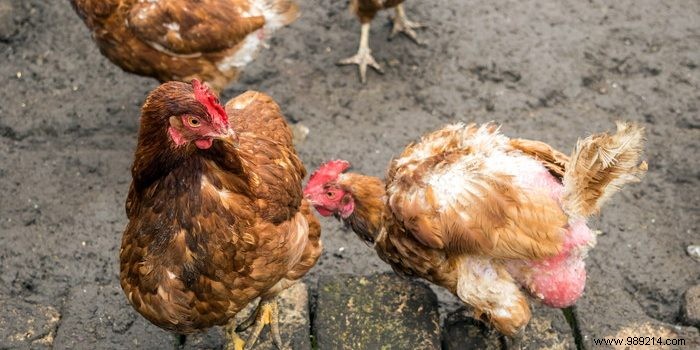
Spotting infestations early is key, especially in less frequently cleaned coops. Watch for lethargic, pale, or feather-plucking hens—a sign of blood loss. Inspect thoroughly: lift bedding, check perches, boards, and corners.
Use this proven test: Place a folded white paper towel on the perch overnight. Red streaks or spots indicate feeding mites. Also scan droppings for blood-tinged ones or gritty, pepper-like residue from mite feces.
Red mites favor humid, dark areas like roost undersides, coop roofs, manure trays, nest boxes, and wooden seams. Night inspections with a flashlight reveal clusters more clearly.
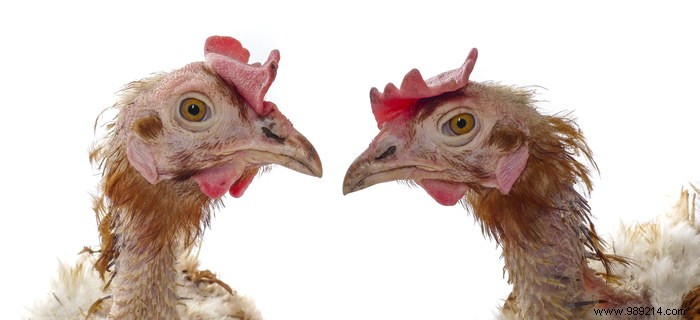
These parasites stress birds through nighttime attacks, leading to anemia from blood loss, exhaustion, and higher mortality in young or weak chickens. Production drops: fewer eggs (especially in spring), with shells showing spots or yolks discoloring. Affected hens often lose feathers around necks and legs.
Combining prevention and targeted treatments yields the best results. Here's what works based on real-world coop management.
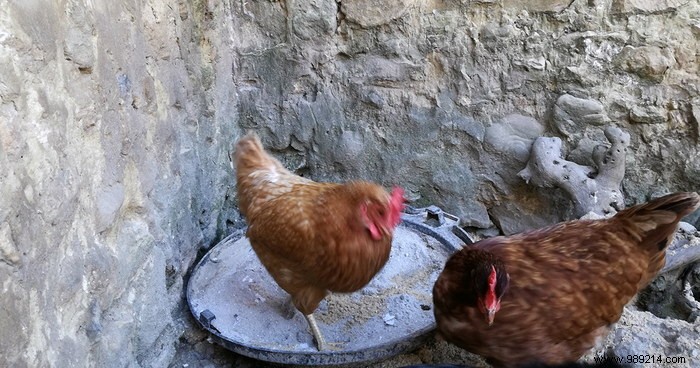
Wood ash repels and dehydrates mites—hens love dust-bathing in it. Diatomaceous earth (DE), a fine abrasive powder, shreds exoskeletons; apply to perches, cracks, and floors (wear a mask). White vinegar sprayed in corners disrupts them. Herbal bedding like fern, lavender, or tansy deters infestation. For stubborn cases, brush cade oil on roosts.
Insecticides, water-dilutable powders, or sprays target mites effectively. Always remove hens temporarily, ventilate well, and follow labels precisely to ensure flock safety.
Cardboard traps lure mites: line coop seams with rough paper for 2-3 days, then burn midday. Specialized perch traps are also available on sites like mes-poules.com.
Androlis are beneficial mites that devour red mite larvae without harming chickens. Release them into the coop to naturally suppress populations—but avoid chemicals, as they kill predators too.
