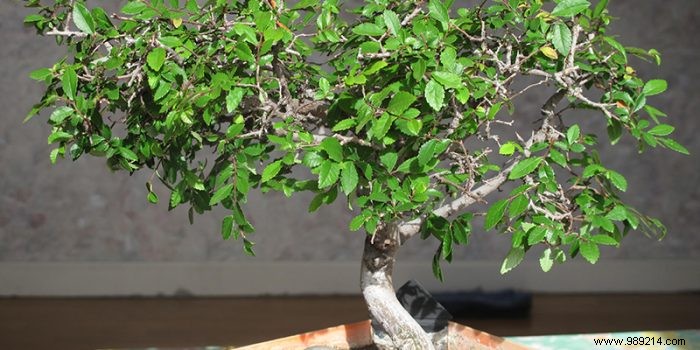
Bonsai trees are remarkable miniature plants that can flourish indoors or outdoors, depending on the species and your local climate. The Chinese Elm stands out as the world's top-selling variety, prized for its exceptional hardiness. With years of hands-on experience nurturing bonsai, here are proven maintenance strategies to help yours thrive for decades.
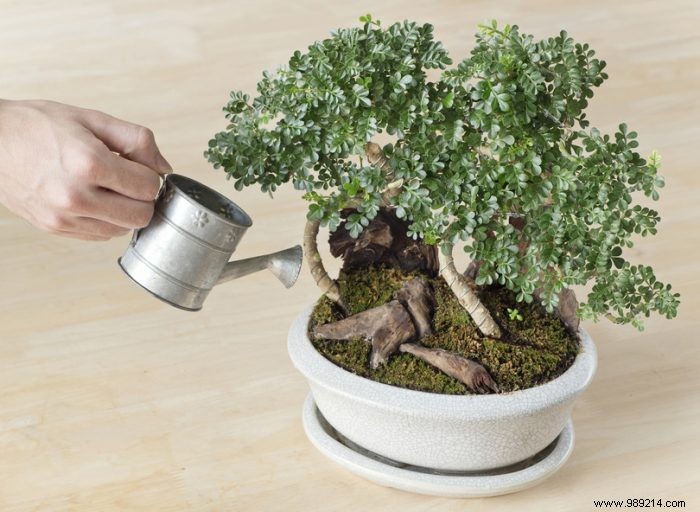
Watering bonsai trees
Proper watering is crucial for bonsai health. Use a watering can with fine holes to deliver deep, even moisture until the soil is fully saturated and water drains from the bottom holes—without pooling in the saucer.
Water twice daily, ideally early morning or late afternoon: the first pass opens soil pores, then pause briefly before the second to ensure thorough hydration. Overwatering risks root rot, so let excess drain freely. Skip leaf sprayers, as they only wet the surface and fail to reach roots effectively.
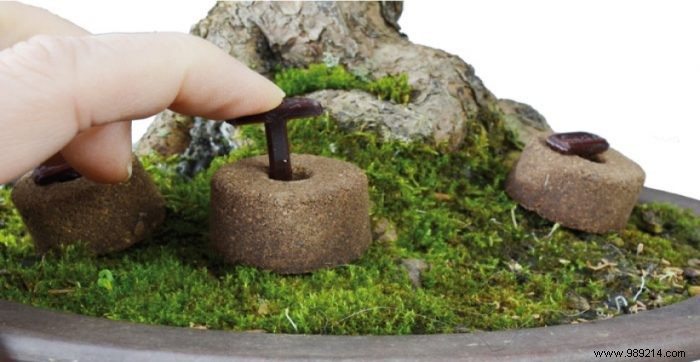
Sumo Fertilizer Test
Bonsai fertilizers differ from standard ones, available as easy-to-dose liquids (follow bottle instructions) or slow-release solids.
Fertilize during active growth periods—spring and late summer—applying small amounts frequently. Avoid hot weather or winter applications, and never wait for yellowing leaves; proactive feeding prevents weakness.
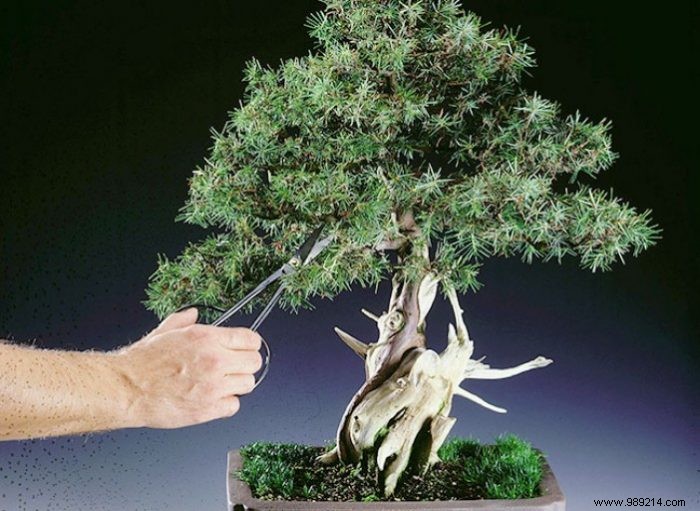
Bonsai pruning
Bonsai embody artistry, shaped by skilled hands to maintain their iconic miniature forms. For best results, consult a professional bonsai specialist.
Pruning removes unwanted or damaged branches to guide growth. Use specialized tools to minimize injury, and apply healing paste to any cuts. Time major pruning for late winter, when the tree is dormant.
