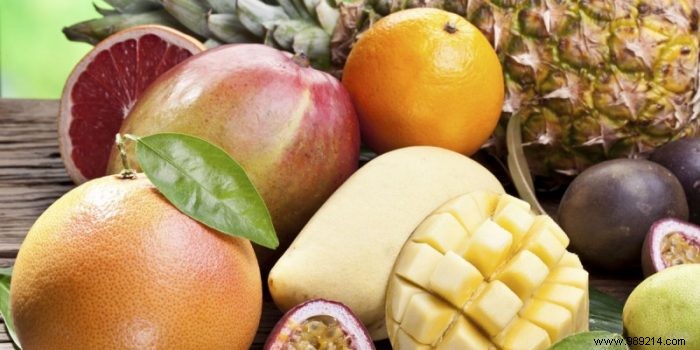
Exotic fruits thrive in tropical climates but can be challenging to grow in temperate regions. Yet, their nutrient-dense profiles and bioactive compounds offer remarkable health advantages. As a seasoned horticulturist, I recommend cultivating at least two of these fruiting plants in your home or garden for fresh, homegrown goodness.
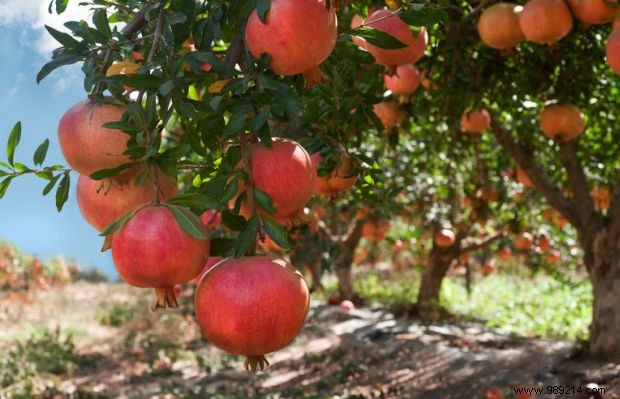
Planting a pomegranate tree is straightforward. Start with seeds from a ripe fruit, sow them in soil, and expect germination within days. In a few months, you'll have a vibrant shrub. Pomegranates are powerhouse antioxidants that combat premature cellular aging, particularly in the brain. Their flavonoids also enhance digestion by reducing flatulence and bloating.
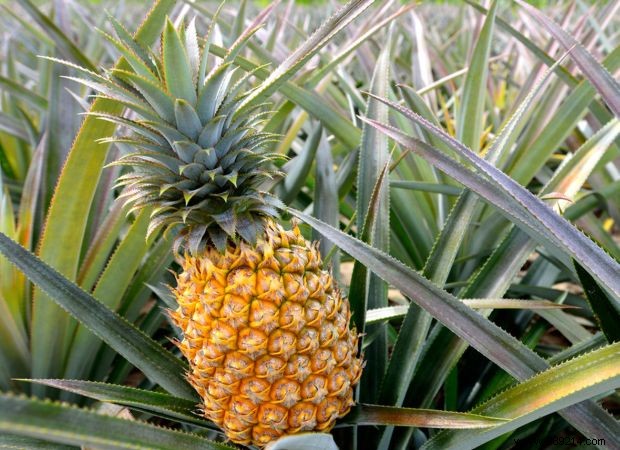
To grow pineapple, preserve the crown from a fresh fruit. Remove the lower leaves, place it in water, and watch roots form in weeks. Transplant to soil for success. Bursting with vitamin C, pineapple energizes the body, aids protein breakdown for better digestion, and bolsters immunity against infections and colds.
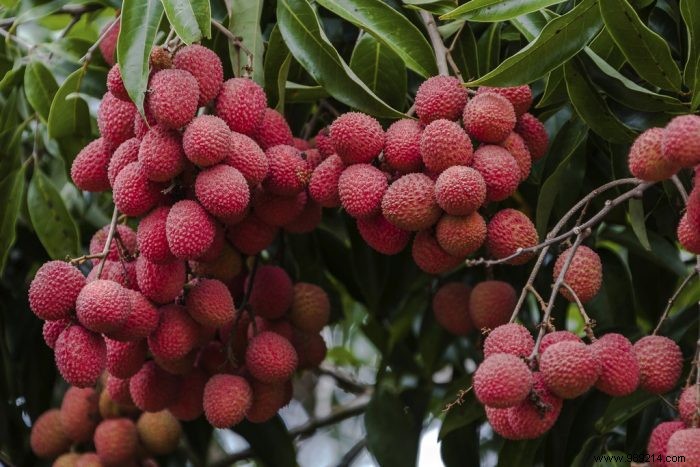
Lychee trees sprout easily from fresh kernels planted in a pot with high humidity. They pause growth in winter but can reach 20 meters over years, yielding abundant fruit. Rich in trace elements, lychees alleviate migraines and bloating while supporting weight loss at just 66 calories per 100g.
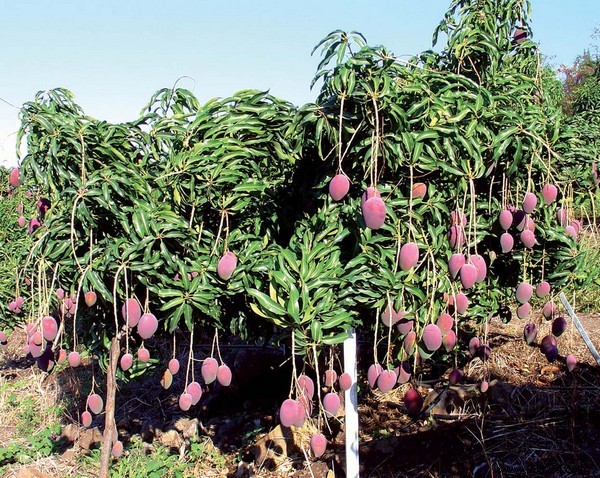
Though native to the tropics, mango trees adapt well worldwide, even in France. Plant a pit a few centimeters deep; buds emerge in days. Maintain moisture and patience—fruits appear after a few years. This resilient tree delivers versatile, delicious results.
