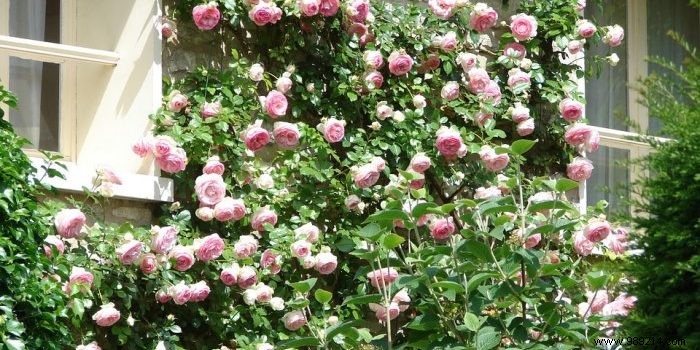
Climbing roses bring breathtaking beauty to gardens, draping walls, pergolas, and trellises in vibrant blooms. With years of horticultural experience, we've seen how these vigorous plants create tropical-like spectacles when properly tended. Here's our comprehensive guide to selecting, planting, and maintaining them.
Climbing roses fall into two main categories: non-remontant and remontant varieties.
Non-remontant roses bloom once per year. Popular choices include 'Albertine', which can reach four meters, and the more compact 'Fritz Nobis' at two meters.
Remontant roses, by contrast, flower multiple times a year. Excellent options are 'Ghislaine de Féligonde' and 'Jaune Desprez'.
Height varies by variety, from a maximum of two meters for smaller types to five or six meters for the largest.
Plant climbing roses from December to February. In ideal conditions, they bloom from May to October—a generous six-month display. These hardy plants tolerate cold well and thrive in clay soils rich in humus.
Despite their name, climbing roses need support for optimal growth. Secure branches to trellises, pergolas, or walls as they develop to cover vertical spaces effectively.
Maintenance is moderate: they demand full sun but rarely need daily watering. The key task is deadheading faded flowers, which promotes reblooming and keeps plants tidy.
Prune non-remontant roses in July and remontant ones in March, after winter, when buds form easily and airy growth prevents diseases.
Ready to add climbing roses to your garden? The André Eve shop offers a stunning selection of old and modern varieties, including a dedicated climbing rose section—perfect for finding your ideal match!
Aphids are the primary pest, potentially reducing blooms but rarely threatening the plant. Introduce ladybug larvae for natural, effective control.
Black spot, a fungal issue from overhead watering, causes leaf spotting. Prevent it by pruning for good airflow and avoiding wet foliage.
