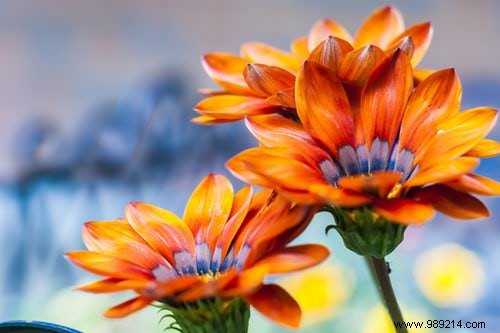
Bignone vines captivate gardeners with their trumpet-shaped flowers in vibrant yellow and orange, ideal for adorning pergolas and facades. As experienced horticulturists know, mastering planting, maintenance, and pruning ensures thriving displays year after year.
Campsis radicans, or Virginia bignone, blooms profusely from July to October. These striking trumpet flowers open in yellow or orange hues.
Species vary, including large-flowered Campsis grandiflora, similar to the classic orange-red Campsis radicans but with bigger blooms.
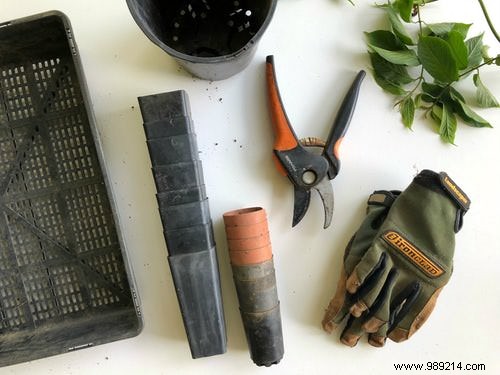
Plant in autumn or spring (March-April). Install supports like arbors, trellises, or pergolas first—bignone's aerial rootlets cling to them for growth. Choose full-sun locations. Explore this site's detailed guide to bignone, the evergreen-foliaged climbing plant.
In harsh regions, plant in spring to avoid winter damage. Select the sunniest spot. Mulch roots or use winter fleece for the first few years. Read our article on pruning bignone properly.
Consistent care yields reliable flowering for years. Prune late winter (February-March): remove dead branches and shorten year's growth. Retain main trunk branches at full length, cutting back to vertical shoots that replace old wood. Keep only promising replacements.
Layering (marcotting) propagates new plants economically: bury a stem section from the base to form roots.
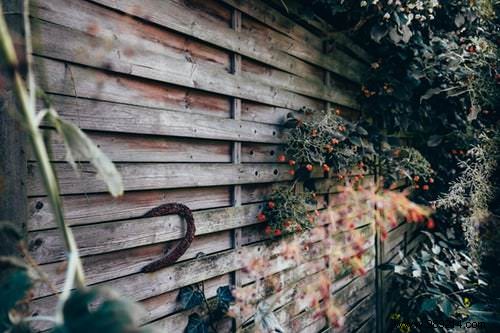
Bignone loves full sun for best blooms—the hotter, the better. Site against south- or west-facing walls, sheltered from severe cold. Partial shade suits mild climates. Keep summer soil cool and winter soil well-drained. Tilt during planting toward desired direction. See our climbing plants article.
For planting, dig a hole with drainage: tile shards and coarse gravel base, topped by potting soil mixed with minimal garden soil.
